
Description
-
Product Overview
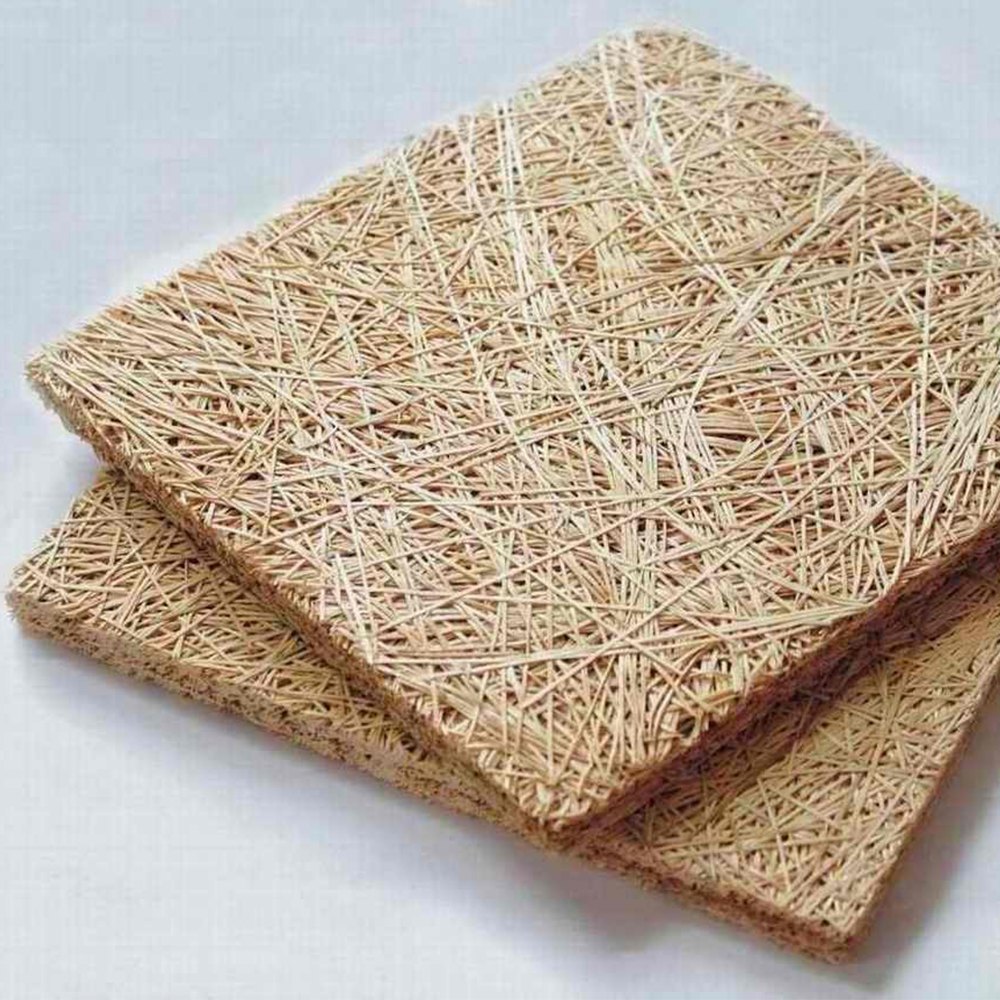
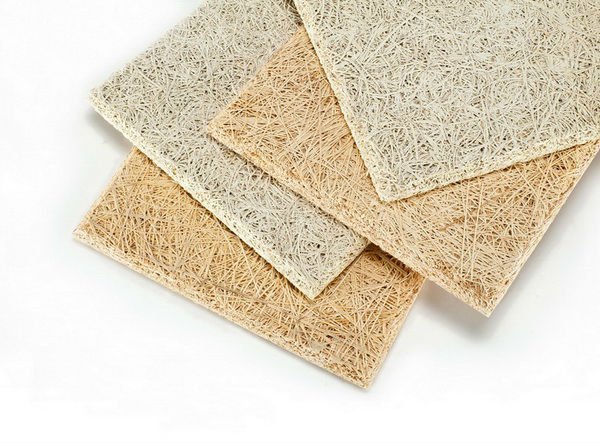
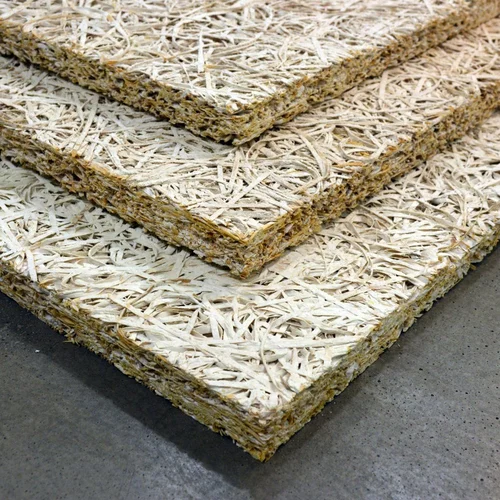
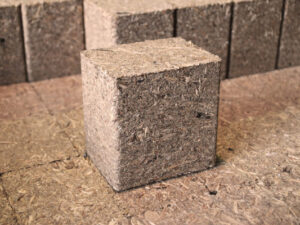
Wood Wool Panels are engineered composite panels made from long, thin wood wool fibers bonded with mineral or cementitious binders into rigid boards. They serve as high-performance acoustic, thermal insulation, and decorative cladding solutions for industrial and commercial construction, prefabrication, and fit-out projects. The panels deliver a combination of sound absorption, fire-resistance, and moisture-regulating properties that reduce system weight and lifecycle costs compared with heavier masonry or synthetic alternatives. Strategically, Wood Wool Panels enable faster build cycles, improved indoor environmental quality, and compliance with evolving fire and sustainability standards—making them a preferred specification item for architects, contractors, and institutional buyers. -
Key Specifications & Technical Characteristics
-
Base material: Long-fiber wood wool (softwood species), mechanically shredded.
-
Binder system: Portland cement or mineral-cement binder (cement-to-wood ratio adjustable per grade).
-
Density range: 350–850 kg/m³ (selectable by product grade).
-
Panel dimensions: Standard widths 600 mm / 625 mm; standard lengths up to 2,800 mm; thickness range 9–50 mm (custom lengths available).
-
Surface finish: Natural exposed wood wool, sanded, painted (primered), or factory-applied decorative coatings.
-
Acoustic performance: Sound absorption coefficients (αw) typically 0.40–0.95 depending on thickness and mounting.
-
Thermal conductivity: Typical λ 0.070–0.120 W/m·K (grade-dependent).
-
Fire classification: Non-combustible binder; achieves Euroclass A2 or B-s1,d0 performance depending on configuration and local testing (project-specific certification recommended).
-
Moisture behaviour: Hygroscopic, vapor-permeable; resists mold growth when installed per guidelines.
-
Mechanical properties: Good dimensional stability, impact resistance proportional to density; compressive strength varies by density and binder ratio.
-
Environmental attributes: High recycled and renewable content, low VOC when factory-cured; available with FSC-certified wood on request.
-
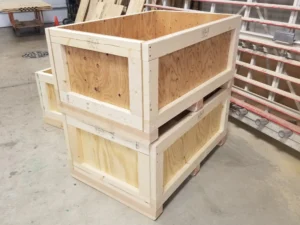
Packaging options: Palletized (plastic-wrapped) or bulk-stacked with edge protection; bespoke packaging for sea/air freight.
-
Shelf life: Stable in palletized form when stored under dry conditions; recommend use within 12 months for painted/finished panels to ensure coating warranty.
-
Core Industrial Applications
-
Commercial and institutional building envelopes: Exterior and interior cladding where fire performance, breathability, and acoustic comfort are critical.
-
Non-residential interiors: Auditoria, schools, hospitals, offices for acoustic ceilings and wall absorbers—delivers high NRC at lower thickness than many mineral wool alternatives.
-
Industrial facility fit-out: Partition walls, plant rooms, and production halls requiring durable, moisture-tolerant panels that balance insulation and sound control.
-
Prefabricated modular construction: Lightweight, factory-finished panels that reduce transport cost and accelerate on-site installation.
-
Renovation and retrofit projects: Compatible with existing substrates for upgrading acoustic performance and thermal regulation without major structural works.
Why it outperforms alternatives: -
Integrated performance: Combines acoustic absorption, thermal regulation, and fire resistance in a single product, reducing the need for multi-layer assemblies.
-
Lifecycle cost advantage: Lower installation labor and faster erection times than heavy masonry or multi-component systems.
-
Environmental and hygrothermal benefits: Breathability reduces condensation risk versus impermeable synthetics, improving indoor air quality and reducing maintenance needs.
-
Competitive Advantages
-
Quality consistency: Factory-controlled production ensures tight tolerance on density, thickness, and acoustic performance; batch QC and certificates available on request.
-
Supply reliability: Industrial-scale production and established raw-wood supply chains support continuous bulk fulfilment and repeat orders.
-
Logistics capability: Pack sizes optimized for container loading; sea, road, and air shipment experience with export documentation and export-grade packaging.
-
Price competitiveness: Cost-efficient raw-material base and simplified installation reduce total installed cost versus multi-material systems.
-
Sustainability: High proportion of renewable wood fiber, potential for FSC certification, and lower embodied energy than many cement-intensive claddings; recyclable at end of life where facility exists.
-
Technical support: Specification guides, test reports (acoustic, fire, thermal), and installation manuals provided; project-specific consultancy available for large contracts.
Positioning: Recommended as a strategic line-item for procurement teams seeking a high-performance, cost-effective panel that simplifies specifications and shortens construction timelines.
-
Commercial & Supply Information
-
Minimum order quantity (MOQ): BULK 20 MT
-
Typical loading capacity: Up to 20–22 MT per 20′ container depending on panel thickness and packaging; up to 24–26 MT per 40′ container stacked and secured (final loading plan confirmed at order).
-
Lead times: Project-dependent; standard production lead 3–6 weeks after order confirmation for bulk volumes (confirm at RFQ).
-
Incoterms and payment: Available on request—FOB, CIF, DAP options supported; payment terms negotiable for established accounts.

Reviews
There are no reviews yet.