
Description
Product Overview
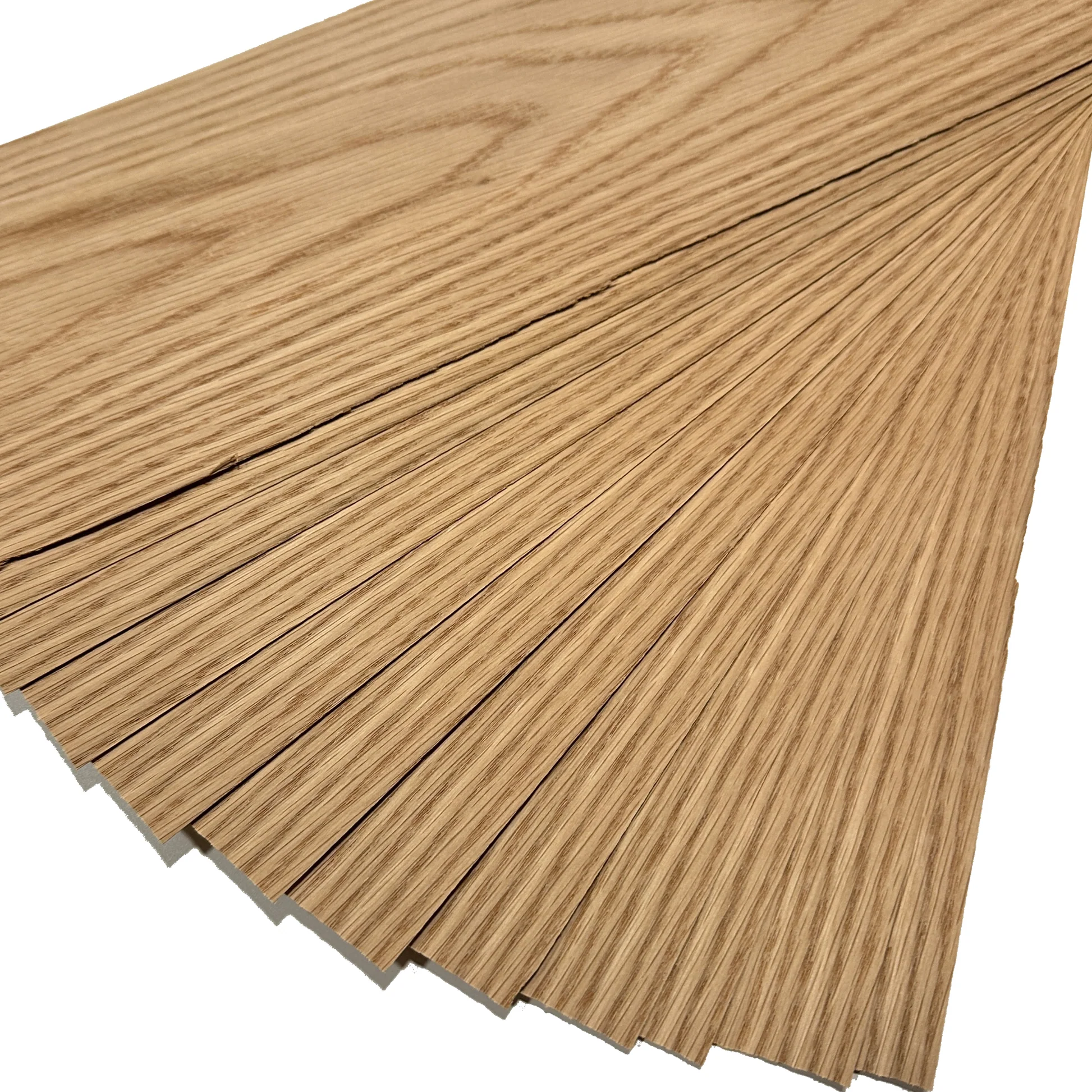
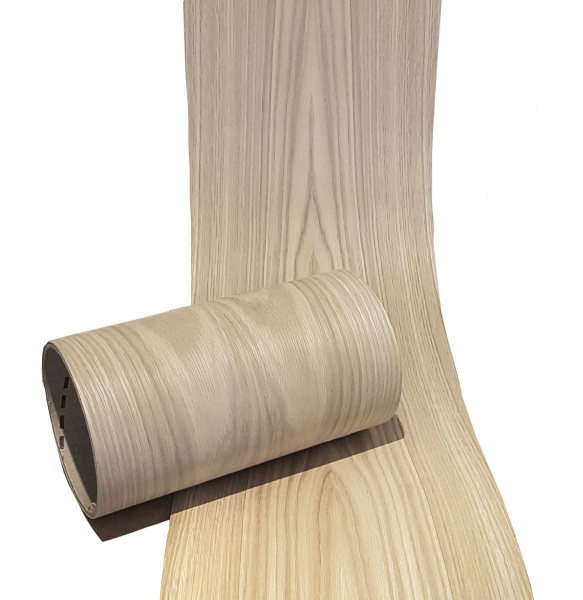
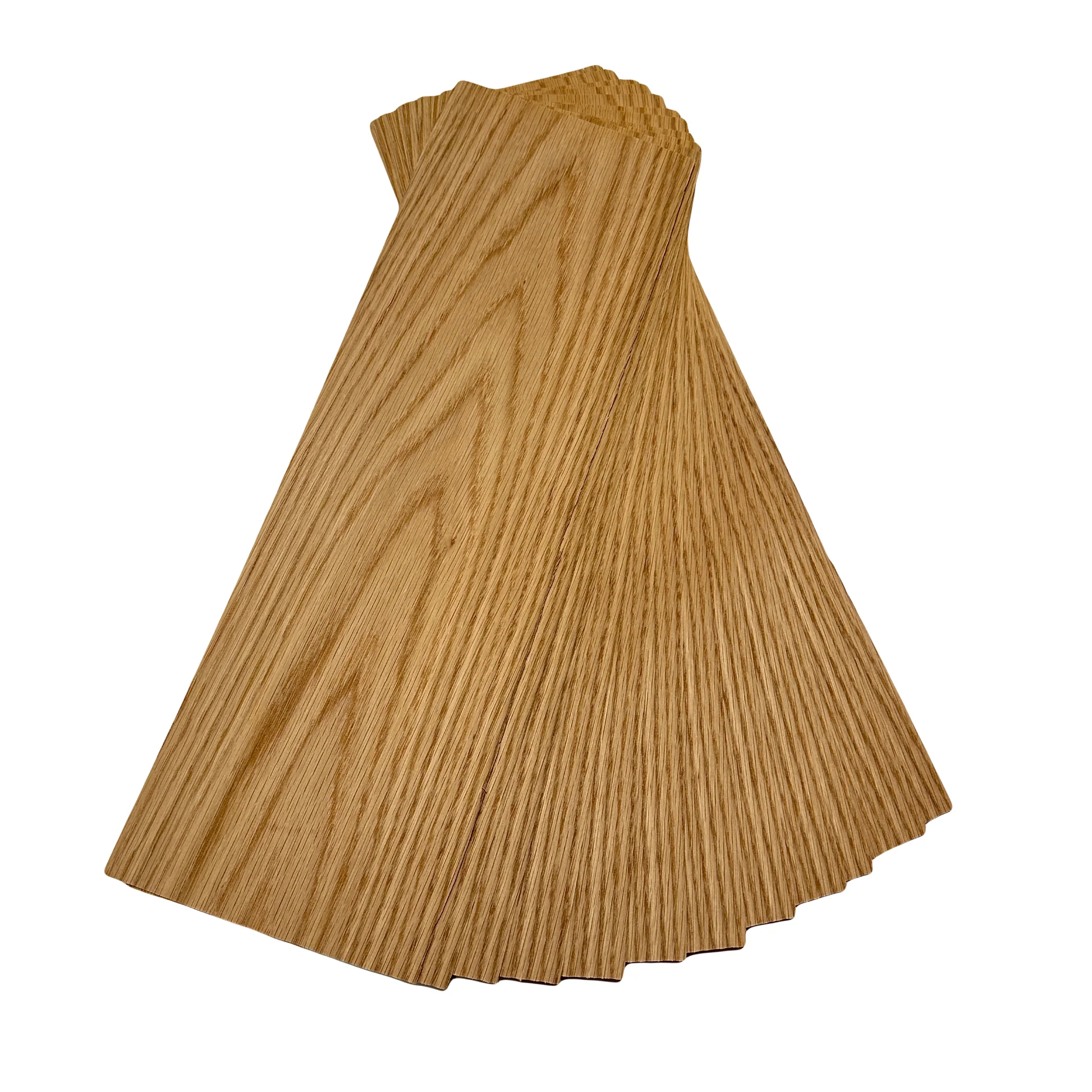
Veneer Sheets Oak are precision-manufactured oak wood veneers supplied as thin, consistent face-layers for industrial wood products. Engineered for use in cabinetry, furniture manufacturing, door skins, architectural panels, and laminated surfaces, these veneers deliver the natural appearance of oak with industrial-grade uniformity. The key value proposition is a high-quality, dimensionally stable oak face that reduces finishing time, minimizes waste, and enables premium aesthetic outcomes at scale. Strategically, Oak veneer sheets bridge the cost-performance gap between solid oak and printed laminates, enabling OEMs and panel manufacturers to offer high-end visuals while optimizing material and production economics.
Key Specifications & Technical Characteristics
-
Material: Natural oak (Quercus spp.) rotary-cut or sliced veneer, kiln-dried.
-
Grade: Industrial-grade (A/B/C options available on request), defect-sorted for consistency.
-
Thickness: Standard 0.6 mm, 0.8 mm, and 1.0 mm; custom thicknesses available by order.
-
Width & Length: Standard widths 600 mm, 900 mm, 1220 mm; lengths 2000–4200 mm; custom panel sizes possible.
-
Surface finish: Raw (unfinished), sanded (120–180 grit), or pre-sealed upon request.
-
Moisture content: Controlled 6%–10% (target 8% ±1%) for lamination compatibility.
-
Color/Appearance: Natural oak grain with options for color-matching, dyeing, or stain pre-treatment.
-
Flatness & tolerances: ±0.5% dimensional tolerance, minimal cupping/warpage via balanced backer options.
-
Backing: Available with paper, phenolic, or matched oak backer for stability.
-
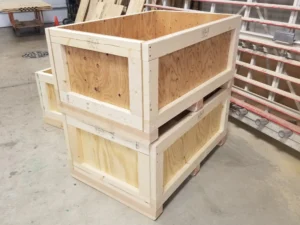
Packaging: Bundles on pallets, wax-paper interleaving, protective edge guards, shrink-wrapped; export-grade crating available.
-
Shelf life: Indefinite if stored in stable indoor conditions (relative humidity 40%–65%); recommended rotation if stored >12 months.
-
Compliance: Supplied with species declarations and FSC/PEFC certification options where required.
-
Traceability: Batch-coded for quality traceability and supply-chain audits.
Core Industrial Applications
-
Furniture manufacturing: Face veneer for high-end casegoods, tables, and seating; delivers authentic oak aesthetics with reduced raw-wood cost and greater substrate flexibility.
-
Architectural panels & doors: Surface layer for MDF/plywood/particleboard panels and door skins; ensures uniform finish and lowers final finishing labor.
-
Interior fit-out & millwork: Veneer application for wall panels, reception desks, and custom joinery where appearance and tactile quality are critical.
-
Engineered flooring and stair components: Decorative overlay on composite cores to provide oak visual with improved dimensional stability.
-
Laminated components for transport interiors: Lightweight decorative surfaces for rail, marine, and automotive interiors meeting weight and finish requirements.
Why it outperforms alternatives: -
Authenticity: Real oak grain and texture that printed foils cannot replicate, increasing perceived product value.
-
Material efficiency: Thin veneer yields more usable surface area per cubic meter than solid oak, reducing cost per face.
-
Finish readiness: Controlled moisture and sanding tolerance accelerate lamination and finishing processes, lowering cycle times.
-
Stability: Backed or balanced layups reduce warping compared with thicker solid faces, improving yield and reducing rework.
Competitive Advantages
-
Quality consistency: Industrial-grade grading and tight moisture control ensure repeatable appearance and reliable processing behavior across batches.
-
Supply reliability: Contracted forestry and milling partnerships with capacity planning to support large, recurring orders and seasonal demand.
-
Logistics capability: Export-ready packaging, palletized shipments, and container-load optimization with 20 ft / 40 ft container planning to minimize transit damage and cost.
-
Price competitiveness: Cost-effective alternative to solid oak, with tiered pricing for volume commitments and long-term supply contracts.
-
Sustainability: Optionally certified (FSC/PEFC) sourcing and traceability to support corporate procurement sustainability targets and compliance.
-
Technical support: Mill and application guidance, veneer matching services, and documentation (spec sheets, grading photos, handling/lamination instructions) to reduce onboarding time and processing errors.
Commercial & Supply Information
-
Minimum order quantity (MOQ): BULK 20 MT.
-
Loading capacity (MT per container):
-
20-foot container: approximately 18–20 MT (depending on palletization and packaging).
-
40-foot container: approximately 22–26 MT (depending on palletization and packaging).
-
-
Lead times: Available upon request and dependent on order size, certification requirements, and shipping destination.
-
Terms: FOB or CIF available; payment and contract terms negotiable for long-term agreements.


Reviews
There are no reviews yet.