
Description
Product Overview
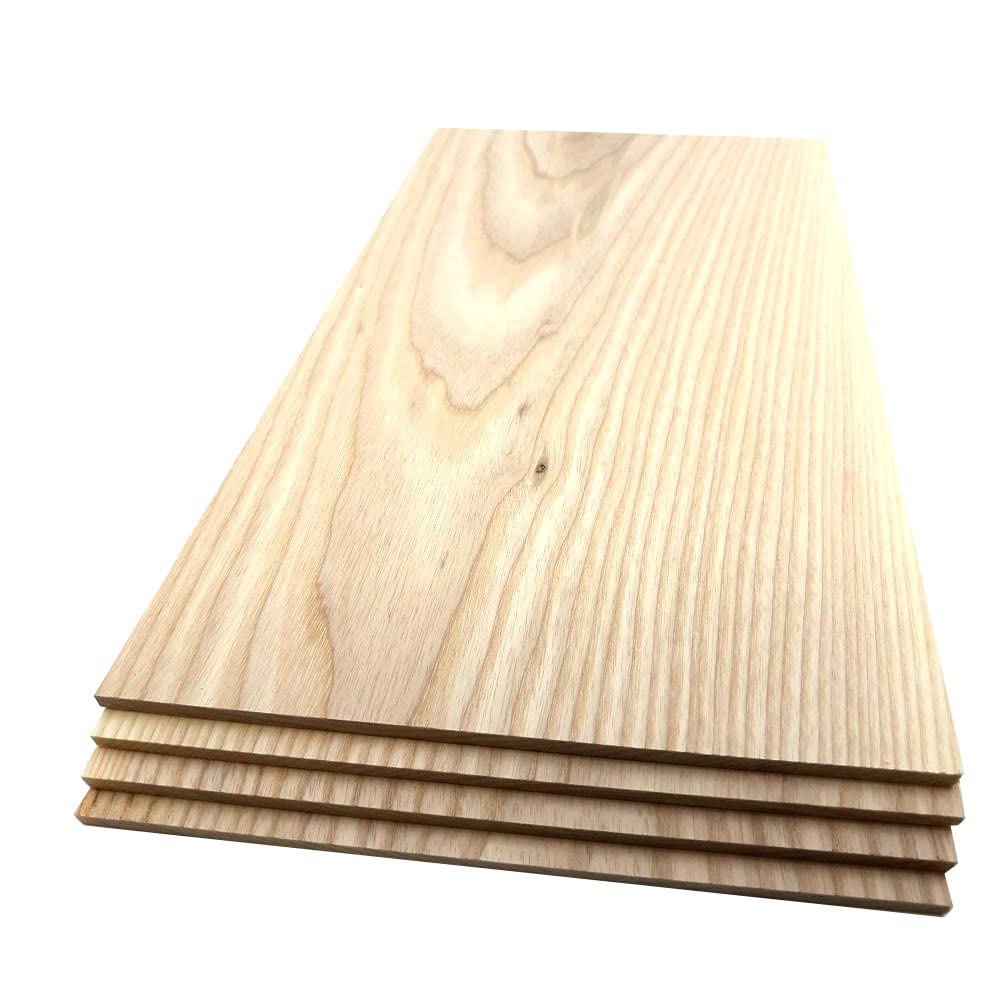
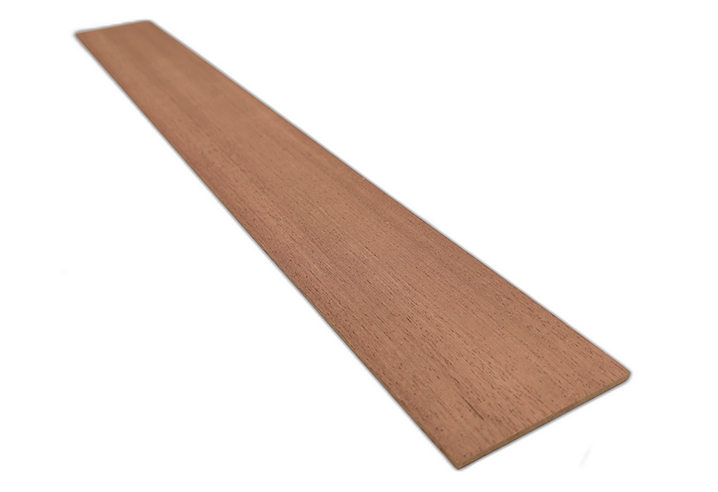
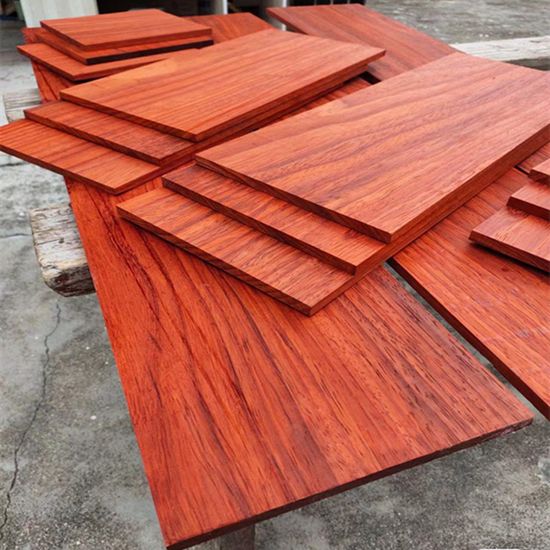
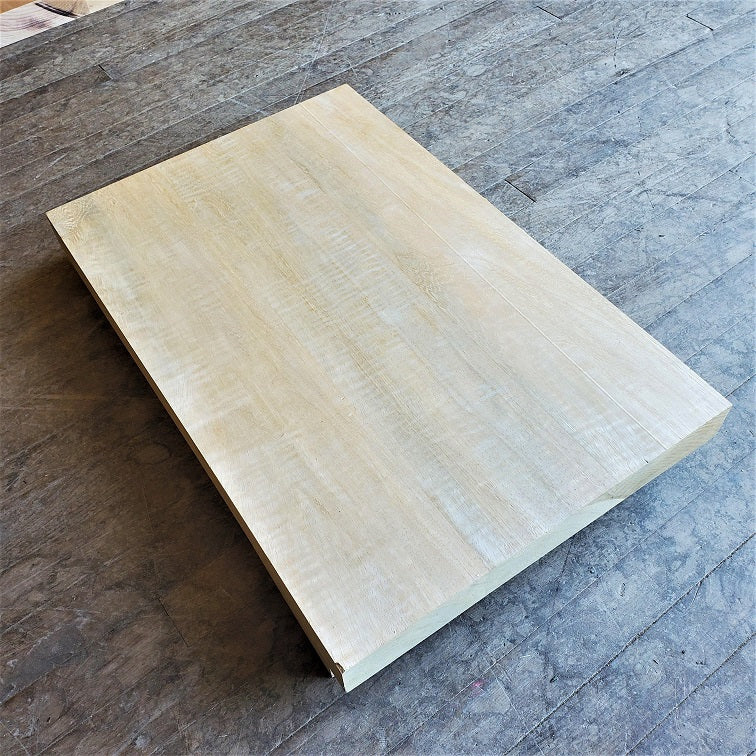
Hardwood Flooring Blanks are precision-cut, kiln-dried hardwood planks produced as unfinished subcomponents for high-volume flooring manufacturers and architectural millworks. Engineered for downstream finishing, profiling, and assembly, they provide consistent dimensional stability, low moisture content, and Grade-A wood quality that reduce processing time and reject rates. The primary value proposition is reliable, high-yield feedstock that lowers production cost-per-square-meter, shortens lead times, and simplifies inventory planning for OEMs and large contractors. Strategically, these blanks enable scalable flooring programs, support product standardization across regions, and de-risk supply chains for manufacturers pursuing cost, quality, and sustainability targets.
Key Specifications & Technical Characteristics
-
Material: Solid hardwood species options (Oak—Quercus spp.; Maple—Acer spp.; Walnut—Juglans spp.; Ash—Fraxinus spp.; and specified exotic species on request).
-
Grading: Commercial Grade A (clear face, select & better), defect limits to industrial tolerances; knot and sapwood percentages per purchase specification.
-
Moisture content: Kiln-dried to 6–8% ±1% (species dependent), humidity-stabilized for temperate transport conditions.
-
Dimensions: Standard blanks available in lengths 900–2400 mm, widths 90–190 mm, thickness 16–22 mm; custom dimensions available by order.
-
Dimensional tolerance: ±0.5 mm thickness, ±1.5 mm width, ±5 mm length (factory-calibrated).
-
Surface condition: Planed ready for profiling; square edges; tolerance for machining straightness ≤0.3 mm per 1 m.
-
Density / specific gravity: Species dependent; Oak ~0.68 g/cm³, Maple ~0.63 g/cm³ (indicative values provided on datasheet).
-
Defect control: Sorting by defect class with traceable lot IDs; visual and mechanical inspection reports included.
-
Packaging: Bulk-palletized crates, shrink-wrapped bundles, or container-stacked dunnage; internal voids braced with timber battens; moisture barrier liners optional.
-
Container load: Optimized stacking to maximize 20–40 ft container payload while protecting edge integrity.
-
Shelf life: Stable when stored indoors under controlled humidity (recommended 40–60% RH); shelf life effectively governed by storage conditions; best practice guidance provided.
-
Certification: Species and origin documentation (CITES where applicable), FSC or PEFC certification available on request; phytosanitary certificates for export shipments.
Core Industrial Applications
-
Flooring production: Primary feedstock for finished hardwood flooring lines—sanded, profiled, glued-down, tongue-and-groove, and engineered lamination processes.
-
Millwork and joinery: Raw material for stair treads, door skins, furniture components, and architectural trim requiring consistent flatness and machining performance.
-
Engineered flooring lamination: Substrate for cross-lamination and veneer bonding where dimensional stability and surface quality affect lamination yield.
-
Contract manufacturing: Suited for large-run OEMs supplying residential and commercial construction projects, multi-family developments, and hospitality fit-outs.
Why this product performs better -
Consistency: Tight dimensional and moisture tolerances reduce downstream machining variation and finish rework, increasing line throughput.
-
Yield: Superior face quality and controlled defect rates improve usable yield per cubic meter versus mixed-grade imports.
-
Cost-efficiency: Reduced on-site conditioning and lower reject rates decrease variable production costs and labor overhead.
-
Compatibility: Pre-sized blanks integrate directly with automated profiling, CNC machining, and finishing lines, lowering changeover time.
Competitive Advantages
-
Quality consistency: Factory-controlled kiln drying and grading deliver repeatable lot-to-lot performance; full inspection records accompany shipments.
-
Supply reliability: Sourced via diversified forestry partners with staggered harvest schedules and secure offtake agreements; contingency inventories maintained for key SKUs.
-
Logistics capability: Pack designs and loading plans optimized for container and break-bulk shipping; export documentation and phytosanitary handling included to minimize customs delays.
-
Price competitiveness: Industrial pricing structured for scale (tiered discounts by volume) and predictable quarterly adjustments tied to raw material indices.
-
Sustainability: Optional FSC/PEFC certified product lines, legally sourced timber declarations, and reduced waste strategy through yield optimization—supporting corporate sustainability reporting.
-
Technical support: Mill-level onboarding support, machining guidelines, storage & conditioning manuals, and sample kits available; product technical data sheets (TDS) and certificate of analysis (COA) supplied per lot.
Commercial & Supply Information
-
Minimum order quantity (MOQ): BULK 20 MT.
-
Loading capacity: Typical loading per container:
-
20 ft container: up to ~18–20 MT (depending on species density and crate configuration)
-
40 ft container: up to ~24–26 MT (optimized stacking and packing)
-
-
Lead times: Standard production lead time 4–8 weeks depending on species and order size; expedited programs available for contract customers.
-
Payment & terms: Trade credit, letter of credit, or agreed invoicing terms for established customers; detailed commercial terms available upon inquiry.
Reviews
There are no reviews yet.