
Description
-
Product Overview
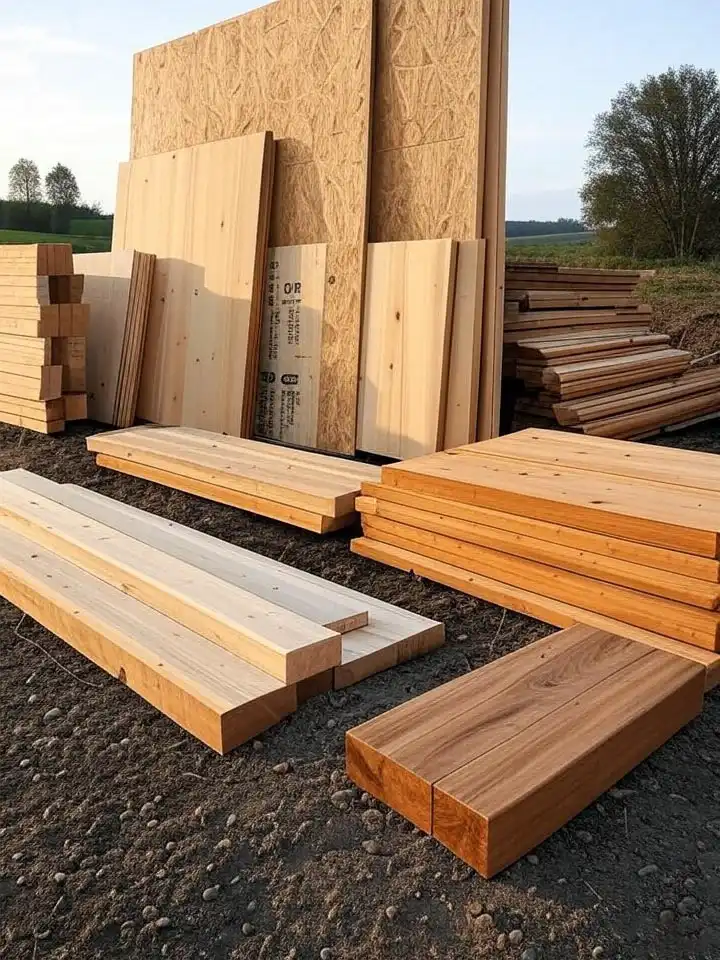
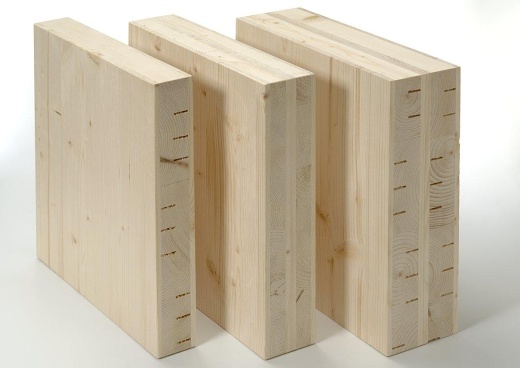
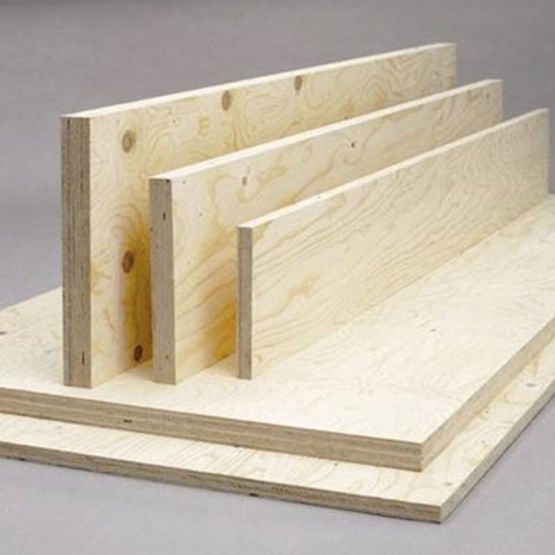
CLT Panels (Cross-Laminated Timber) are engineered wood panels composed of multiple layers of kiln-dried timber boards stacked crosswise and bonded with structural adhesive to create large-format, high-strength panels for structural building applications. They serve as load-bearing floors, walls, and roofs in commercial, industrial, and multi‑story residential construction where speed, dimensional stability, and sustainable credentials matter. The key value proposition is a high strength‑to‑weight ratio with predictable engineered performance, enabling faster on‑site assembly, reduced foundation loads, and lower overall embodied carbon compared with comparable concrete or steel solutions. Strategically, CLT addresses global demand for low‑carbon, prefabricated building systems and provides an accessible route for developers and contractors to meet tightening sustainability and lifecycle‑cost targets.
-
Key Specifications & Technical Characteristics
-
Material composition: Multi‑layer solid wood panels assembled from kiln‑dried softwood species (typical species: Spruce, Pine, Fir), finger‑jointed where required.
-
Adhesive system: Structural, water‑resistant polyurethane (PUR) or melamine‑urea‑formaldehyde (MUF) adhesives compliant with EN and ISO bonding standards.
-
Panel grades: Characteristic bending strengths and shear capacities certified to Eurocode/EN 16351 and available with third‑party verification (CE marking where applicable).
-
Dimensions: Standard panel thicknesses 60 mm–320 mm (custom thicknesses available); widths up to 3,000 mm, lengths up to 18,000 mm (project dependent).
-
Layer configuration: Typical 3, 5, 7, or 9‑ply cross lamination; outer layers oriented parallel to primary load axis.
-
Density: Typical panel density 420–520 kg/m³ (species dependent).
-
Moisture content: Kiln‑dried to equilibrium moisture content 8%–12% at time of manufacture.
-
Fire performance: Reaction to fire classifications and design fire resistance values available via protective design, encapsulation, or treatment; intumescent coatings or gypsum encapsulation options for rated assemblies.
-
Acoustic and thermal: Standard thermal conductivity and acoustic transmission characteristics suitable for residential and commercial envelopes; can be combined with insulating layers for improved U‑values.
-
Surface finish: Raw, sanded, or factory‑applied protective coatings (primer, lacquer, fire retardant, or anti‑fungal treatments) per project requirements.
-
Tolerances: Mill tolerances to industry standards for flatness, thickness, and squareness to support precision prefabrication.
-
Packaging: Palletized with geotextile/waterproof wrapping; corner protection and shipment bracing; bespoke packing for container or RoRo export.
-
Shelf life / storage: Stable when stored dry and ventilated; recommended covered storage with moisture protection; no fixed chemical shelf‑life but avoid prolonged exposure to weather prior to installation.
-
Core Industrial Applications
-
Mid‑rise and high‑rise buildings: Load‑bearing walls, floors, and roof systems for multi‑storey timber and hybrid structures, delivering reduced construction time compared with cast in situ solutions.
-
Offsite prefabrication and modular construction: Large‑format panels accelerate factory production, reduce onsite labor, and simplify logistics for volumetric or panelized systems.
-
Commercial fit‑outs and industrial facilities: Open‑plan floors and vertical cores with high dimensional stability and predictable deflection properties for equipment loads and service integration.
-
Infrastructure and public buildings: Schools, hospitals, and civic buildings where low embodied carbon and occupant comfort (thermal and acoustic) are priorities.
-
Retrofit and seismic applications: Lightweight panels reduce added mass on existing foundations and, when engineered appropriately, provide good dynamic performance in seismic zones.
Why it outperforms alternatives: CLT offers a superior strength‑to‑weight ratio versus comparable mass concrete slabs, enabling lighter foundations and faster erection. Prefabrication reduces on‑site waste and labor costs, and the predictable engineered properties and quality control lower rework and schedule risk compared with stick framing. For sustainability‑driven procurement, CLT achieves significantly lower embodied carbon per m² versus concrete and steel solutions.
-
Competitive Advantages
-
Quality consistency: Factory production under controlled conditions with dimensional precision, certified mechanical properties, and third‑party testing available.
-
Supply reliability: Scalable production capability supported by multiple sourcing lines and rotational inventory planning to meet large project timelines and repeat orders.
-
Logistics capability: Export packing, container loading plans (including breakbulk and RoRo options), and project logistics planning to minimize damage and enable JIT delivery to site.
-
Price competitiveness: Cost advantages realized through volumetric manufacture, reduced onsite labor, and lower foundation and structural system costs across the project lifecycle. Bulk pricing and long‑term contract terms available for major projects.
-
Sustainability: Lower embodied carbon intensity, renewable material sourcing from certified sustainably managed forests (FSC/PEFC options), and opportunities for carbon accounting in client lifecycle assessments.
-
Technical support: Comprehensive design packages, CAD/BIM files, engineering calculations for structural and fire performance, erection sequencing guidance, and on‑demand engineering consultation to integrate CLT into hybrid structural systems.
-
Commercial & Supply Information
-
Minimum order quantity (MOQ): BULK 20 MT.
-
Loading capacity: Typical loading capacity per standard 40′ HC container up to approximately 22–24 MT (deck area and panel geometry dependent); flat‑rack and breakbulk options for oversized panels, with adjusted MT per container based on packing configuration and protective blocking.


Reviews
There are no reviews yet.