
Description
-
Product Overview
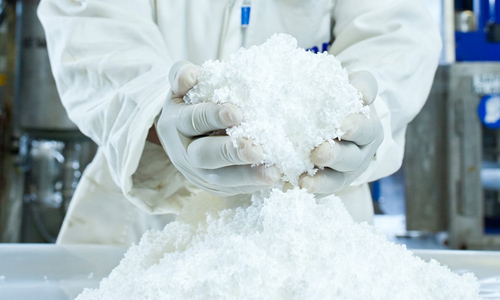
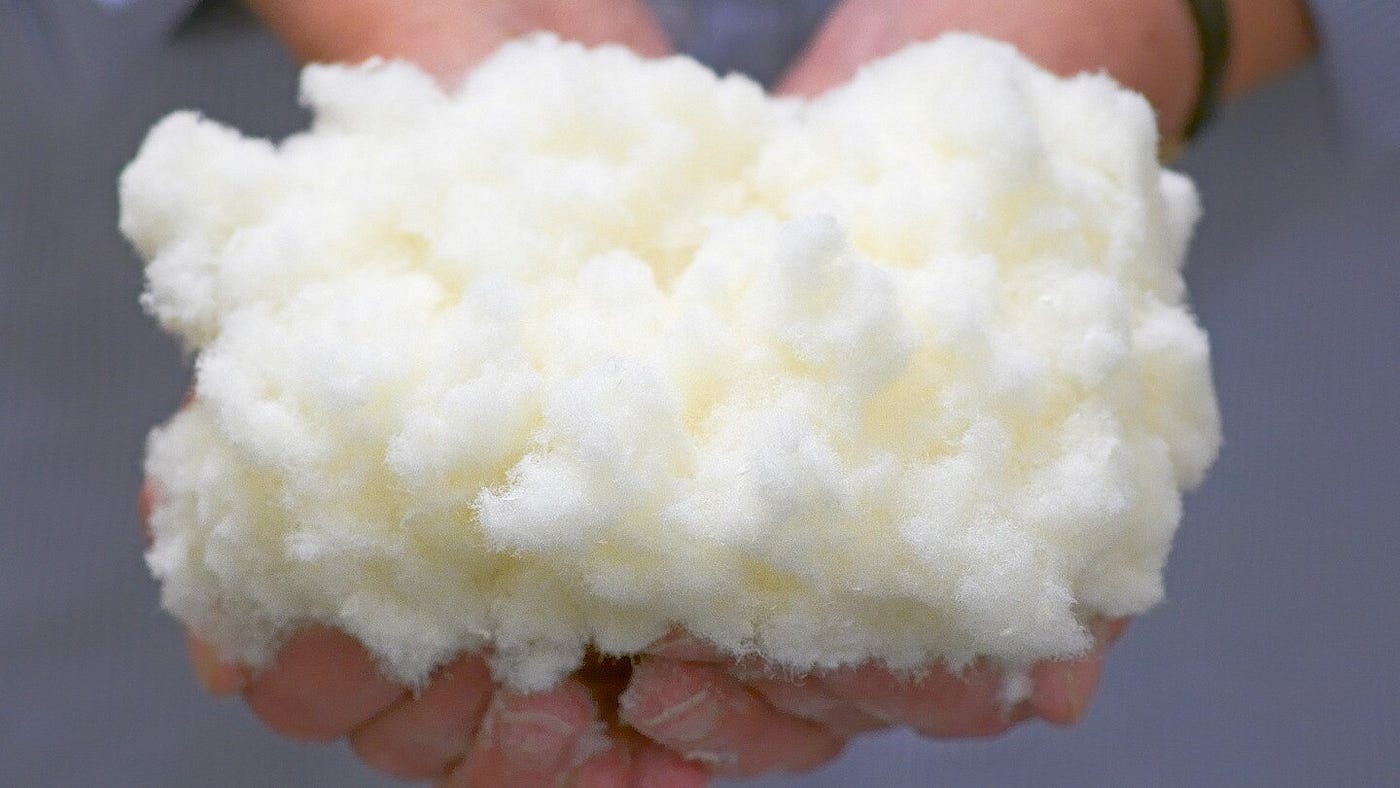
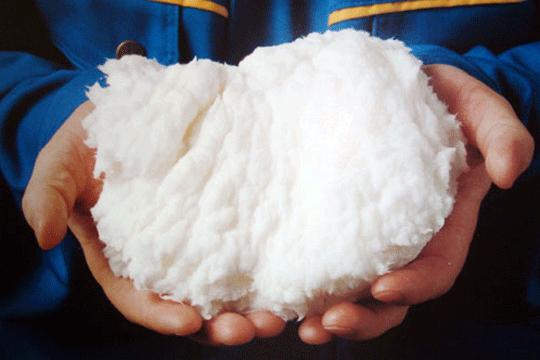
Dissolving Pulp is a high-purity, cellulose-rich kraft or sulfite pulp specially manufactured for conversion into regenerated cellulose products and high-value chemical derivatives. It is primarily used as the feedstock for viscose, lyocell, cellulose acetate, nitrocellulose, and other cellulose-based fibres and specialty chemicals. The product delivers exceptional reactivity and low hemicellulose content—enabling higher yield, consistent processing, and superior end-product quality—making it strategically important for textile, film, membrane, and chemical manufacturers seeking predictable performance at commercial scale. Tone: confident, professional, and credible.
-
Key Specifications & Technical Characteristics
-
Raw material basis: Bleached kraft or sulfite cellulose derived from wood pulp (hardwood, softwood, or blended), processed to dissolving-pulp specifications.
-
Alpha-cellulose content: Typically ≥ 92–98% (grade-dependent).
-
Hemicellulose (xylose + other sugars): Typically ≤ 3–8% (low hemicellulose for high-reactivity grades).
-
Degree of polymerization (DP): Customizable range; common commercial ranges DP 300–1200, specified per customer requirement.
-
Brightness (ISO): 82–92% (typical; customizable with optical brighteners removed on request).
-
Residual lignin (Kappa number): ≤ 0.5–2.0 (low for high-purity applications).
-
Ash content: ≤ 0.1–0.5% (controlled for chemical process compatibility).
-
Moisture content: 5–8% (standard), adjusted packaging on request.
-
Physical form: Sheet/bale or fluffed roll form; also available as powdered or milled grades on request.
-
Bulk density: Bale density typically 150–350 kg/m³ (varies by compression); bulk (fluffed) density lower.
-
Particle/fiber length: Controlled fiber length distribution by grade; long-fiber for viscose strength, short-fiber options for speciality derivatives.
-
Chemical residuals: Low extractives; sodium/chloride levels controlled per specification.
-
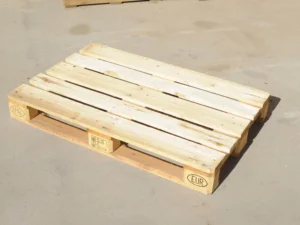
Packaging options: Industrial bales (poly-wrapped), jumbo bags (FIBC) for milled/powder grades, palletised boxes for smaller formats, and bulk pneumatic tanker loading for powders (as applicable).
-
Shelf life/storage: Stable under dry, ventilated conditions; typical storage life 12–24 months if kept dry and protected from contamination.
-
Customization: Modified DP, brightness, and hemicellulose levels available under contract to meet process requirements.
-
Core Industrial Applications
-
Regenerated Cellulose Fibres (Viscose, Lyocell, Modal): Used as the primary cellulose feedstock; provides predictable dissolution, uniform filament formation, higher tenacity, and reduced defects versus lower-grade pulps.
-
Cellulose Acetate & Derivatives: Feedstock for solvent-based acetylation producing high-grade acetate for film, cigarette filters, and specialty plastics; high alpha-cellulose and low ash improve reaction efficiency and product clarity.
-
Nitrocellulose & Pyrotechnics: High-purity dissolving pulp reduces impurity-driven variability in substitution reactions and ensures safer, more consistent nitration.
-
Chemical Intermediates & Carbohydrate Derivatives: Base for hydrolysis or derivatization to produce glucose, cellulose ethers, esters, and specialty surfactants; low hemicellulose ensures higher conversion yields.
-
Membrane & Filter Media Manufacturing: Source cellulose for cast membranes and high-performance filter papers; delivers structural uniformity and chemical compatibility.
Why it performs better: -
Higher alpha-cellulose and low hemicellulose reduce side reactions, increase yield, and lower chemical consumption.
-
Controlled DP and fiber length enable tighter process control (viscosity, spinning stability) and improved end-product mechanical properties.
-
Low ash and extractives minimize downstream fouling and catalyst poisoning—reducing maintenance and operating costs.
-
Competitive Advantages
-
Quality consistency: Tight process controls and in-line QA deliver repeatable alpha-cellulose, DP, and brightness metrics critical for industrial scale-up.
-
Supply reliability: Multi-sourced wood supply and secured production capacity reduce single-point failure risk; forward stocking and contract manufacturing available for long-term offtake.
-
Logistics capability: Export-ready packaging, container stuffing expertise, and partnerships for sea/rail/road transport ensure timely delivery to major industrial ports worldwide.
-
Price competitiveness: Economies of scale in production and optimized fibre sourcing offer market-competitive pricing while maintaining specification tightness.
-
Sustainability credentials: Wood sourced from certified or sustainably managed forests (FSC/PEFC options available), chemical recovery systems in mill operations, and waste minimization practices reduce lifecycle impacts.
-
Technical support: Comprehensive technical documentation (spec sheets, safety data sheets, application notes), lab sampling support, and process optimisation services available to industrial buyers.
Positioning: Sourcing this dissolving pulp is a strategic procurement decision that reduces process variability, improves yields, and lowers total cost of ownership across fibre and chemical manufacturing value chains.
-
Commercial & Supply Information
-
Minimum order quantity (MOQ): BULK 20 MT.
-
Typical container and loading guidance: 1 x 20’ container bulk-stuffed (compressed bales) ≈ 18–22 MT depending on bale compression and packaging; 1 x 40’ container bulk-stuffed ≈ 24–26 MT; FIBC/jumbo bag loading varies by bag size (commonly 1–1.2 MT per bag).
-
Loading capacity (MT per container): Recommend planning on 20–24 MT per 20’/40’ configuration depending on bale compression and packaging type; confirm per order.
-
Lead times: Subject to production schedule; typical lead time 4–8 weeks for standard grades, expedited options available under contract.
-
Payment & logistics terms: FOB, CIF, or DAP available; flexible contract terms for long-term supply agreements and just-in-time delivery.
-
Samples & qualification: Small quantity samples for lab qualification available; technical assistance provided for pilot trials and scale-up.


Reviews
There are no reviews yet.