
Description
Product Overview
Kraft Pulp is a high-strength, chemical cellulose pulp produced via the kraft (sulfate) process. Engineered for industrial-scale applications, it serves as a primary raw material in paper & board manufacturing, specialty cellulose derivatives, and engineered fiber composites. The product delivers consistently high tensile strength, controllable fiber length distribution, and excellent bonding properties—enabling improved paper formation, tear resistance, and process efficiencies. Strategically, kraft pulp is a foundational input across packaging, tissue, and technical cellulose markets, making it a critical procurement item for manufacturers seeking performance, cost predictability, and scale.
Key Specifications & Technical Characteristics
-
Chemical composition: Predominantly alpha-cellulose (cellulose polymers), residual lignin and hemicellulose in trace amounts depending on bleaching stage. Sodium-based kraft chemical residues typically negligible after washing.
-
Grade options: Unbleached kraft pulp, Bleached kraft pulp (elemental chlorine-free, ECF), and Totally Chlorine Free (TCF) available on request.
-
Alpha-cellulose content: Typical range 85–92% (grade-dependent).
-
Viscosity/degree of polymerization: Specified per lot; typical intrinsic viscosity correlates to high-strength fiber suitable for packaging grades.
-
Moisture content: Standard range 7–10% (adjustable to buyer spec for shipping/processing).
-
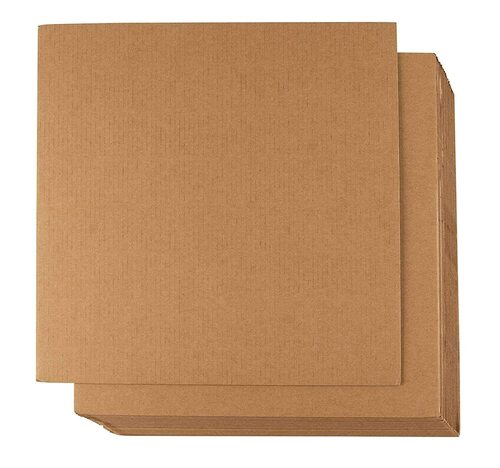
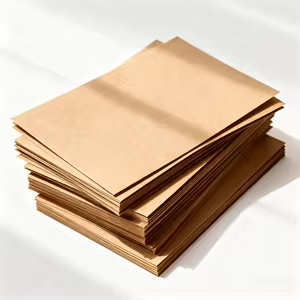
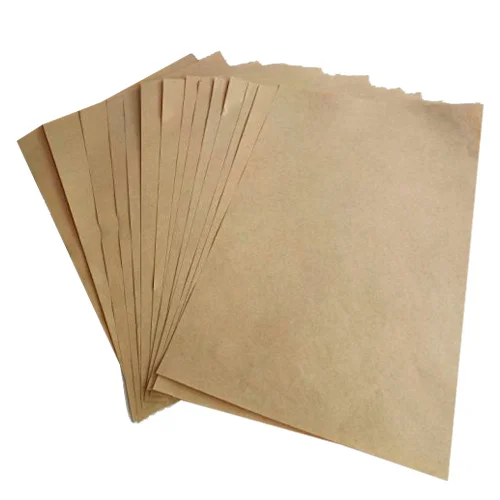
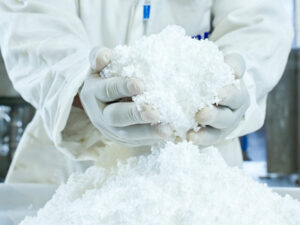
Physical form: Sheeted or bale form; uniform fluffed bales for fiber consistency.
-
Fiber length distribution: Customizable (short, medium, long fiber fractions) to match end-use (tissue vs. packaging vs. specialty).
-
Bulk density (baled): Typically 150–220 kg/m3 (compaction and packaging dependent).
-
Ash content: Low; specified on certificate of analysis.
-
Residual chemical content: Sulfate and sodium residuals minimized through washing; values provided per batch.
-
Packaging options: Industrial bales strapped and wrapped (standard), heat-shrink wrapping for moisture protection, or jumbo bags/palletized loads on customer request.
-
Shelf life: Stable under dry, ventilated storage; recommended consumption within 12–24 months to maintain optimal processing characteristics.
-
Quality control: Supplied with certificate of analysis (COA), mill test reports, and fiber morphology data on request.
Core Industrial Applications
-
Paper & Board Manufacturing: Primary raw material for containerboard, linerboard, corrugating medium, and specialty packaging papers where high tensile, burst, and tear strengths are critical. Optimizes runnability, reduces breaks, and permits lower furnish cost through strength substitution.
-
Tissue & Hygiene Products: Bleached kraft grades provide bulk and structural integrity for towel and tissue products when blended for strength and absorbency balance.
-
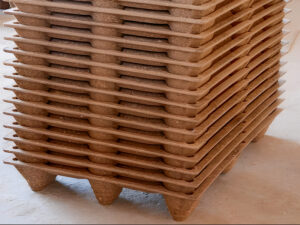
Composite Materials & Technical Cellulose: Used as reinforcement fibers in molded fiber products, cellulose derivatives, and nonwoven substrates requiring consistent fiber morphology and bonding.
-
Chemical Derivatives & Viscose Production: Feedstock for cellulose derivatives (CMC, cellulose acetate) and viscose where high alpha-cellulose and low ash improve chemical conversion yields.
-
Specialty Industrial Uses: Filtration media, impregnated papers, and electrical insulation papers that demand dimensional stability and thermal performance.
Why it outperforms alternatives: -
Strength-to-weight advantages enable lower furnish usage versus lower-grade pulps.
-
Predictable fiber morphology reduces process variability and machine downtime.
-
Customizable bleaching and fiber length options allow tailoring to precise end-use, improving product yields and lowering total cost of production.
Competitive Advantages
-
Quality consistency: Mill-grade process controls and batch-level COAs ensure narrow performance variability across deliveries.
-
Supply reliability: Established production capacity with volume allocation and scheduling suited for long-term contracts and recurring procurement.
-
Logistics capability: Export-ready packaging, container load planning, and partnerships with major freight forwarders to support on-time global delivery.
-
Price competitiveness: Economies of scale and optimized chemical recovery in kraft process support competitive landed costs for bulk buyers.
-
Sustainability benefits: Efficient chemical recovery loop reduces emissions and energy use; availability of ECF and TCF bleaching options and certifications (available upon request) to support buyer ESG targets.
-
Technical support: Dedicated technical service for furnish optimization, grade selection, and trial support; provision of processing guides, MSDS, and full technical documentation.
Commercial & Supply Information
-
Minimum order quantity (MOQ): BULK 20 MT.
-
Loading capacity (MT per container):
-
20-foot container: approximately 18–22 MT (baled, typical packing dependent).
-
40-foot container: approximately 26–28 MT (baled, typical packing dependent).
-
40-foot high-cube / 45-foot: optimized loads up to 30–32 MT where logistics and packaging permit.
-
-
Delivery terms: FOB or CIF available; lead times and scheduling by contract.
-
Documentation: COA, commercial invoice, packing list, bill of lading, MSDS, and technical datasheets provided per shipment.
Reviews
There are no reviews yet.