
Description
-
Product Overview
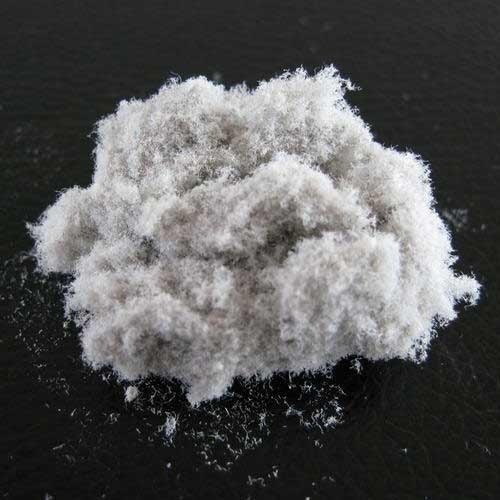
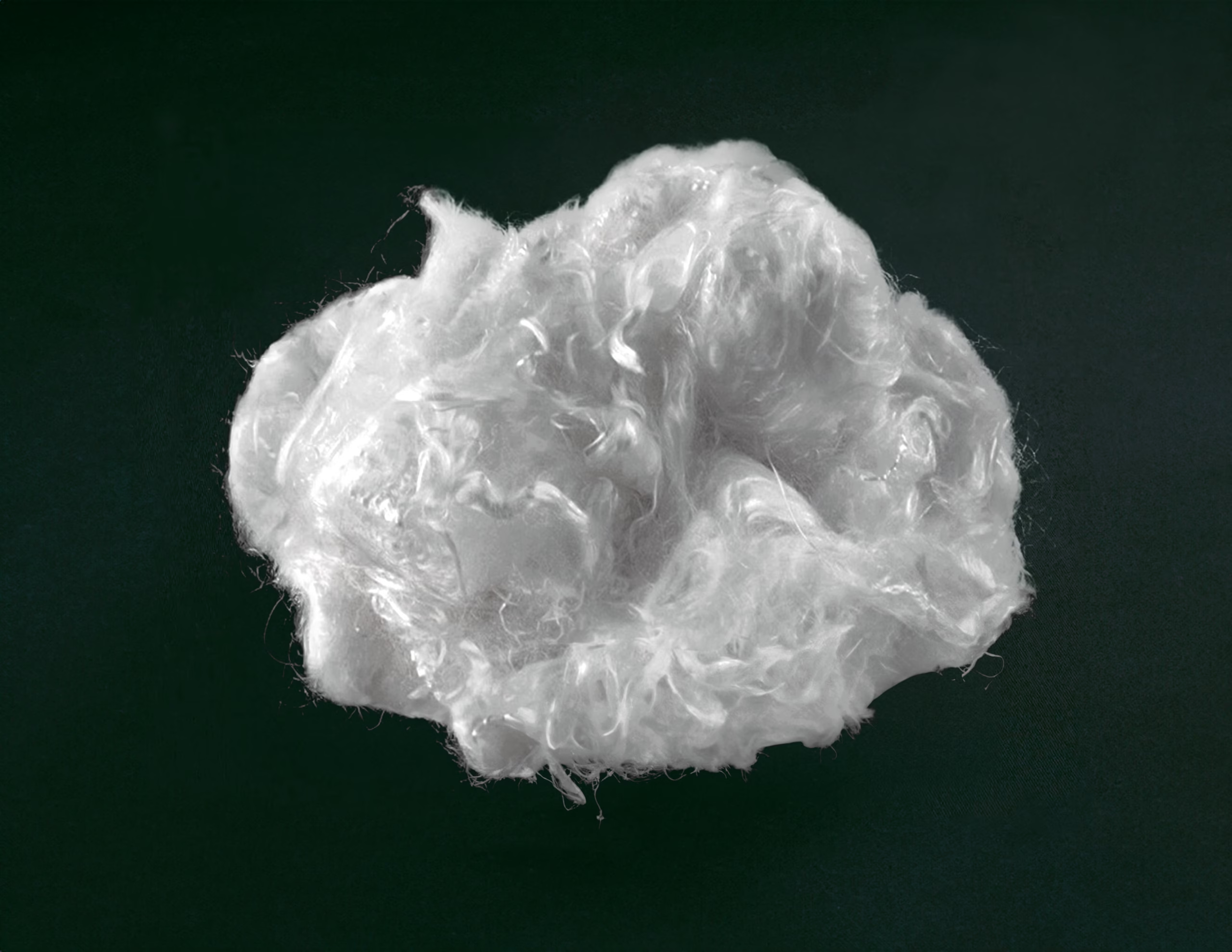
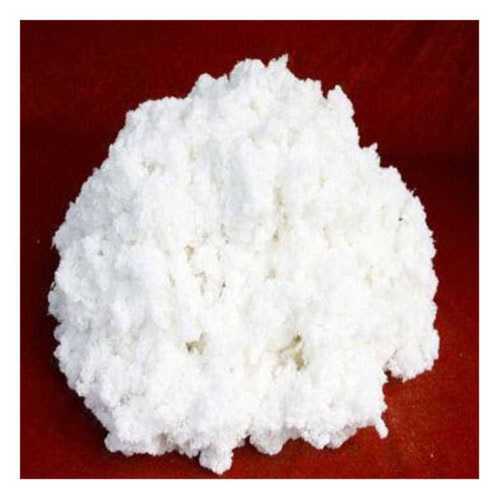
Cellulose Fiber is a high-performance, industrial-grade reinforcing and functional additive derived from purified plant cellulose. Engineered for use across composites, paper & board, nonwovens, adhesives, and specialty polymer formulations, it enhances mechanical strength, dimensional stability, and rheological control while remaining chemically inert. The key value proposition is predictable, high-purity cellulose that improves end-product performance (tensile strength, tear resistance, and binding) and process efficiency (reduced binder usage, improved dispersion). Strategically, cellulose fiber addresses global demand for sustainable, bio-based feedstocks that lower carbon intensity and total cost of ownership in large-volume industrial supply chains. -
Key Specifications & Technical Characteristics
-
Chemical composition: >98% cellulose (α-cellulose from wood pulp or selected agricultural residue); trace hemicelluloses and lignin below specification limits.
-
Purity/grade: Industrial Grade / Technical Grade; customizable purification to meet application-specific requirements.
-
Physical form: Dry fiber, fluffy to granular; available as short-cut fibers, microfibrillated cellulose (MFC), or cellulose nanofibrils (CNF) on request.
-
Color: Natural off-white to pale beige.
-
Average fiber length: Standard 0.2–2.0 mm for staple fibers; bespoke cut lengths available.
-
Fineness (denier/Tex): Supplied to application specs; typical range 0.5–5 dtex.
-
Particle size distribution: Tailored milling options; typical D50 between 20–200 µm for powdered grades.
-
Bulk density: 80–200 kg/m3 (uncompacted); densified options available for handling.
-
Moisture content: Controlled 3–8% (dry basis); low-moisture grades upon request.
-
Ash content: <1.5% (typical), controlled for chemical-sensitive applications.
-
pH (aqueous slurries): Near neutral (6.0–8.0) unless surface-modified.
-
Surface treatment: Untreated or chemically/physically modified (hydrophobized, carboxylated, cationic) to improve compatibility with polymers, resins, or coatings.
-
Thermal stability: Stable up to application-relevant processing temperatures; specific thermal decomposition profiles provided in technical data sheets.
-
Packaging options: 20–25 kg multi-wall kraft bags with PE liner, 500–1000 kg bulk bags (FIBC), 20 MT palletized shrink-wrapped loads, or customer-specified containers.
-
Shelf life: 12–24 months when stored dry (below 60% relative humidity) and away from direct sunlight; shelf-life extension available via modified packaging.
-
Core Industrial Applications
-
Composites & Polymers: Reinforcement in thermoplastics and thermosets to increase tensile and flexural strength at lower density versus mineral fillers; enables lighter, higher-MPV (material performance value) components for automotive interiors, consumer goods, and construction panels.
-
Paper & Board: Strengthening and filler replacement to improve tear and burst strength, reduce fiber furnish costs, and enhance surface properties for coated papers.
-
Nonwovens & Textiles: Reinforcement and absorbency control in wet-laid and dry-laid nonwoven processes, improving tensile strength and liquid handling for hygiene products and industrial wipes.
-
Adhesives & Sealants: Rheology modulation and filler substitution to reduce binder loadings while maintaining bond strength, enabling cost savings and cleaner formulations.
-
Paints & Coatings: Rheology control, anti-sag properties, and improved film formation at lower VOC profiles compared to synthetic thickeners.
-
Construction & Cementitious Systems: Lightweight reinforcement and crack control in mortars, renders, and fiber-cement boards; contributes to improved flexural strength and reduced shrinkage.
Why it performs better: Cellulose fiber provides high specific strength, low density, and excellent surface area for binding—delivering comparable mechanical improvements to synthetic or mineral fillers at lower weight and often lower embodied carbon. Surface-modified grades improve polymer compatibility where alternatives require higher-cost coupling agents.
-
Competitive Advantages
-
Quality consistency: Process-controlled pulp sourcing and in-line QC ensure batch-to-batch uniformity in fiber length, moisture, and ash content; full certificate-of-analysis (CoA) provided with shipments.
-
Supply reliability: Secured, diversified raw material streams and scalable production capacity to support continuous large-volume contracts.
-
Logistics capability: Flexible packaging (bag, FIBC, bulk) and global freight partnerships for optimized lead times and landed cost; local warehousing and consolidation services available in major industrial hubs.
-
Price competitiveness: Economies of scale and feedstock optimization enable cost-effective pricing versus specialty synthetic fibers and high-load mineral fillers.
-
Sustainability benefits: Renewable, biodegradable, and lower embodied carbon compared with petroleum-based alternatives; supports corporate ESG targets and green procurement policies.
-
Technical support: Application engineering services, compatibility testing, and formulation guidance; full technical data sheets (TDS), safety data sheets (SDS), and pilot-sample supply for scale-up trials.
-
Commercial & Supply Information
-
Minimum order quantity (MOQ): BULK 20MT.
-
Loading capacity (per 20-ft container): Approximately 18–20 MT depending on packaging and densification; for 40-ft container, approximately 24–26 MT with optimized palletization.
-
Lead times: Standard lead times 4–8 weeks for bulk orders; expedited production available subject to capacity.
-
Incoterms: FOB, CIF, or DDP options negotiable.
-
Documentation: CoA, TDS, SDS, and mill test reports supplied with each shipment.
Reviews
There are no reviews yet.