
Description
Product Overview
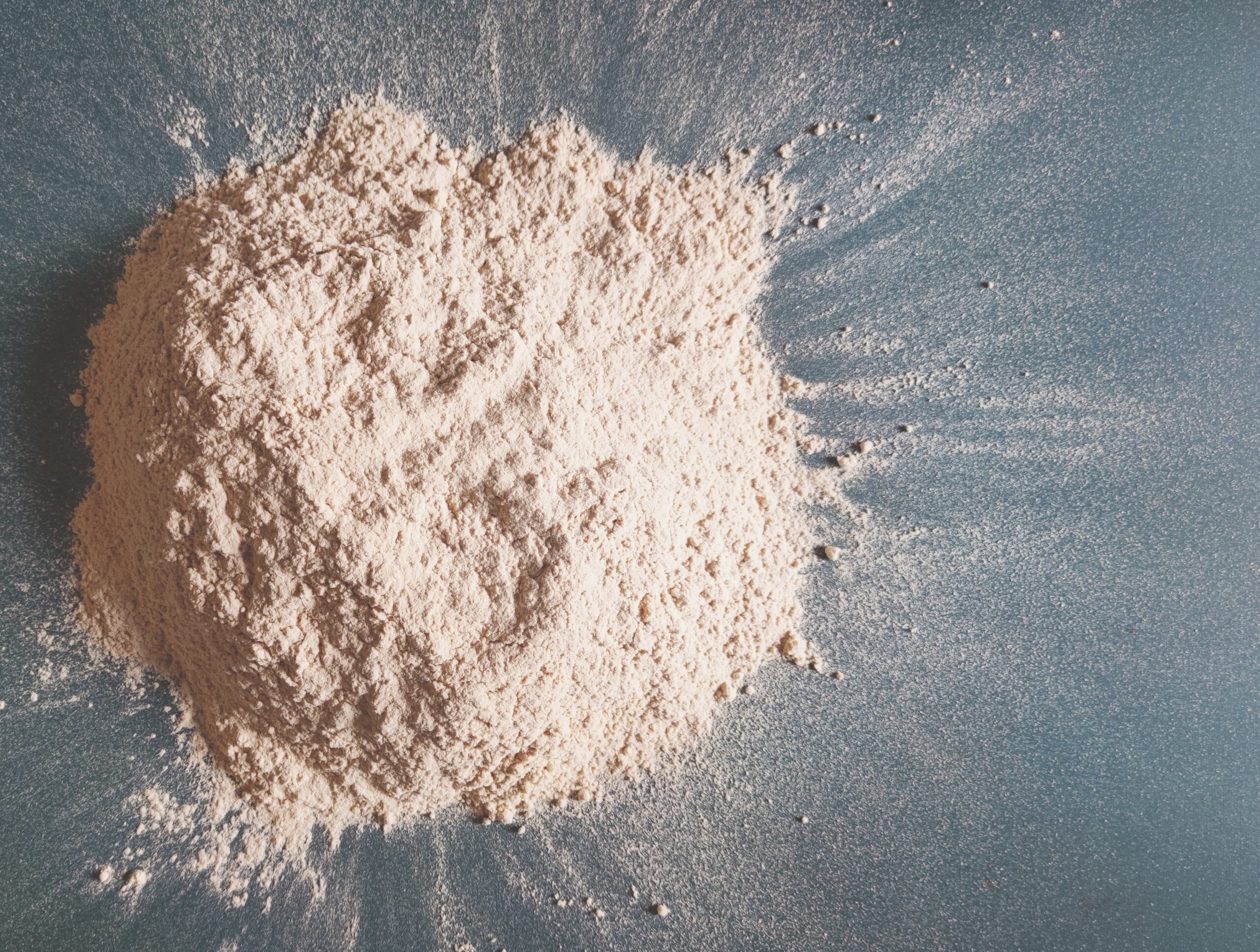
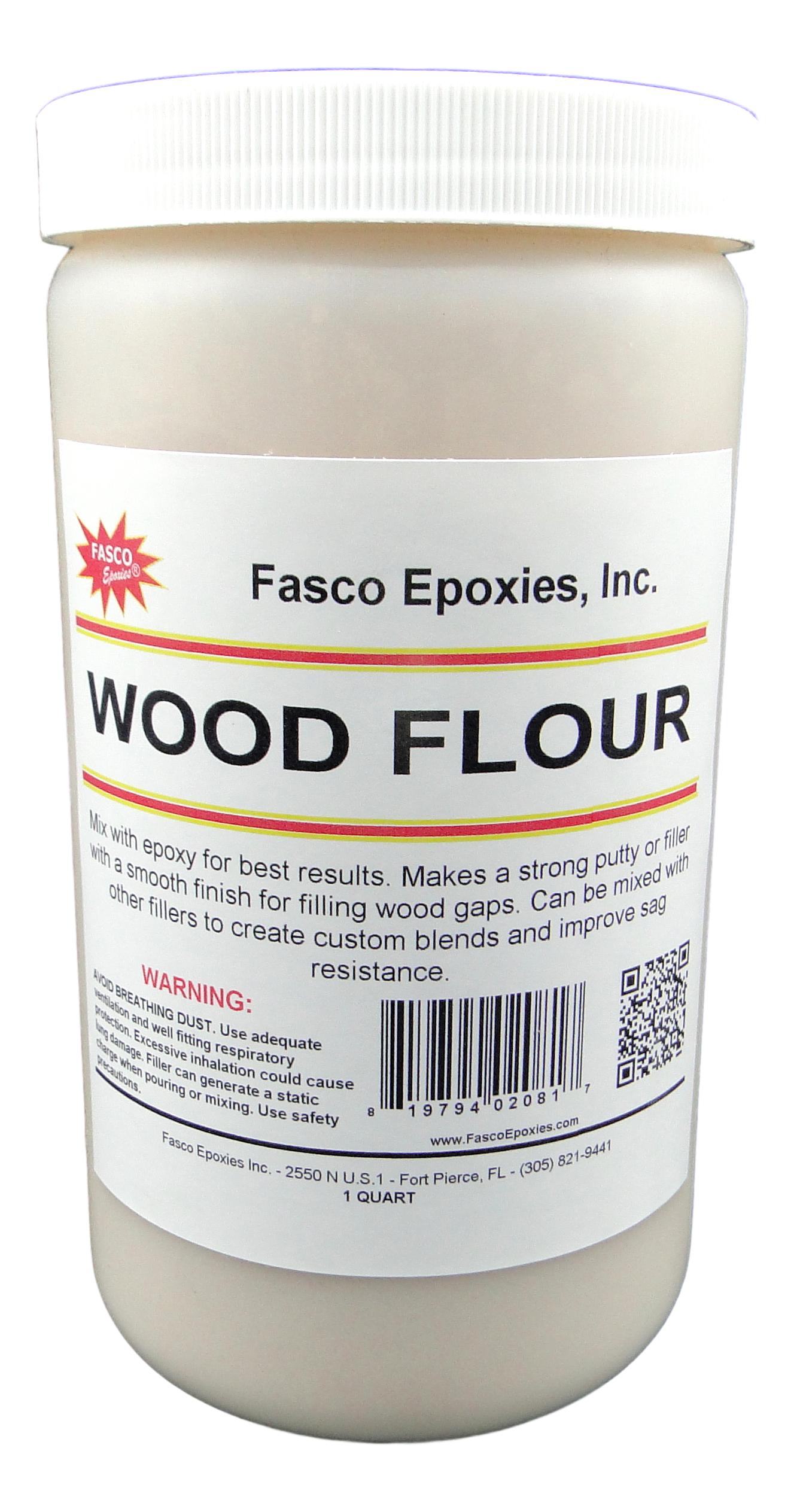
Wood flour is a finely milled, high-cellulose wood powder produced from kiln‑dried, debarked hardwoods and softwoods. It serves as a versatile filler, extender, and reinforcing agent across industrial formulations—most commonly in composites, thermoset/thermoplastic compounds, adhesives, coatings, and molded parts. The product delivers predictable particle morphology and moisture-controlled chemistry that improve dimensional stability, reduce formulation costs, and enhance surface finish. Strategically, wood flour enables manufacturers to reduce reliance on virgin polymers and mineral fillers while meeting increasing demand for bio‑based content and cost‑efficient performance in mass-production environments.
Key Specifications & Technical Characteristics
-
Material source: Mixed hardwoods and softwoods (specify species by lot on request).
-
Chemical composition: Predominantly cellulose and hemicellulose, trace lignin and extractives; typical carbon/oxygen ratio consistent with natural wood.
-
Purity/grade: Industrial grade, kiln-dried and screened; low inorganic ash content (<1.5% typical).
-
Moisture content: Controlled at 2–6% (standard 3–5% target; custom moisture control available).
-
Particle size (typical distributions): 40–200 mesh (commonly supplied 60–100 mesh); bespoke sieving to customer spec.
-
Bulk density: 200–400 kg/m³ (loose), compacted bulk density on request.
-
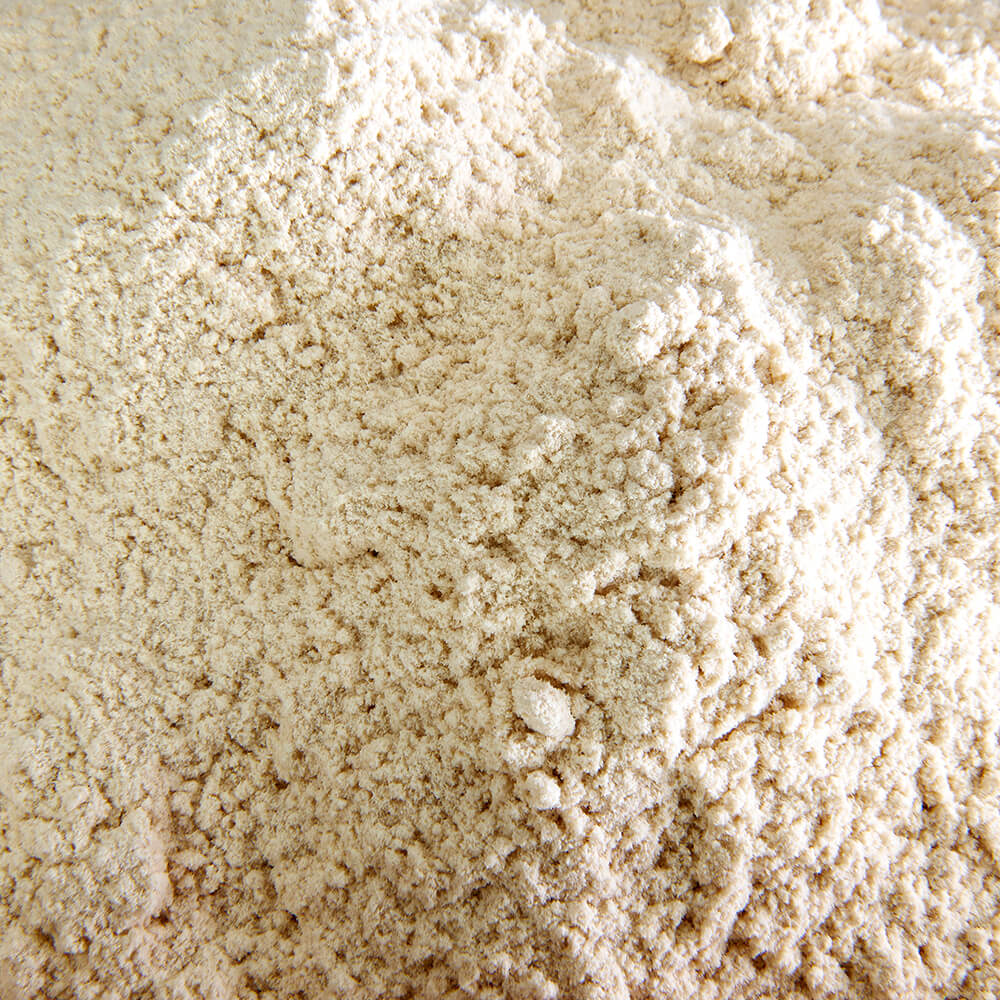
Color/appearance: Off‑white to light brown fine powder, free from visible bark and large contaminants.
-
pH (aqueous extract): mildly acidic to neutral depending on wood species; specification testing available.
-
Thermal stability: Stable under recommended processing temperatures for common thermoplastics and thermosets; char and decomposition profiles available on request.
-
Packaging: 25 kg kraft paper bags with inner PE liner; 500 kg and 1000 kg FIBCs (bulk bags); bulk truckload options.
-
Shelf life/storage: Best if used within 12 months when stored dry (<65% relative humidity), in sealed packaging away from direct sunlight and contamination.
Core Industrial Applications
-
Polymer compounding and wood‑plastic composites (WPC): As a reinforcement and filler that improves stiffness, reduces polymer usage, and enhances surface aesthetics compared with mineral fillers.
-
Thermoset formulations and molded parts: Improves dimensional stability and reduces warpage in molded components for furniture, casings, and trims.
-
Adhesives and sealants: Acts as a rheology modifier and filler to control viscosity and reduce formulation cost without compromising bond strength.
-
Coatings, putties, and sealants: Provides body, sag resistance, and texture control while increasing bio‑based content for eco‑labeling.
-
Injection molding and extrusion: Enables lightweighting and improved machine throughput due to predictable flow characteristics when properly compounded.
Why it outperforms alternatives: -
Cost-efficiency: Lower unit cost than many engineered fillers while delivering competitive mechanical reinforcement.
-
Compatibility: Natural affinity with polymer matrices when treated or compatibilized; easier dispersion than fibrous wood chips.
-
Surface finish: Finer particle size yields superior finishing and paintability versus coarse natural fillers.
-
Sustainability: Renewable, lower embodied carbon relative to mineral fillers, supporting ESG targets and green product claims.
Competitive Advantages
-
Quality consistency: Controlled sourcing and on-site milling with batch-level QC (moisture, particle distribution, ash) ensure repeatable performance.
-
Supply reliability: Multi-source procurement from certified sawmill networks with inventory buffers to support continuous production.
-
Logistics capability: Flexible packaging (bags, FIBCs, bulk) optimized for sea container and bulk road transport; regional warehousing options for lead-time reduction.
-
Price competitiveness: Scalable production and low-cost feedstock deliver favorable unit economics versus engineered fillers.
-
Sustainability credentials: Renewable feedstock, potential for FSC or equivalent chain-of-custody documentation on request, and lower lifecycle GHG intensity compared with mineral alternatives.
-
Technical support: Specification sheets, particle-size analysis, moisture profiling, and advice on compatibilization/treatment available; sample programs and application testing support for scale-up.
Commercial & Supply Information
-
Minimum order quantity (MOQ): BULK 20 MT.
-
Loading capacity (MT per container):
-
20 ft container: up to 18–20 MT (bagged, depending on packaging and stowage).
-
40 ft container: up to 24–26 MT (bagged) or higher if FIBCs/bulk loading optimized.
-

Reviews
There are no reviews yet.