
Description
-
Product Overview
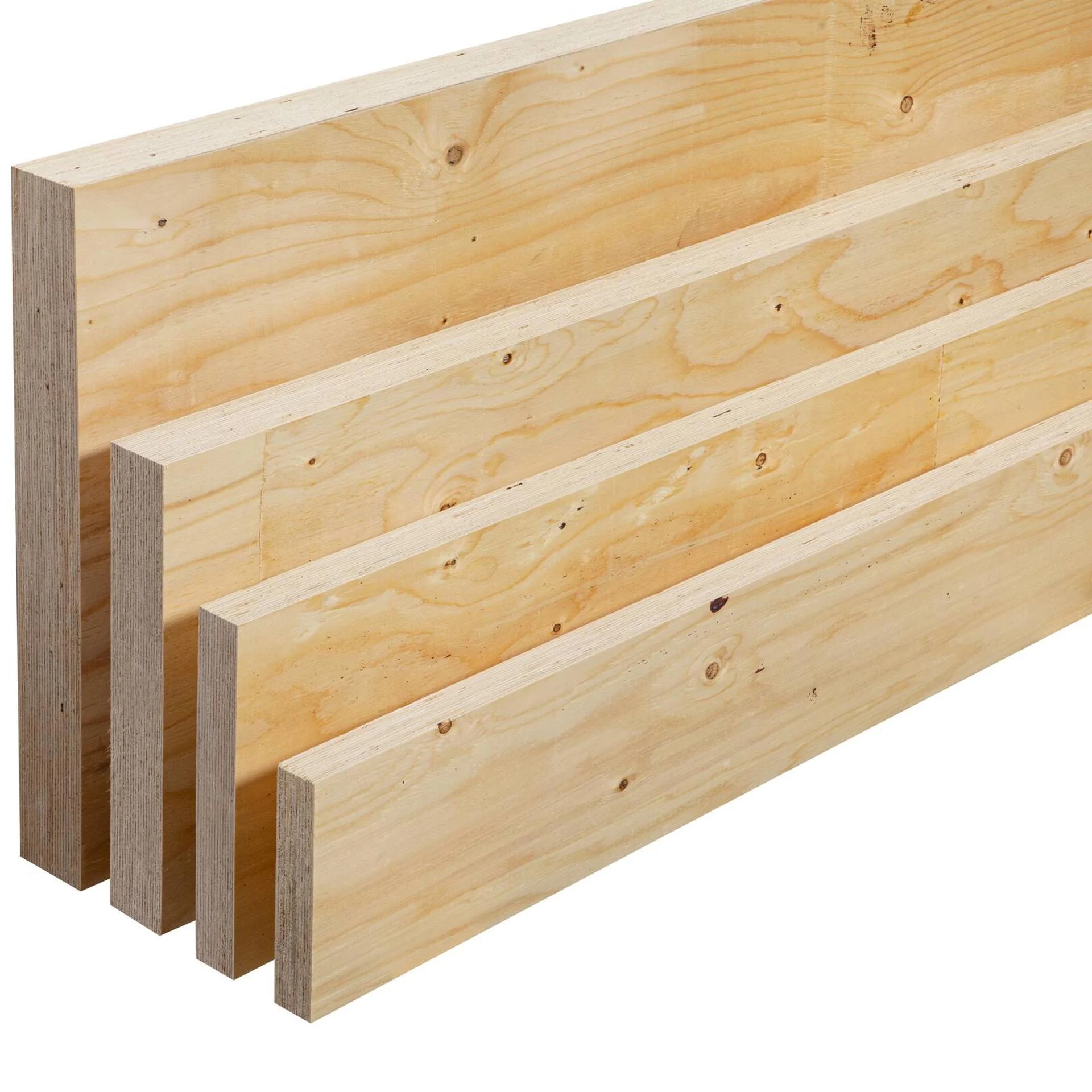
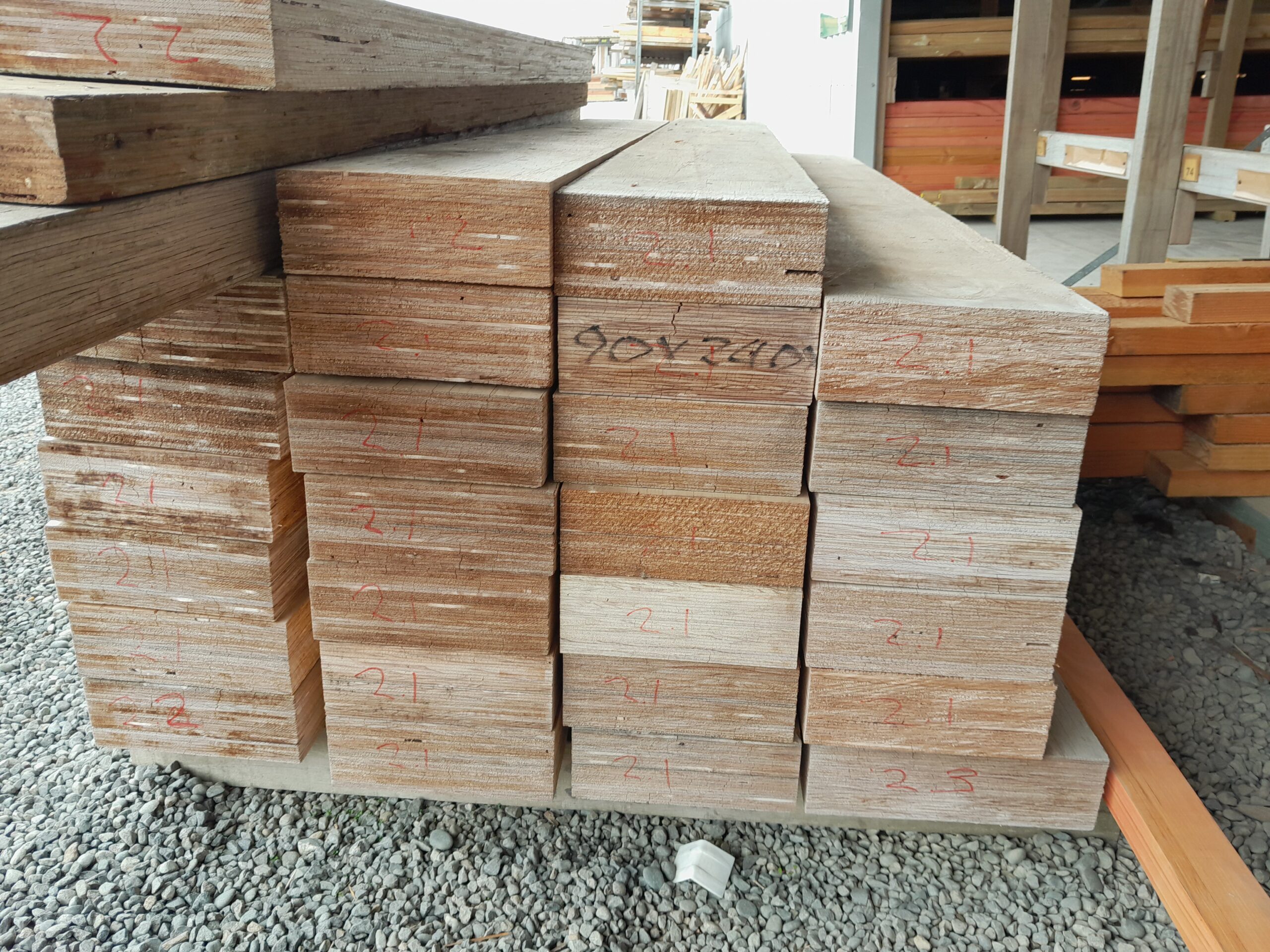
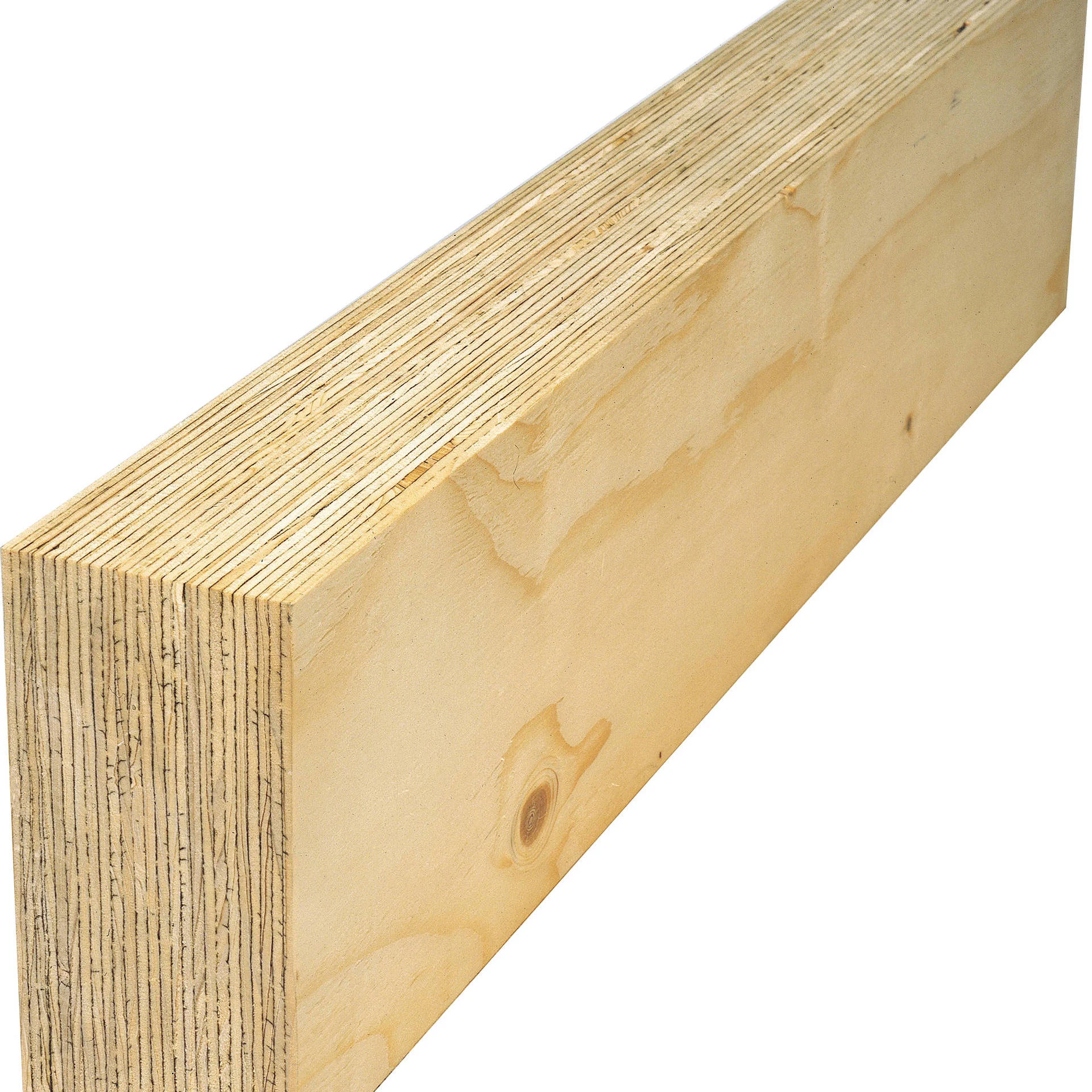
LVL Beam Offcuts are reclaimed laminated veneer lumber beam remnants produced during LVL manufacturing and construction trimming. Primarily used as industrial-grade raw material for secondary timber products, composite panels, biomass energy, and engineered wood formulations, these offcuts deliver cost-efficient, high-strength wood fiber with predictable mechanical properties. Their key value proposition is providing large-volume buyers with a lower-cost, structurally reliable feedstock that preserves the mechanical and dimensional advantages of LVL while reducing virgin timber consumption and waste. Strategically, LVL Beam Offcuts enable manufacturers, panel producers, and energy suppliers to lower input costs, improve sustainability credentials, and secure resilient supply chains in a tight global timber market. -
Key Specifications & Technical Characteristics
-
Material: Laminated Veneer Lumber (LVL) offcuts composed of rotary-peeled hardwood or softwood veneers bonded with phenolic or melamine-urea formaldehyde adhesives, depending on source mill specification.
-
Typical species: Radiata pine, spruce, poplar, or other regionally available softwood/hardwood veneers (specify on inquiry).
-
Grade: Industrial reclaimed offcuts; not visually graded for appearance; structural integrity consistent with source LVL batch.
-
Moisture content: Typically 8–15% (seasoned; range depends on processing and storage).
-
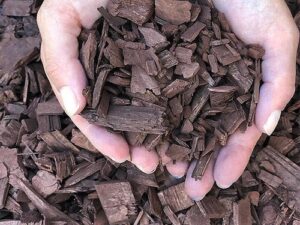
Physical form: Irregular beam fragments and trimmed lengths, nominal thicknesses aligned with LVL lamina (commonly 9–45 mm veneer stack thickness equivalents), variable lengths (0.2–3.6 m typical).
-
Density: Aligned with source LVL density; typical bulk density range 350–700 kg/m³ (species dependent).
-
Contaminants: Minimal metal fasteners, adhesive residue; pre-processing options for de-nailing, trimming, and contaminant removal available on request.
-
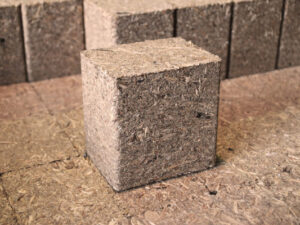
Pack size / packaging options: Loose palletised bundles, shrink-wrapped bulk bundles, or bulk-packed in open-top containers. Custom on-site compaction or briquetting prior to shipment available for repeat contracts.
-
Shelf life: Stable indefinite when stored dry; recommended storage under cover to maintain moisture content and prevent biological growth.
-
Compliance: Material sourced from certified mills on request (FSC/PEFC documentation available per lot where applicable).
-
QA: Lot-level sampling and specification certificates available (moisture, bulk density, species confirmation).
-
Core Industrial Applications
-
Engineered wood and panel production: Re-milling and re-lamination into particleboard, OSB, MDF feedstock, and oriented strand products where consistent fiber quality improves board strength and lowers raw material costs.
-
Composite product manufacturing: Input for laminated components, furniture substructures, pallets, crates, and industrial crates where structural performance of LVL-derived fibers enhances durability.
-
Biomass and energy generation: High-calorific feedstock for industrial boilers, pellet mills, and co-fired energy facilities; higher energy density and predictable combustion behavior versus mixed wood waste.
-
Wood reprocessing and briquetting: Reclaimed offcuts compressed into briquettes or engineered feedstock for downstream manufacturing, reducing transport and handling costs.
-
Construction secondary uses: Temporary works, formwork, blocking, and bracing where cost-effective structural remnants are acceptable.
Why it outperforms alternatives: -
Predictable mechanical properties due to LVL manufacturing controls (more uniform fibers and adhesive distribution) vs. mixed sawmill waste.
-
Lower moisture variability and dimensional stability than raw rounds or unprocessed scrap, reducing processing downtime.
-
Economies of scale for bulk buyers: lower per-ton cost and reduced need for upstream sorting or separation.
-
Competitive Advantages
-
Quality consistency: Offcuts originate from controlled LVL production lines; batch traceability and lot testing reduce variability risk compared with anonymous wood waste streams.
-
Supply reliability: Regular volumes available from partner mills with scalable dispatch schedules for long-term contracts; bulk stockholding and scheduled replenishment options.
-
Logistics capability: Palletised and container-loading expertise, on-demand compaction/briquetting, and export-grade packaging to minimize freight cost per ton.
-
Price competitiveness: Market-priced waste stream with tiered pricing for volume contracts, reducing raw material costs while preserving performance attributes.
-
Sustainability benefits: Diverts manufacturing waste from landfill and reduces demand for virgin roundwood; certification options (FSC/PEFC) available per lot to support corporate sustainability reporting.
-
Technical support: Detailed material data sheets, sampling programs, and reprocessing guidance (sawing, drying, contaminant removal) provided to industrial buyers; custom pre-processing and QA terms negotiable.
-
Commercial & Supply Information
-
Minimum order quantity (MOQ): BULK 20 MT.
-
Typical loading capacity: Up to 22–24 MT per 20-foot container (loose palletised load may vary by compaction method); up to 40–44 MT per 40-foot open-top or high-cube container with compaction/baling.
-
Lead times: Dependent on contract size and mill schedule; standard lead time 2–6 weeks for committed stock, expedited options negotiable.
-
Pricing terms: FOB/CIF/EXW available; tiered discounts for monthly recurring volumes and multi-month contracts.
-
Sampling & inspection: Pre-shipment sampling and third-party inspection available; specification certificates supplied with shipments.

Reviews
There are no reviews yet.