
Description
Product Overview
Wood Shavings are high-quality, mechanically processed softwood (and optionally mixed hardwood) cellulose-based flakes produced for industrial uses where controlled porosity, absorbency, and low dust content are critical. Primarily used as bedding, packing, absorbent media, biomass feedstock, and substrate material, our wood shavings deliver consistent particle geometry and moisture control to optimize downstream processes. The key value proposition is a reliably manufactured, uniform material that reduces process variability, lowers handling and disposal costs, and improves operational safety. Strategically, wood shavings serve as a low-cost, renewable input across agriculture, logistics, manufacturing and energy markets, enabling customers to meet sustainability goals while improving unit economics.
Key Specifications & Technical Characteristics
-
Material composition: Predominantly kiln-dried softwood species (pine/spruce), optional mixed hardwood blend available on request.
-
Chemical profile: Natural cellulose, hemicellulose, lignin; no added binders, adhesives, or chemical treatments unless specified.
-
Moisture content: Standard 8–12% (other ranges available by order).
-
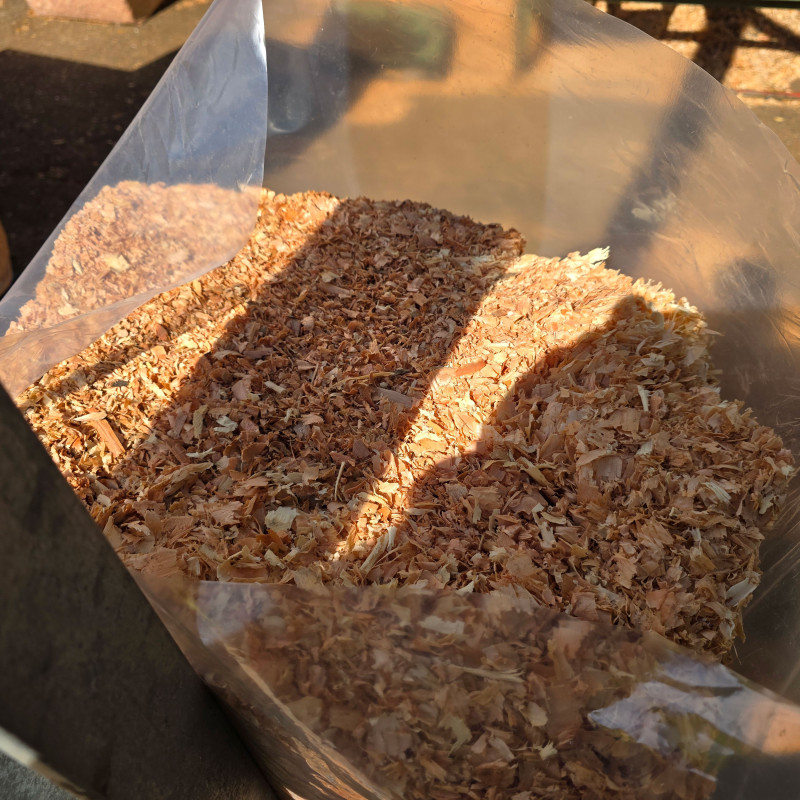
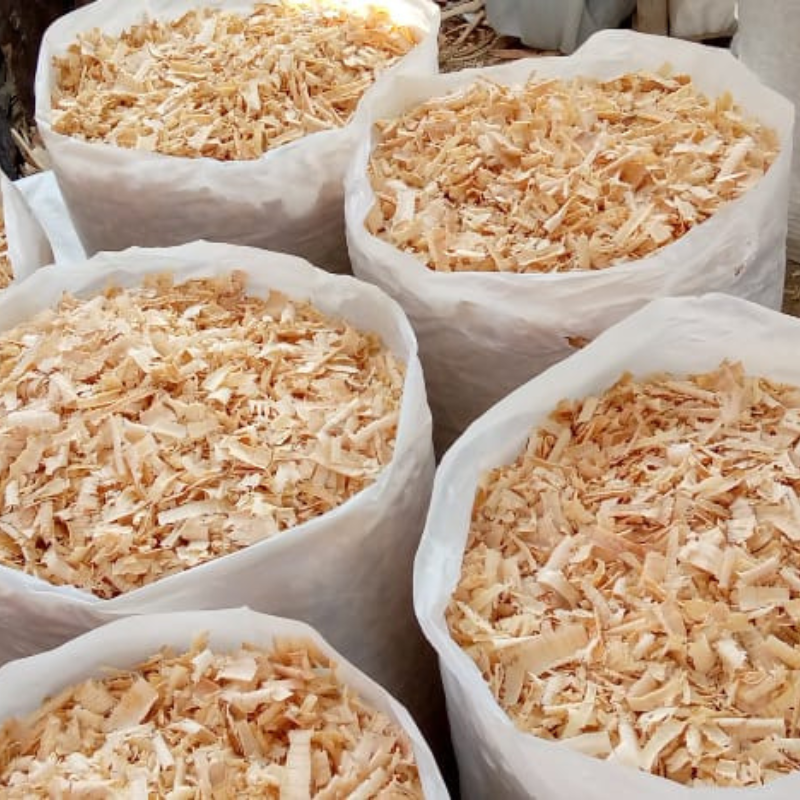
Particle form & size: Long-strand shavings, nominal thickness 0.3–1.0 mm, nominal length distribution 10–60 mm (custom sizing available).
-
Bulk density (loose): Typically 80–160 kg/m³ (compressed/packaged density varies).
-
Ash content: Typical <1.5% (species-dependent).
-
Dust fraction: Controlled <2% passing 500 µm sieve for standard grade; low-dust grades available.
-
Odor: Natural wood aroma, free of chemical off-odors.
-
Contaminants: Free of metal, plastics, and foreign debris per visual and magnet/metal-detect inspection.
-
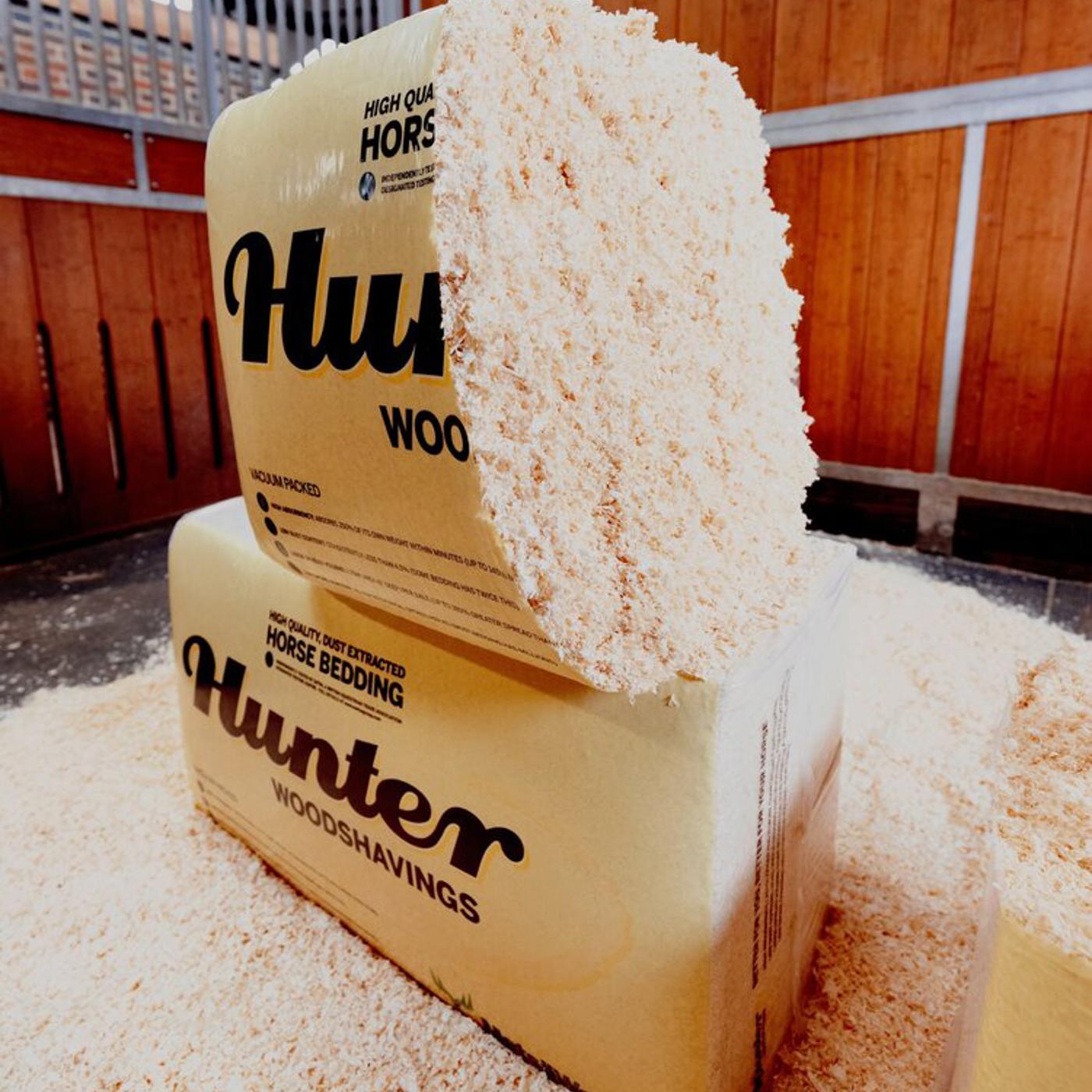
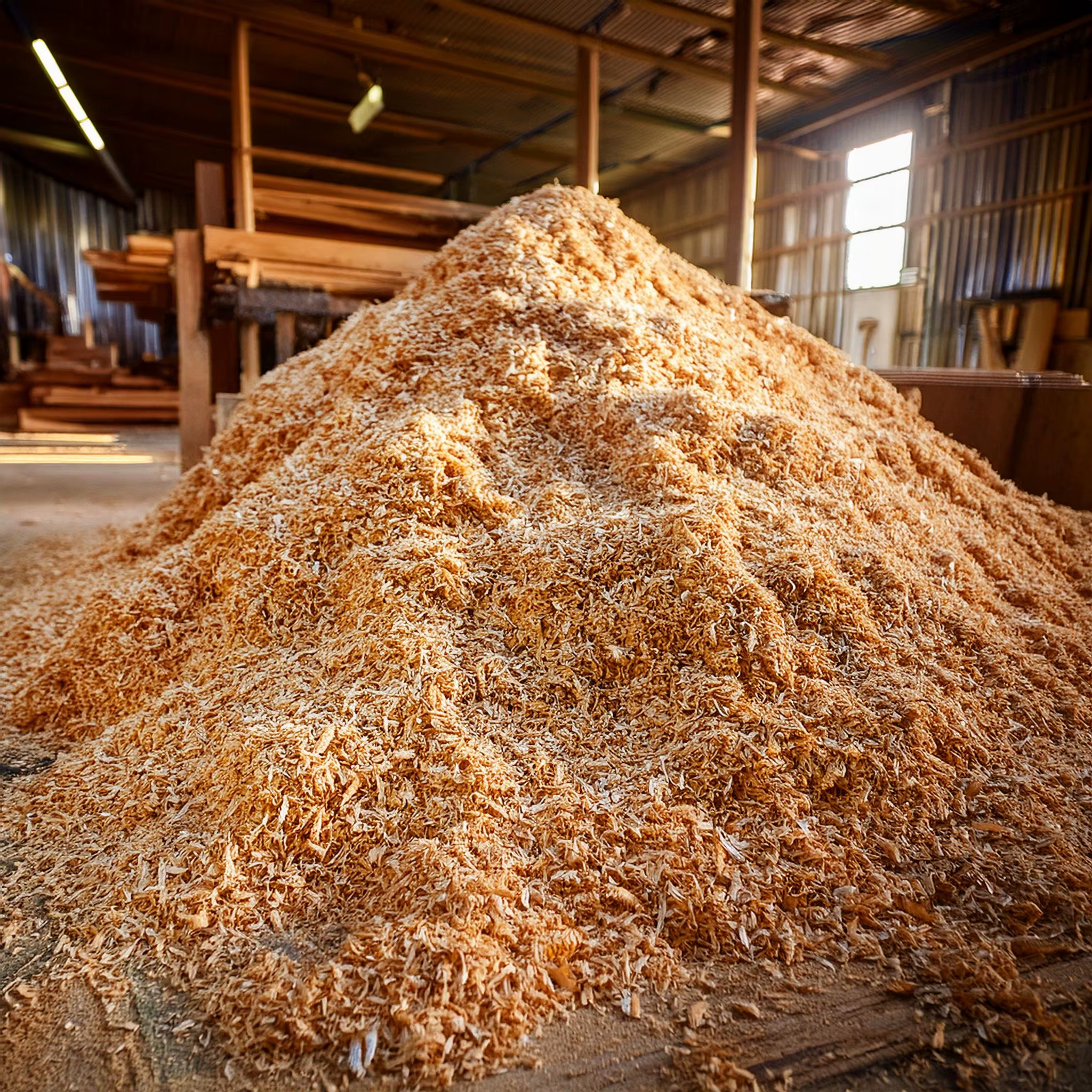
Packaging options: Bulk loose tipping (20 MT truck), jumbo bags (1–1.5 MT per bag), palletized bales (approx. 500–1,000 kg per bale), or containerized compressed bales (20 MT per 20’ container typical).
-
Shelf life: Stable indefinitely when stored dry; recommend indoor or tarped storage to maintain specified moisture and quality.
-
Certification options: FSC/PEFC chain-of-custody and phytosanitary certificates available on request for export shipments.
Core Industrial Applications
-
Animal husbandry & veterinary bedding: Poultry, equine, small-animal and livestock bedding offering superior absorbency, low ammonia retention, and easy manure separation; reduces labor and improves animal welfare metrics.
-
Packaging & cushioning: Protective void-fill for fragile industrial components and consumer goods; consistent compression characteristics reduce product damage rates compared to inconsistent recycled fillers.
-
Absorbents & spill control: High-capacity fluid uptake for hydraulic oils and water-based spills in industrial facilities and transport; cost-effective and easy to handle disposal.
-
Horticulture & substrate blends: Component for potting mixes, mushroom substrate, and hydroponic media that improves aeration and water-holding balance relative to alternatives (peat or coco coir).
-
Biomass fuel & co-firing: Low-moisture feedstock for pelletizing or direct combustion with predictable calorific value and low ash content compared to low-grade wood wastes.
-
Industrial filtration and surface finishing: Used as abrasive support or packing in select manufacturing processes where low dust and consistent particle geometry improve process control.
Why it outperforms alternatives
-
Consistency: Factory-controlled production yields uniform particle size and moisture, minimizing process variability versus mixed wood waste.
-
Cost-efficiency: High absorbency and lower bulk density enable reduced material volumes and lower disposal/transport costs.
-
Operational advantages: Low-dust grades and contaminant controls reduce equipment wear and improve environmental health and safety (EHS) outcomes.
-
Sustainability: Renewable feedstock with available chain-of-custody certification provides a lower-carbon alternative to synthetic or peat-based materials.
Competitive Advantages
-
Quality consistency: Standardized production lines and QC sampling ensure batch-to-batch uniformity in moisture, particle size, and dust fraction.
-
Supply reliability: Capacity-planned supply with multiple regional sourcing sites, safety stock, and contract allocation to support continuous operations.
-
Logistics capability: Flexible packaging and container-loading options, experience with sea/rail/truck export logistics, and container stuffing protocols to maximize loading efficiency (compressed bales for export).
-
Price competitiveness: Economies of scale and optimized drying/packaging reduce landed cost versus bespoke or small-batch suppliers.
-
Sustainability benefits: Renewable raw material, low embodied energy when kiln-dried efficiently, and optional FSC/PEFC certification to support corporate sustainability reporting.
-
Technical support: Product specification sheets, loading guides, storage recommendations, and on-request lab analysis (moisture, ash, particle distribution) to facilitate qualification and integration.
Commercial & Supply Information
-
Minimum order quantity (MOQ): BULK 20MT.
-
Loading capacity: Typical container loading: up to 20 MT per 20’ container with compressed bales; up to 22–24 MT per 40’ container depending on bale compression and packaging format. For bulk truckload: 20 MT per standard dump/box truck; palletized shipments vary by pallet configuration.
Reviews
There are no reviews yet.