
Description
-
Product Overview
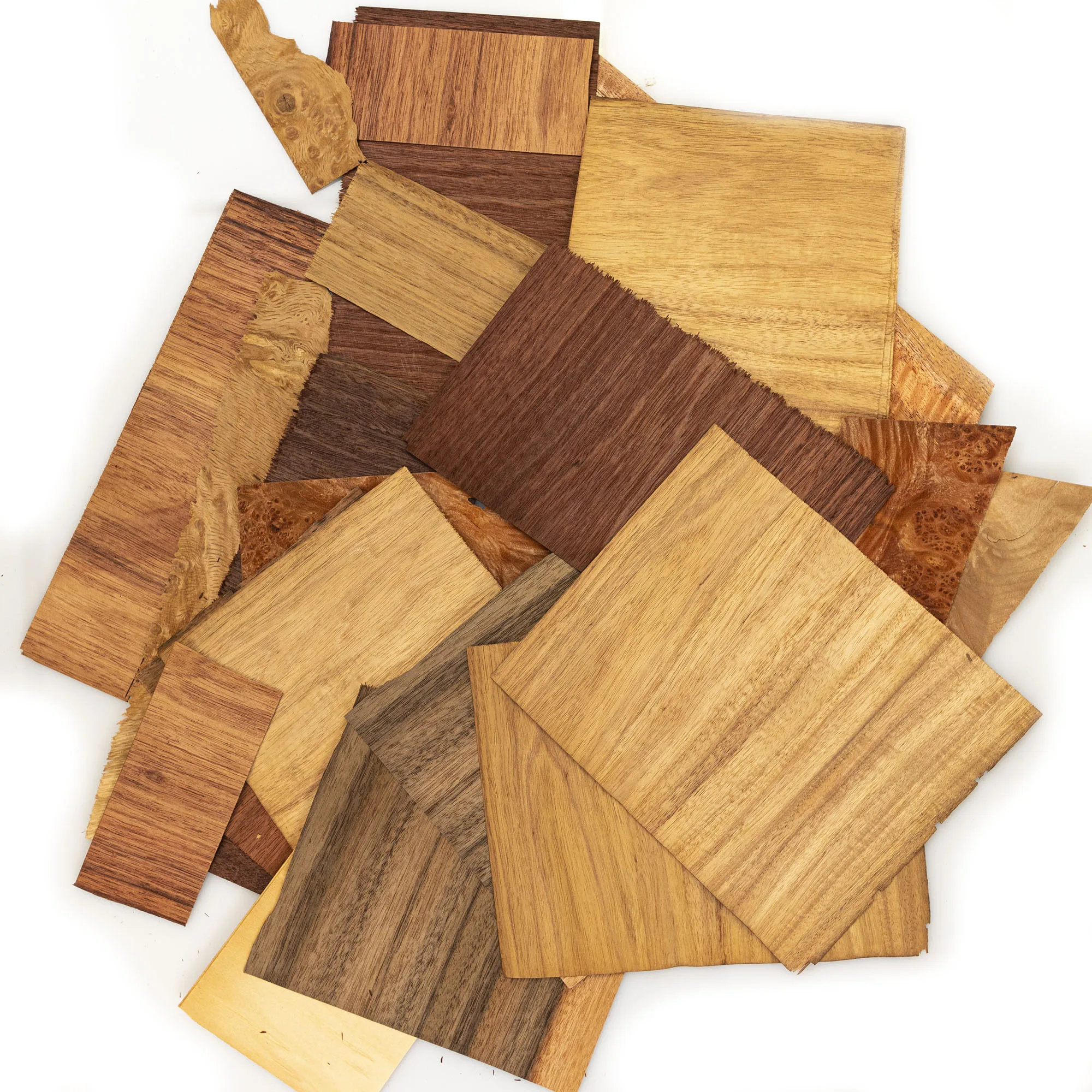
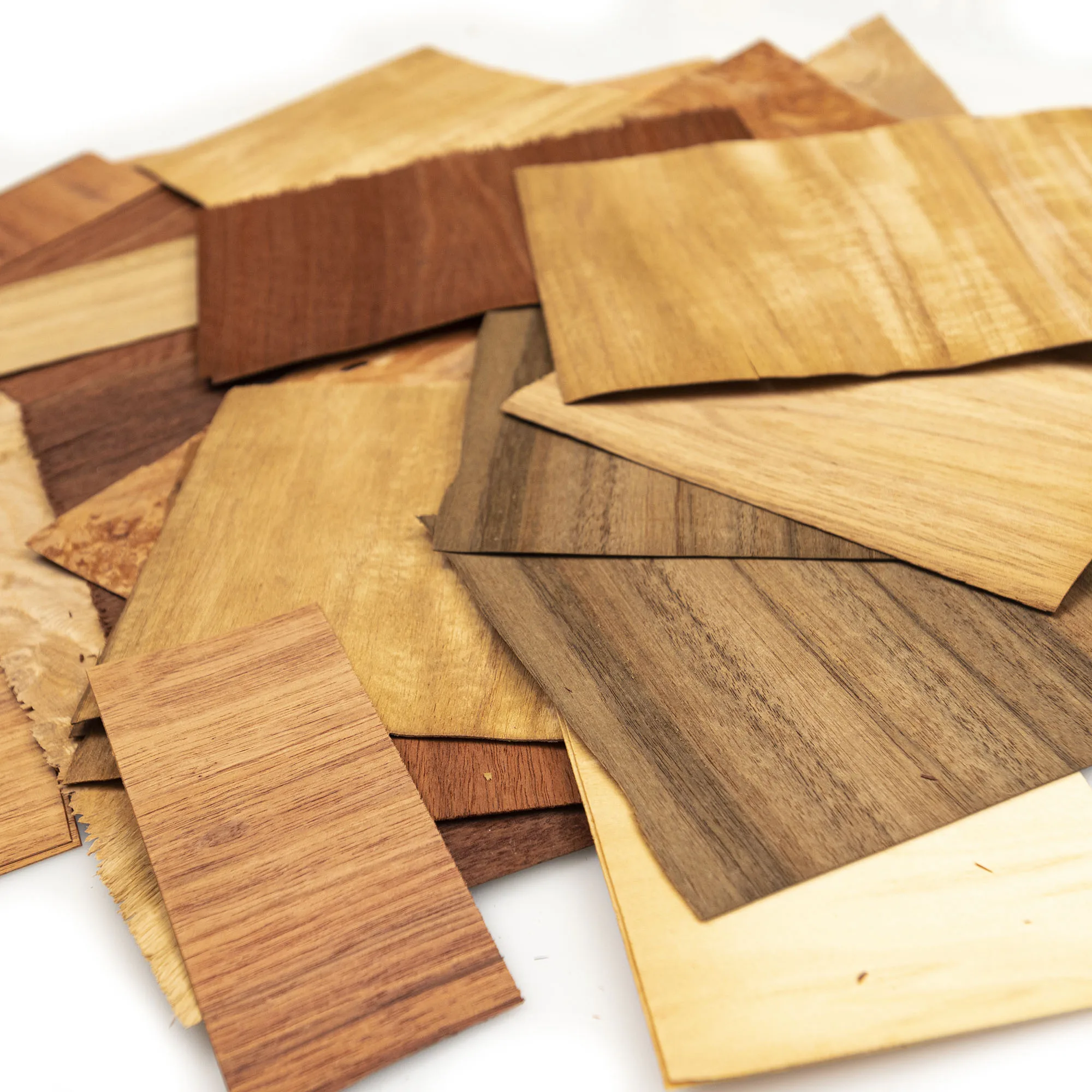
Veneer Offcuts are industrial-grade wood veneer remnants produced during veneer slicing and trimming processes. Primarily used as feedstock for engineered wood products, biomass energy, panelboard reinforcements, and composite manufacturing, these offcuts deliver consistent wood fibre quality at lower cost than full-size veneers. They provide a high-value circular solution—maximizing raw-material yield, reducing waste disposal costs, and lowering input costs for downstream processors. Strategically, veneer offcuts enable manufacturers and biomass energy producers to secure a reliable, lower-cost source of homogeneous wood material while improving sustainability metrics across supply chains.
-
Key Specifications & Technical Characteristics
-
Material: Mixed hardwood and softwood veneer offcuts (species blend specified per lot on request).
-
Composition: Natural wood veneer fragments; no added adhesives or chemical treatments unless specified.
-
Moisture content: 8–18% (targeted and certified at shipment; custom drying available).
-
Particle size / form: Loose offcuts and strips, typical dimensions 5–300 mm; particle distribution provided with batch certificate.
-
Bulk density: 180–350 kg/m³ (varies by species and moisture); bulk density certificate supplied.
-
Contaminants: Screened to remove metal, plastic, and large debris; residual adhesive content ≤ specified tolerance on request.
-
Purity / grade: Industrial grade A–B (grade definition and acceptance criteria provided in product specification sheet).
-
Packaging options: Loose bulk tipping, 1–1.2 m³ bulk bags (FIBCs), shrink-wrapped pallets (approx. 0.5–1 m³), or containerized loose-load.
-
Typical container load: Up to 20–24 MT per 20’ container (depending on bulk density and packing mode).
-
Shelf life / storage: Indefinite if stored dry and protected from biological degradation; recommended storage under cover and on pallets to avoid ground moisture.
-
Quality documentation: Batch mill-test certificate, species declaration, moisture certificate, and phytosanitary certificate (where applicable).
-
Core Industrial Applications
-
Engineered wood & panelboard production: Used as core material or filler in MDF, particleboard, plywood and laminated veneer lumber (LVL). Improves yield and reduces raw veneer consumption while maintaining mechanical performance when blended under controlled process parameters.
-
Composite & molding operations: Feedstock for wood-plastic composites (WPCs) and thermoset composites where consistent fibre geometry and low contamination improve process stability and surface finish.
-
Biomass & bioenergy: High-calorific-value biomass for industrial boilers, cogeneration, and pellet plants; predictable moisture and species mix supports combustion efficiency and emissions control.
-
Chemical & pulping feedstock: Raw material for low-grade pulping and thermochemical conversion where cost-effective lignocellulosic feedstock is required.
-
Agricultural & horticultural uses: Mulch, substrate amendment and soil conditioners after size-reduction and screening.
Why it outperforms alternatives:
-
Cost efficiency: Lower unit cost per cubic metre vs. prime veneer and sawn timber, reducing raw-material spend.
-
Consistency: Supplied with batch-level moisture and species data, enabling predictable processing and quality control.
-
Operational advantages: Ready-to-use form reduces preprocessing in many applications; compatible with standard handling and dosing equipment.
-
Sustainability: Utilizes processing waste, helps producers meet circularity and waste-reduction targets, and can reduce procurement footprint.
-
Competitive Advantages
-
Quality consistency: Mill-sorted lots and quality inspection protocols ensure predictable moisture, species mix, and contaminant levels.
-
Supply reliability: Established partnerships with primary veneer mills and synchronized logistics for continuous bulk supply; scalable to long-term contracts.
-
Logistics capability: Flexible packaging modes (FIBC, pallet, loose container) and container loading optimization to maximize freight efficiency and reduce per-ton transport cost.
-
Price competitiveness: Positioned at a significant discount to prime veneer and sawn timber with volume-tier pricing and contract pricing available for multi-month commitments.
-
Sustainability credentials: Waste-to-feedstock model lowers lifecycle impacts, reduces landfill disposal, and supports corporate ESG targets; documentation for recycled content and origin available.
-
Technical support: Detailed product specification sheets, handling and storage guidelines, and quality certificates provided. Custom drying, screening, and species segregation services available on request.
-
Commercial & Supply Information
-
Minimum Order Quantity (MOQ): BULK 20 MT
-
Typical container loading: 20–24 MT per 20’ container (dependent on packing method and bulk density)
-
Lead times: Standard lead time 2–6 weeks depending on destination and contract terms; expedited production and shipping options negotiable.
-
Contracting options: Spot shipments, monthly supply contracts, and annual offtake agreements with volume discounts.
-
Payment & logistics terms: Export-ready documentation (commercial invoice, packing list, phytosanitary certificate) available; FOB, CIF, and DAP incoterms negotiable.

Reviews
There are no reviews yet.