
Description
-
Product Overview
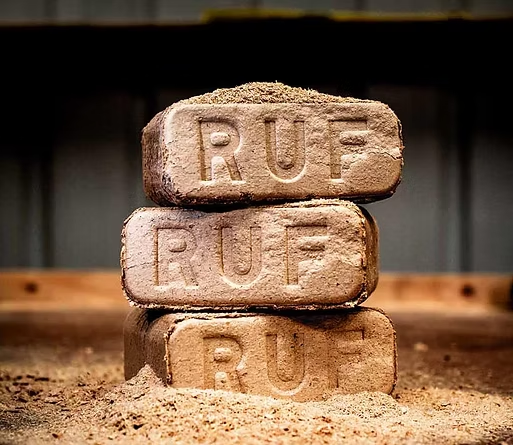
Wood Briquettes RUF are high-density, mechanically compressed biomass fuel made from sustainably sourced wood residues using the RUF press method. Primarily used as a replacement for coal and firewood in industrial heat processes, boiler operations, brick and ceramic kilns, and district heating systems, these briquettes deliver stable calorific output and predictable combustion behavior. The key value proposition is reliable, high-energy, low-ash fuel that simplifies handling and dosing while reducing emissions and overall fuel costs compared with raw biomass or low-grade coal. Strategically, Wood Briquettes RUF enable industrial buyers to meet tightening emissions standards, secure cost-stable fuel supply chains, and improve operational efficiency in thermal applications. -
Key Specifications & Technical Characteristics
-
Material components: 100% natural wood residues (sawmill shavings, planing dust, bark-free sawdust), no binders or chemical additives.
-
Calorific value: typically 17.5–19.5 MJ/kg (dry basis).
-
Moisture content: 6–12% (deviations specified per batch).
-
Ash content: ≤ 1.5% (depending on feedstock; low-ash formulation available).
-
Bulk density: 1.0–1.2 t/m³ (product density 0.9–1.1 g/cm³).
-
Form & dimensions: cylindrical or rectangular RUF briquettes; standard sizes: 50–80 mm diameter / 80–200 mm length; custom sizes on request.
-
Compressive strength: engineered for mechanical handling and automated feeding systems; low friability under standard storage and transport.
-
Particle/fragmentation: low fines generation; consistent size distribution per specification.
-
Volatile matter & fixed carbon: balanced for steady ignition and burn profile (spec sheets supplied).
-
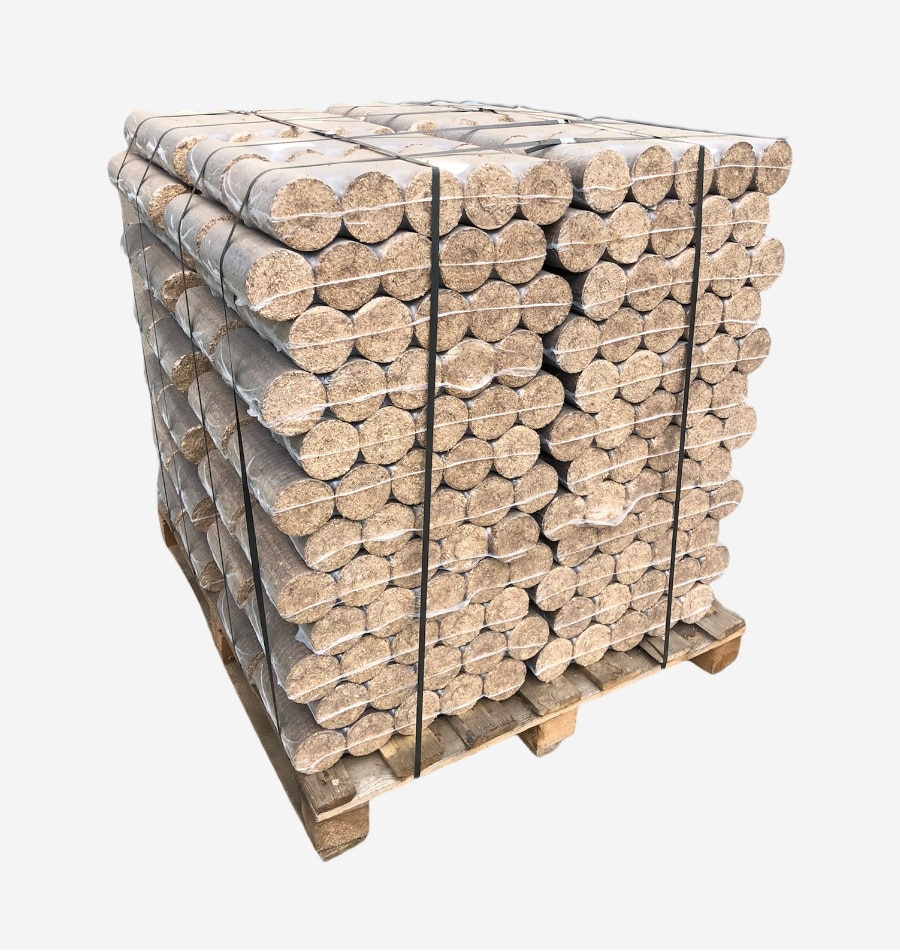
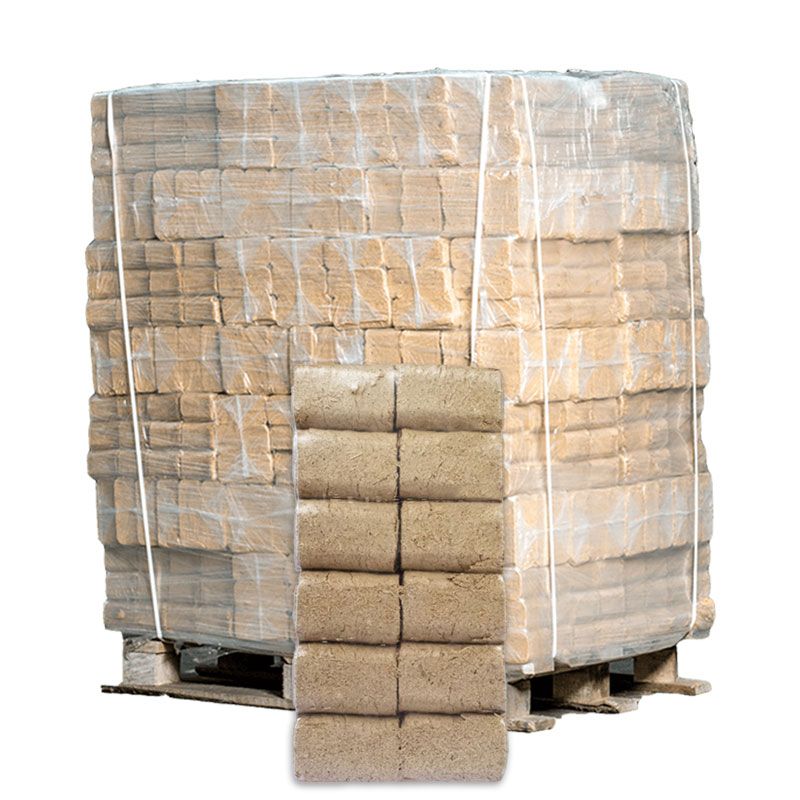
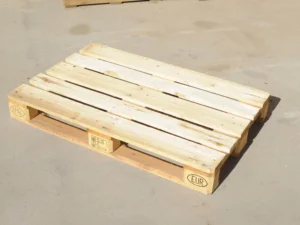
Packaging options: loose-loaded bulk (20 MT palletized for container loading), 1 MT bulk bags (FIBC), 10–25 kg paper/bio-plastic bags on pallets, or bulk hoppers for direct silo loading.
-
Shelf life: stable under dry, ventilated storage for 12–24 months with minimal quality degradation.
-
Certification & testing: available proximate/ultimate analysis, calorific testing, moisture & ash reports, and sustainability chain-of-custody documentation on request.
-
Core Industrial Applications
-
Power & heat generation: direct firing in industrial boilers and CHP plants as a low-ash alternative to coal, reducing ash handling and slagging risks.
-
Manufacturing kilns: reliable heat source for brick, tile, and ceramic kilns where stable flame and consistent energy input improve product yield and reduce downtime.
-
District heating and commercial boilers: suited for centralized heat networks, hotels, and institutional boilers that require predictable burn rate and reduced emissions control costs.
-
Process heating in food, chemical, and wood-processing industries: for drying kilns, steam generation, and process ovens where uniform heat improves throughput and product quality.
Why it outperforms alternatives: -
Higher and more consistent calorific density than loose wood chips or green fuel, enabling smaller fuel storage footprints and fewer recharges.
-
Lower moisture and ash than roundwood or untreated waste wood, yielding higher combustion efficiency and reduced emissions controls cost.
-
Improved handling and automation compatibility versus loose biomass, reducing labor and spillage losses.
Commercial relevance: -
Offers fuel-cost predictability and operational stability—critical for industrial buyers managing continuous thermal processes and regulatory compliance.
-
Competitive Advantages
-
Quality consistency: standardized RUF pressing delivers uniform density, moisture, and calorific output across batches; laboratory QA reports accompany shipments.
-
Supply reliability: secured feedstock contracts and scalable production enable dependable, scheduled deliveries and contract fulfillment for large industrial consumers.
-
Logistics capability: flexible packaging, palletized container loading, and bulk shipment options support efficient multimodal transport and optimized container utilization.
-
Price competitiveness: lower total cost of ownership versus coal when accounting for handling, ash disposal, and carbon-related compliance costs; competitive FOB and delivered pricing for bulk contracts.
-
Sustainability benefits: produced from wood waste with no additives, reducing landfill disposal and supporting circular raw-material strategies; available chain-of-custody and sustainability certifications on request to meet corporate ESG requirements.
-
Technical support: product datasheets, combustion optimization guidance, and on-request pilot trials or sample shipments to validate performance in customer-specific systems.
-
Commercial & Supply Information
-
Minimum order quantity (MOQ): BULK 20 MT.
-
Loading capacity (MT per container): typical 20-ft container up to 20–22 MT (palletized/bagged); 40-ft container up to 24–26 MT (optimized loading); bulk/loose loading per vessel/rail specifications available.
-
Lead times and contract terms: negotiable based on order size and destination; standard lead time for bulk orders 2–6 weeks from contract confirmation, expedited options subject to availability.
-
Testing and documentation: full analytical reports available with initial shipment; long-term supply agreements include regular QA sampling and reporting.
Reviews
There are no reviews yet.