
Description
-
Product Overview
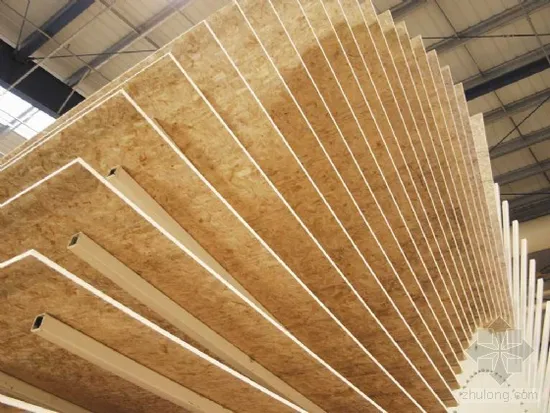
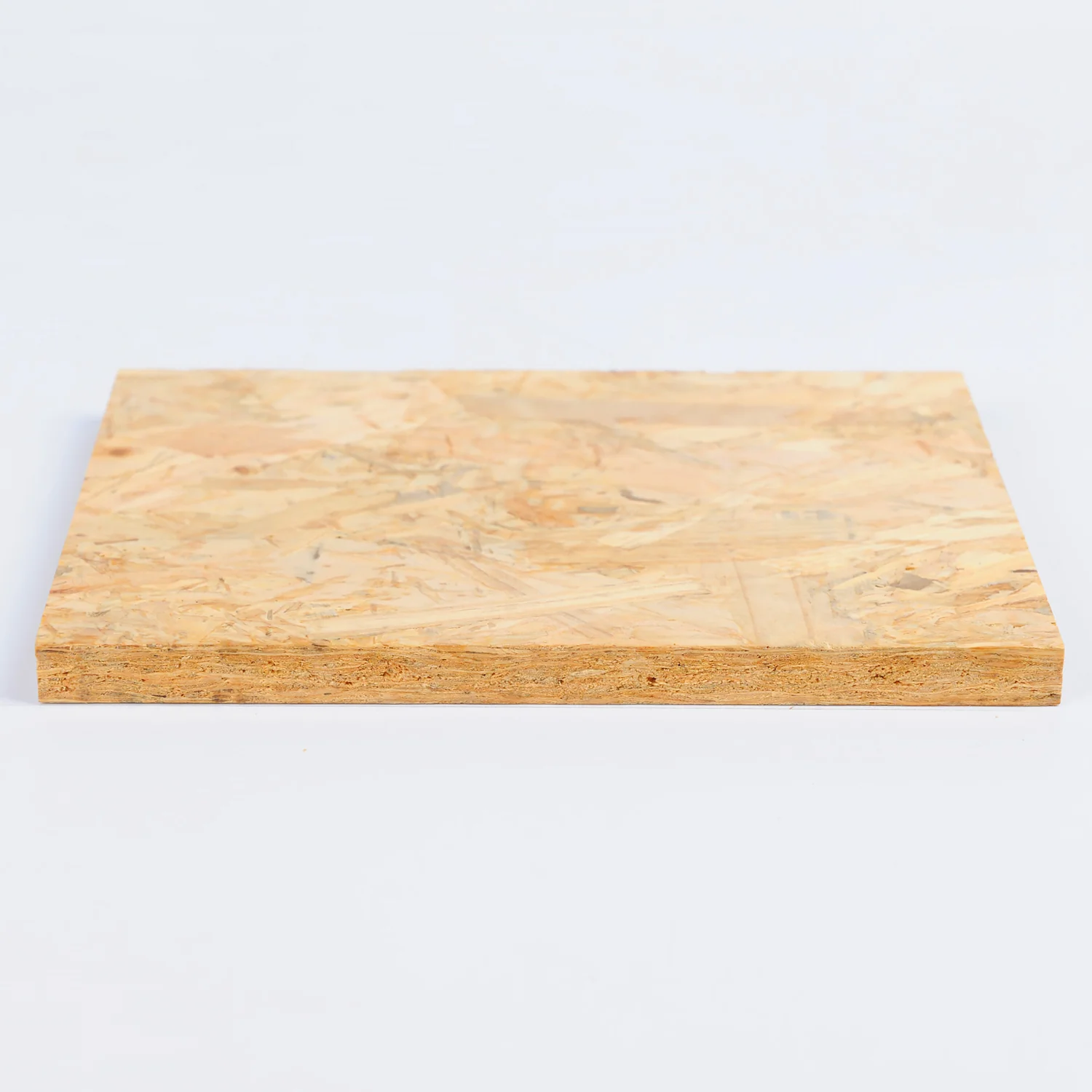
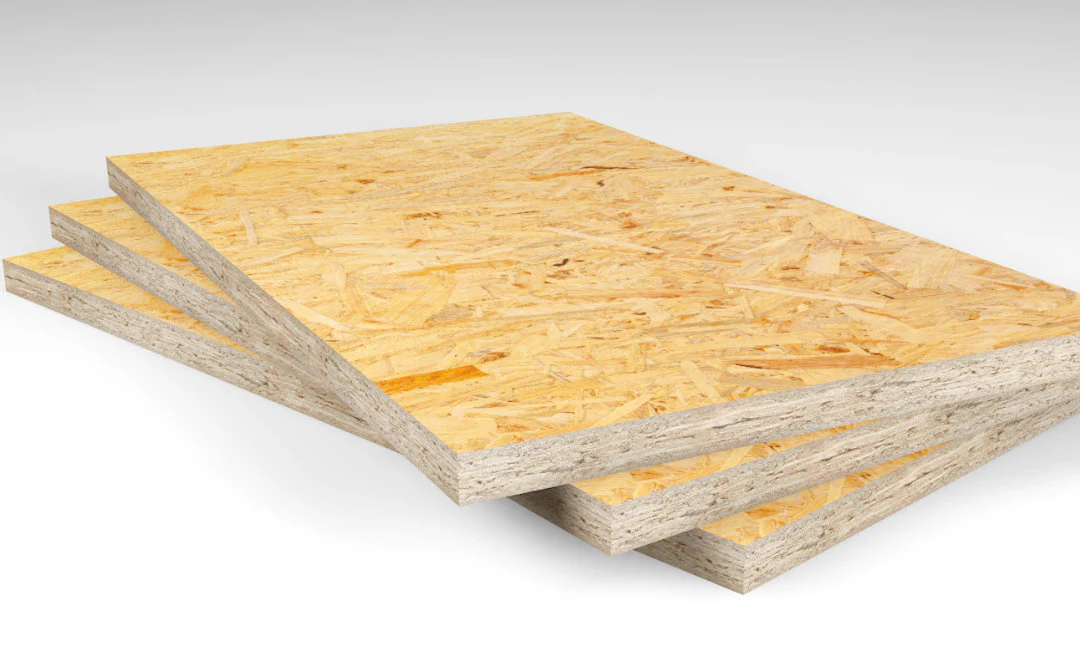
OSB Board — Housing systems & modular construction is an oriented strand board engineered panel designed for structural sheathing, subflooring, roof decking, and prefabricated modular components across residential and light-commercial construction. Manufactured from bonded wood strands under heat and pressure with moisture-resistant adhesives, it delivers high strength-to-weight performance and dimensional stability for rapid, repeatable building assemblies. The primary value proposition is cost-effective structural performance and uniformity that accelerates assembly, reduces labor and waste, and enables scalable off-site modular production. Strategically, OSB is critical to global housing and modular construction supply chains because it balances affordability, engineered reliability, and large-scale availability—making it a preferred engineered wood substrate for volume builders, panelizers, and systems integrators.
-
Key Specifications & Technical Characteristics
-
Material composition: Oriented wood strands (fast-growing softwoods such as pine/poplar/spruce), phenolic or polymeric isocyanate (PMDI) or MDI resin binders, wax for moisture resistance.
-
Grades/standards: Compliant with EN 300 (Europe) / PS2 or APA/PRP-108 (North America) / ISO manufacturing quality systems where specified.
-
Structural grades: OSB/3 and OSB/4 available for load-bearing, humidity-exposed applications.
-
Typical thickness range: 6 mm to 25 mm (custom thicknesses available on request).
-
Panel dimensions: Standard 1220 x 2440 mm (4′ x 8′), 1220 x 3050 mm (4′ x 10′), custom lengths available.
-
Density: Typical 600–650 kg/m³ (varies by grade and resin content).
-
Mechanical properties: Bending strength and stiffness optimized by strand orientation; uniform panel properties across production batches.
-
Moisture resistance: Wax-treated strands plus water-resistant resin; OSB/3 and OSB/4 rated for humid conditions and short-term water exposure.
-
Surface: Smooth, sanded or roughened finish options to suit lamination, cladding or direct fastening.
-
Edge treatments: Square or tongue-and-groove jointing available for flooring and modular panel assemblies.
-
Fire performance: Options for fire-retardant treatments to meet regional code requirements (specify on inquiry).
-
Formaldehyde/emissions: Low-emission panels available (CARB Phase 2 / E0 / E1 equivalents) on request.
-
Packaging: Palletized, shrink-wrapped, and banded; protective corner guards and waterproof pallet covers for export shipments.
-
Shelf life/storage: Stable under dry storage conditions; recommended covered, ventilated storage; prolonged exposure to wet conditions not advised without protective treatment.
-
Core Industrial Applications
-
Off-site modular construction: Panelized wall, floor and roof modules where dimensional uniformity and fast mechanical fastening reduce on-site labor and cycle time.
-
Residential volume builders: Sheathing and subfloor systems that deliver predictable structural performance and cost-efficiency versus plywood at scale.
-
Light-commercial and temporary structures: Rapidly deployable decking, partitioning and roofing panels for tenant fit-outs, site offices, and event structures.
-
Manufactured housing and mobile units: Lightweight, high-stiffness panels that meet transport and assembly constraints while minimizing waste.
-
Flooring systems: Tongue-and-groove OSB panels for subfloors under finished flooring in low- to mid-rise buildings.
-
Component manufacturing: Laminated panels, furniture substrates, and composite sandwich constructions where consistent panel flatness and bond quality matter.
Why it outperforms alternatives: Compared with traditional plywood, OSB offers more consistent mechanical properties due to engineered strand orientation and automated production controls, typically at a 10–30% lower material cost depending on region. Its large-panel formats and edge-joining options reduce installation time and site waste, improving whole-project productivity and unit economics.
-
Competitive Advantages
-
Quality consistency: Continuous, automated production and inline testing ensure tight tolerances for thickness, density and mechanical performance across batches.
-
Supply reliability: Scalable production with regional mill partnerships and forward inventory programs to support large, repeatable orders for project pipelines.
-
Logistics capability: Standardized palletization, export-grade packaging, and coordinated container loading to optimize containerization and reduce freight damage.
-
Price competitiveness: Economies of scale and regional sourcing lower unit cost versus specialty substrates, enabling competitive bids on large projects.
-
Sustainability: Manufactured from certified sustainable fast-growing timber sources and optimized material yield; recyclable at end-of-life; low-emission panel options for green building certification.
-
Technical support: Engineering datasheets, structural design values, fixing and installation guides, and on-request BIM/CAD files for integration into off-site manufacturing and design workflows.
Positioning: Purchase decisions should consider OSB as a strategic primary substrate that reduces total installed cost, improves off-site manufacturing throughput, and mitigates variability common with natural plywood.
-
Commercial & Supply Information
-
Minimum order quantity (MOQ): BULK 20 MT.
-
Typical container loading: Approximately 18–20 metric tonnes per 20′ container (depending on panel thickness and packaging), up to 22–24 metric tonnes per 40′ HC container where local weight limits allow.
-
Lead times: Standard lead times depend on order size and destination—contact sales for firm ETAs and fill-rate commitments.
-
Customization: Thicknesses, panel dimensions, edge profiles, surface finish, fire retardant or low-emission treatments available with MOQ confirmations.
-
Documentation: Mill test certificates, compliance statements (CARB/EN/APA), packing lists, and export documentation supplied per shipment.
Reviews
There are no reviews yet.