
Description
-
Product Overview
Fenpicoxamid (natural-derived fungicide, high-cost fermentation route) is a precision-mode fungicidal active ingredient produced via advanced fermentation and downstream refinement. Its primary industrial use is as a high-performance crop protection active for controlling key foliar and seed-borne fungal pathogens in high-value row crops and specialty agriculture. The key value proposition is laboratory-grade efficacy combined with consistent, scalable supply from an industrial fermentation route that yields a product suitable for formulation into end-use professional fungicides. Fenpicoxamid is strategically important for integrated pest management (IPM) programs and resistance-management portfolios, offering an alternative site-of-action for customers seeking long-term disease control and regulatory-compliant solutions.
-
Key Specifications & Technical Characteristics
-
Chemical identity: Fenpicoxamid (IUPAC-based active ingredient, natural-derived via fermentation).
-
CAS/conventional identifier: Provided on commercial COA and SDS upon inquiry.
-
Chemical composition: Primary active ingredient concentration per batch (technical grade); residual fermentation matrix removed to specification.
-
Purity/grade: Technical-grade, typical purity ≥ 960 g/kg (96% w/w) — final specification confirmed on Certificate of Analysis.
-
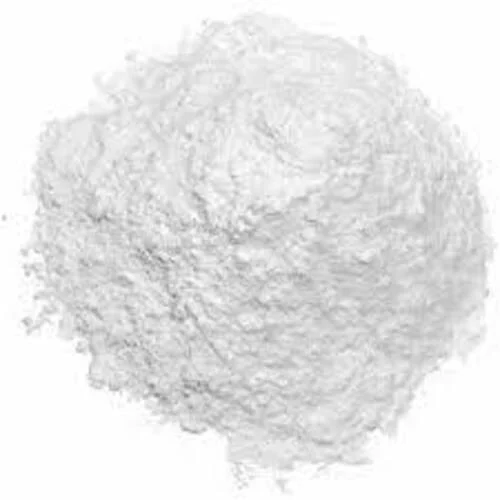
Physical form: Off-white to pale-beige crystalline powder or microcrystalline solid.
-
Particle characteristics: Median particle size distribution suitable for suspension concentrate (SC) and emulsifiable concentrate (EC) formulations; D50 typically specified on batch COA.
-
Bulk density: Typical bulk density range 0.45–0.70 g/cm³ (packed), tested per batch.
-
Solubility: Low water solubility, compatible with standard formulation chemistries (SC, EC, WDG), formulation guidance provided.
-
Moisture content: Controlled to specification (< 1.5% w/w) to ensure storage stability.
-
Impurities: Specified and controlled per ICH/GMP-like quality standards; heavy metals and microbial load within acceptable limits for agrochemical technicals.
-
Packaging options:
-
25 kg high-density polyethylene (HDPE) lined drums (internal liner), palletized and stretch-wrapped.
-
500 kg composite IBCs or 1,000 kg bulk flexible intermediate bulk containers (FIBCs) for bulk customers.
-
20 MT bulk shipments available per order (see MOQ).
-
-
Shelf life: 24 months when stored unopened in original packaging under cool, dry conditions (≤ 25 °C, away from direct sunlight). Stability data available on request.
-
Documentation: Full Certificate of Analysis (COA), Safety Data Sheet (SDS), Technical Data Sheet (TDS), and regulatory dossier excerpts available to qualified buyers.
-
Core Industrial Applications
-
Primary industries: Agricultural chemical formulators, crop protection manufacturers, seed-treatment producers, and specialty spray service providers.
-
Operational use cases:
-
Formulation into professional fungicide end-products (SC, EC, WDG) for cereal, vegetable, and fruit crops.
-
Inclusion in seed-treatment blends targeting seed-borne and early-season pathogens.
-
Integration into IPM programs and rotational fungicide schemes to manage resistance.
-
-
Why it outperforms alternatives:
-
Distinct mode-of-action offering control of a broad spectrum of foliar pathogens, reducing reliance on existing classes and mitigating cross-resistance.
-
High intrinsic efficacy enables lower active rates per hectare versus legacy actives, improving per-treatment performance.
-
Fermentation-derived production provides consistent impurity profiles and reproducible batch-to-batch activity versus less-controlled synthetic routes.
-
-
Practical commercial relevance: Enables formulators to develop premium, differentiated products that meet grower demand for effective, resistance-aware disease control while supporting regulatory approval pathways in multiple jurisdictions.
-
Competitive Advantages
-
Quality consistency: Produced under controlled fermentation and GMP-like downstream processes with batch COA for every shipment to ensure uniform active content and impurity control.
-
Supply reliability: Industrial-scale fermentation capacity and multi-batch scheduling support predictable lead times and ability to scale volume for seasonality.
-
Logistics capability: Global export-ready packaging, supported export documentation, and expertise in chemical logistics for refrigerated or standard shipping as required. Container loading and bulk handling protocols provided to minimize handling losses.
-
Price positioning: Premium technical priced to reflect high-cost fermentation route and superior performance; competitive on cost-per-hectare when accounting for lower application rates and extended control. Volume pricing and long-term contract pricing available for strategic buyers.
-
Sustainability benefits: Fermentation-based manufacturing reduces reliance on multi-step petrochemical synthesis, with opportunities to demonstrate lower upstream greenhouse gas intensity; manufacturing waste streams are treated per environmental compliance standards.
-
Technical support: Formulation guidelines, stability/compatibility data, mode-of-action documentation, and regulatory support packages provided. Access to agronomic data and field efficacy studies available to commercial partners.
-
Commercial & Supply Information
-
Minimum order quantity (MOQ): BULK 20 MT.
-
Typical packing options: 25 kg drums, 500–1000 kg IBCs/FIBCs; palletized or loose-loaded per buyer preference.
-
Loading capacity (MT per container):
-
20-foot container (FCL): up to 20 MT (palletized drums or bulk FIBC configuration) depending on packing selection and local loading rules.
-
40-foot container (FCL): up to 24–26 MT for palletized drums or up to 25–28 MT in optimized FIBC bulk loading, subject to packaging and weight limits.
-
-
Lead times: Standard lead time and allocation provided on inquiry; seasonal production windows and TBAs for long-term contracts.
-
Payment & contracts: Export-standard commercial terms, incoterms negotiable; volume discounts and annual supply agreements available for strategic sourcing partners.

Reviews
There are no reviews yet.