

Description
-
Product Overview
Urea Phosphate TC is a crystalline, water-soluble fertilizer-grade compound combining urea and phosphoric acid to deliver concentrated nitrogen and phosphorus in a single, highly plant-available formulation. Its primary industrial use is as a soluble phosphate and nitrogen source for fertigation, foliar feeding, hydroponics, and specialty fertilizer blending where rapid nutrient uptake and precise dosing are required. The key value proposition is fast solubility with high nutrient-use efficiency, enabling lower application rates, reduced nutrient lock-up, and measurable crop response. Strategically, Urea Phosphate TC addresses global demand for efficient, precision-applied nutrients in high-value cropping systems and protected agriculture, improving yield per input and supporting supply-chain rationalization for commercial growers and fertilizer formulators.
-
Key Specifications & Technical Characteristics
-
Chemical composition: Urea monohydrate reacted with orthophosphoric acid; main constituents: Urea (source of N) and monobasic phosphate (H2PO4–) as P2O5.
-
Nominal nutrient analysis: Typical total nitrogen (N) and phosphorus pentoxide (P2O5) values (specifications customizable by lot and contract).
-
Purity / grade: Technical/industrial grade (TC) with controlled impurity profile suitable for fertigation and industrial blending.
-
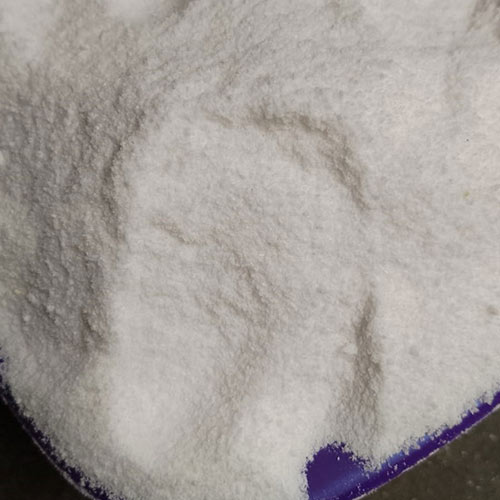
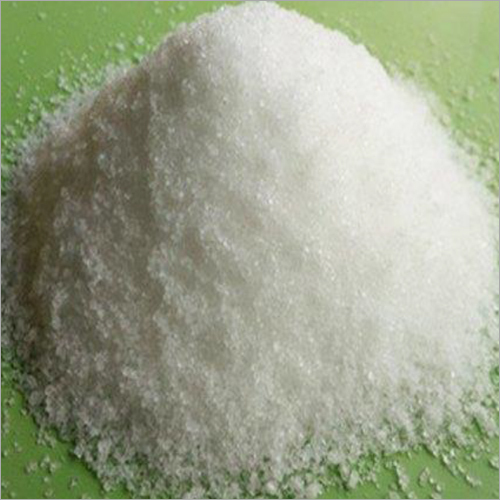
Physical form: Crystalline, free-flowing granules or dense prills (form dependent on manufacturing run).
-
Solubility: Rapidly and completely soluble in water at standard mixing temperatures; minimal residue when correctly dissolved.
-
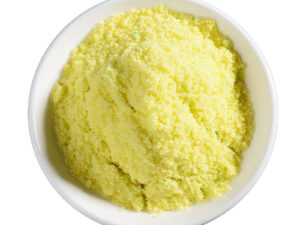
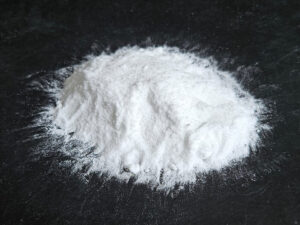
Color and appearance: White to off-white crystalline solid.
-
Particle size: Typical distribution engineered for rapid dissolution (custom sieves available on specification).
-
Bulk density: Representative bulk density available on request; optimized for container loading and handling.
-
pH of 1% solution: Acidic, consistent with phosphate presence — pH stability data available on request.
-
Impurities: Low chloride and sodium; heavy metals and toxic impurities tested to industrial thresholds.
-
Packaging options: 25 kg woven polypropylene bags with PE liner, 500 kg FIBCs (big bags), bulk loose for pneumatic loading, and ISO-tank solutions for liquid variants.
-
Shelf life / storage stability: Stable under dry, cool conditions for 12–24 months; hygroscopic—store sealed and protected from moisture.
-
Certification & testing: Batch certificate of analysis (CoA), traceable lot numbers, optional third-party testing available upon request.
-
Core Industrial Applications
-
Primary industries: Commercial agriculture (open-field high-value crops), greenhouse and protected agriculture, fertigation service providers, hydroponic systems integrators, specialty fertilizer formulators, and industrial nutrient distributors.
-
Operational use cases:
-
Fertigation: Rapid nutrient dosing through drip and sprinkler systems where complete solubility and low particulate load are critical.
-
Foliar nutrition: Water-soluble feed for quick correction of phosphorus and nitrogen deficiencies.
-
Hydroponics and substrate culture: Controlled, pH-compatible phosphate delivery for recirculating nutrient solutions (when formulated per system parameters).
-
Blending feedstocks: Intermediate for producing complex NPK blends or starter fertilizers where acid phosphate activity improves solubility.
-
-
Why it outperforms alternatives:
-
Higher plant-available phosphate per unit compared with many solid phosphate fertilizers due to monobasic phosphate chemistry.
-
Rapid dissolution reduces system clogging and enables accurate dosing, lowering operational downtime.
-
Synergistic N-P pairing reduces the need for multiple inputs and simplifies logistic footprints.
-
Lower fixation risk in soil compared with some alkaline phosphate sources, increasing applied nutrient recovery.
-
-
Competitive Advantages
-
Quality consistency: Manufactured under controlled conditions with lot-to-lot CoAs and strict impurity limits to ensure predictable agronomic performance.
-
Supply reliability: Scalable production and contractual supply chains designed for continuous bulk export (20 MT+ bulk handling) and scheduled deliveries to major growing regions.
-
Logistics capability: Compatible with standard containerized and bulk shipping, support for FIBC and palletized bag shipments, and documented handling instructions to minimize transit losses.
-
Price competitiveness: High nutrient density reduces cost-per-nutrient delivered and lowers total landed cost through consolidated shipments and reduced application frequency.
-
Sustainability benefits: By improving nutrient-use efficiency and reducing over-application, this product can lower greenhouse gas intensity per tonne of crop produced; available sourcing documentation for sustainability programs on request.
-
Technical support: Full technical datasheets, agronomic guidance for application rates and compatibility charts, batch CoAs, and responsive technical account management for integration into fertigation and blending operations.
-
Commercial & Supply Information
-
Minimum order quantity (MOQ): BULK 20 MT
-
Loading capacity (MT per container): Typical 20-foot container (bulk/bagged) loading up to ~20–22 MT depending on packaging; 40-foot containers up to ~24–26 MT; FIBC and pallet configurations optimized per customer logistics (final loading plan confirmed at order).
-
Commercial terms: Available on EXW, FOB, CIF, or DAP by negotiation; lead times subject to contract volume and current production schedule.
-
Documentation: Proforma invoice, commercial invoice, packing list, certificate of analysis, safety data sheet (SDS), and export compliance documentation provided with each shipment.
Reviews
There are no reviews yet.