
Description
1. Product Overview
Antioxidant Feed Stabilizer is a high-performance additive engineered to protect animal feed and premix formulations from oxidative degradation. Its primary industrial use is extending shelf life, preserving nutritional value, and preventing rancidity in fats, oils, vitamins, and pigments within compound feeds. The key value proposition is maximizing feed stability and efficacy, which reduces waste, safeguards animal health, and improves feed conversion ratios for producers. Beta-glucosidase activity is not a primary function; this stabilizer is strategically important because feed oxidation is a leading cause of nutrient loss and economic damage across the global livestock and aquaculture sectors.
2. Key Specifications & Technical Characteristics
- Chemical Composition: Synergistic blend of synthetic antioxidants including BHT (Butylated Hydroxytoluene), BHA (Butylated Hydroxyanisole), Ethoxyquin, and chelating agents with propyl gallate, carried on an inert silica or calcium carbonate matrix
- Purity Level / Grade: Feed Grade; Active antioxidant content ≥ 60%; Compliant with EU Regulation 1831/2003, FDA 21 CFR 573.380, and FAMI-QS standards
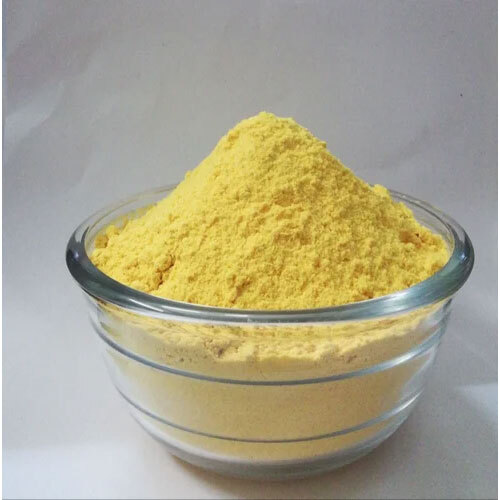
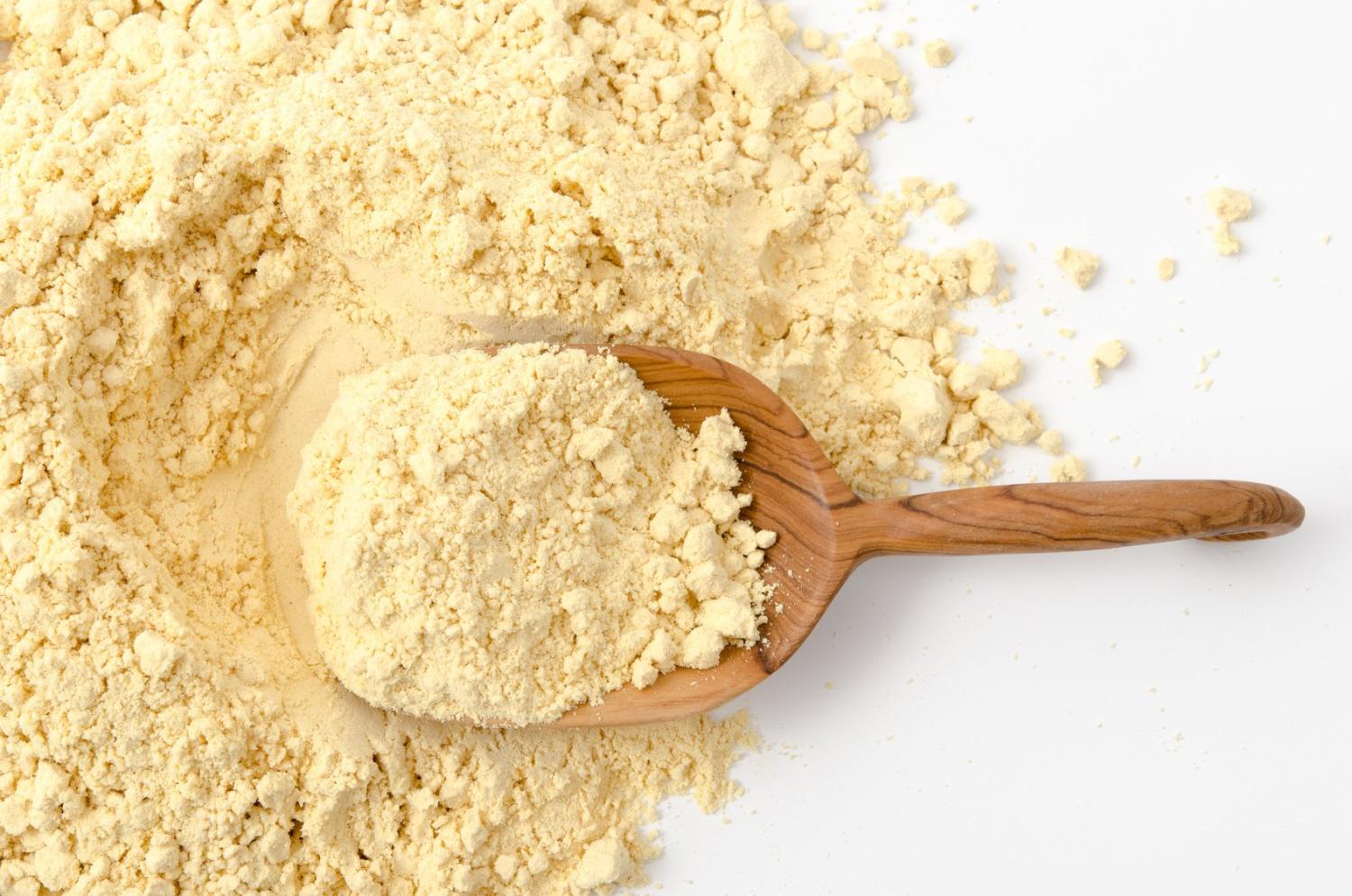
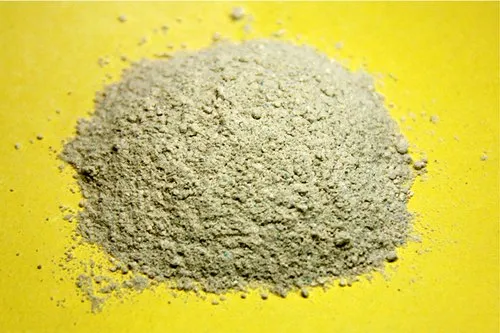
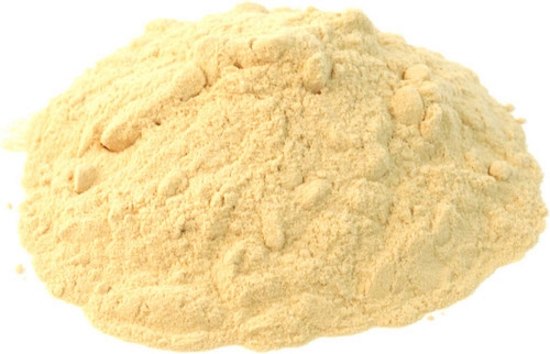
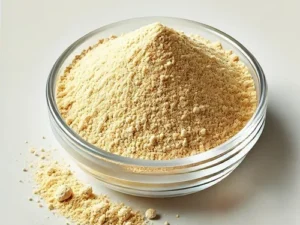
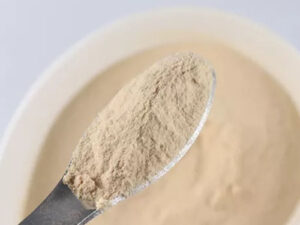
- Physical Characteristics: Free-flowing powder or granular form; Light tan to off-white color; Particle size 80% through 40-80 mesh; Bulk density 0.5-0.7 g/cm³; Low dust formulation
- Packaging Options: 25 kg multi-layer kraft paper bags with PE liner; 500 kg or 1000 kg FIBC jumbo bags; Custom packaging available for contract volumes
- Shelf Life: 24 months from date of manufacture when stored in original unopened packaging below 30°C in a dry, ventilated environment
3. Core Industrial Applications
- Primary Industries: Compound animal feed manufacturing, premix and concentrate production, pet food, aquaculture feed, rendering and fat processing, oilseed meal processing
- Specific Operational Use Cases: Stabilization of high-fat diets for poultry and swine, protection of Vitamin A, D, E, and carotenoids in vitamin premixes, preservation of fishmeal and fish oil in aquafeed, oxidation control in meat and bone meal
- Performance Advantages: Outperforms single-component antioxidants through synergistic action, delivering broader protection across multiple oxidation pathways. Maintains feed palatability and prevents peroxide formation that degrades amino acids and vitamins
- Efficiency & Cost Advantages: Low inclusion rate of 125-250 g/MT delivers measurable extension of oxidative induction time. Reduces customer rejection rates, storage losses, and frequency of feed reprocessing, lowering total cost per ton of protected feed
4. Competitive Advantages
- Quality Consistency: Manufactured under ISO 22000 and GMP+ certified processes with batch-to-batch CoA traceability and guaranteed active content uniformity
- Supply Reliability: Dedicated production lines with 15,000 MT annual capacity; 98.5% on-time delivery record across 40+ export markets
- Logistics Capability: Strategic stocking points in Rotterdam, Singapore, and Houston; Dangerous goods compliant documentation; Full container and LCL flexibility
- Price Competitiveness: Integrated raw material sourcing and scale economics enable stable, contract-based pricing insulated from short-term commodity volatility
- Sustainability Benefits: Reduces feed waste and associated carbon footprint; Formulations available without ethoxyquin for markets with regulatory restrictions; Dust-controlled production minimizes environmental impact
- Technical Support: Full regulatory dossier, stability studies, and compatibility testing available; In-house nutritionists provide inclusion-rate optimization and shelf-life protocols
5. Commercial & Supply Information
- Minimum Order Quantity (MOQ): BULK 20MT
- Loading Capacity (MT per container): 20 MT per 20ft FCL
Reviews
There are no reviews yet.