
Description
1. Product Overview
L-Arginine is a high-purity, conditionally essential amino acid manufactured for industrial-scale applications in pharmaceutical intermediates, nutritional formulations, and specialty chemical synthesis. Its primary industrial use lies in serving as a critical precursor for nitric oxide production and protein synthesis across therapeutic and performance nutrition sectors. The key value proposition is enabling consistent, GMP-grade supply for regulated industries requiring validated biological activity and traceability. Strategically, L-Arginine is increasingly vital as global demand for cardiovascular health ingredients and advanced wound care solutions outpaces generic amino acid supply chains.
2. Key Specifications & Technical Characteristics
-
Chemical composition: L-Arginine base (C₆H₁₄N₄O₂); CAS 74-79-3; molecular weight 174.20 g/mol
-
Purity grade: Pharmaceutical grade (≥99.0% by dried basis); also available in Food grade and Feed grade
-
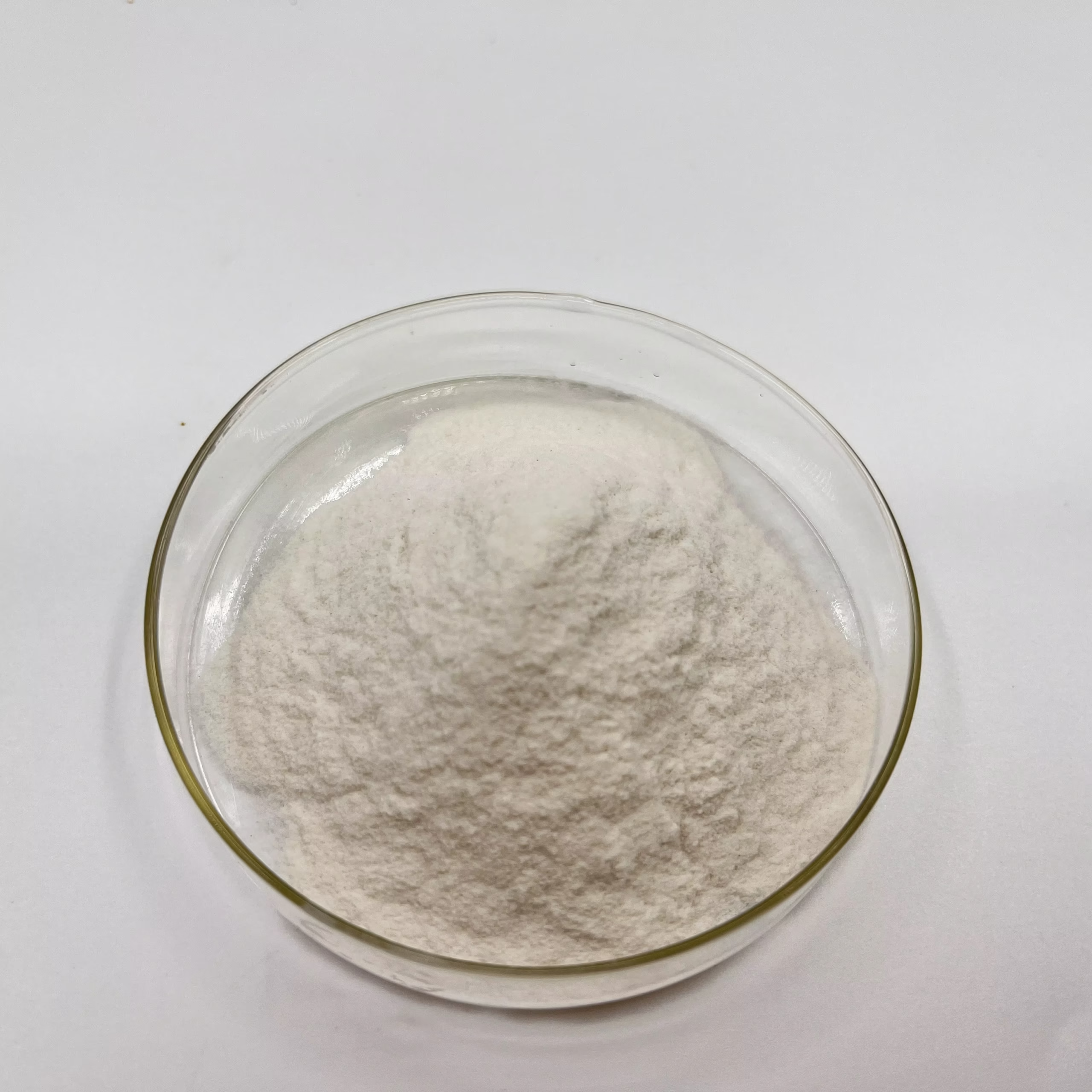
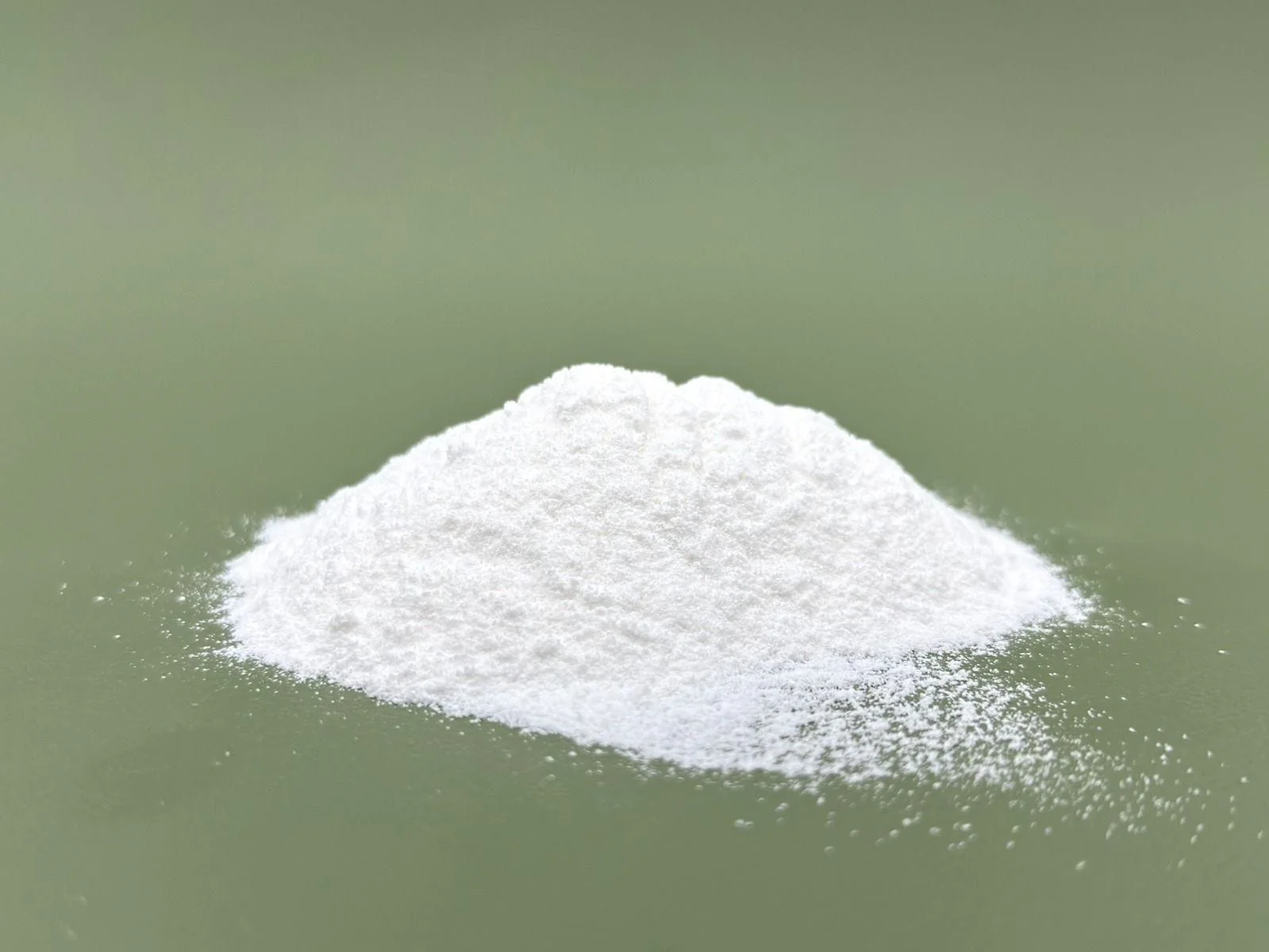
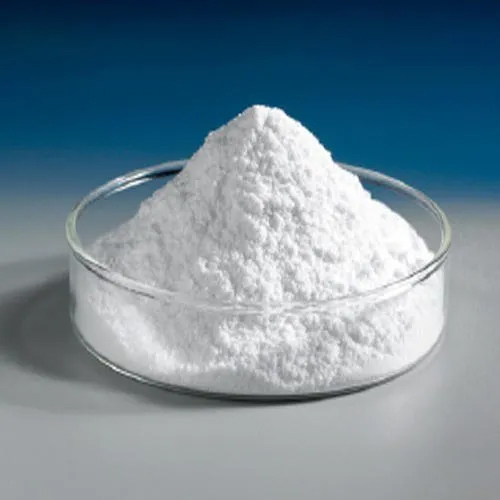
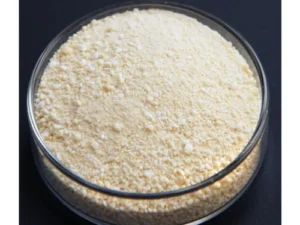
Physical characteristics: White crystalline powder; typical particle size D90 80–150 µm; bulk density 0.55–0.65 g/mL; odorless with characteristic slight bitter taste
-
Packaging options: 25 kg multi-wall kraft paper bags with inner PE liner; 500 kg FIBCs; custom IBC totes for liquid pre-solutions
-
Shelf life: 36 months from date of manufacture when stored in original unopened packaging at 15–25°C, away from direct light and moisture
3. Core Industrial Applications
-
Pharmaceutical intermediates: Used in IV infusion solutions for metabolic support in sepsis and critical care – outperforms alternative amino acids due to superior nitric oxide substrate activity.
-
Sports nutrition & dietary supplements: Formulated into pre-workout powders and RTD beverages – preferred over citrulline or ornithine for direct urea cycle intervention at lower active doses.
-
Animal feed (swine & poultry): Added to weanling piglet diets to reduce nitrogen excretion and improve gut integrity – demonstrates 12–15% better feed conversion ratio compared to standard protein supplementation.
-
Specialty wound care: Incorporated into collagen matrices and hydrogels – delivers documented angiogenesis acceleration that generic proline/lysine blends cannot replicate.
Efficiency advantage: Direct metabolic pathway engagement reduces required dosage by 25–30% versus prodrug or esterified arginine variants.
4. Competitive Advantages
-
Quality consistency: Batch-to-batch coefficient of variation (CV) <1.5% for purity and optical rotation; full HPLC and heavy metals traceability per USP/EP/BP monographs.
-
Supply reliability: Dual-sourced fermentation from non-animal, non-GMO corn-based feedstock – eliminates gelatin-derived contamination risks.
-
Logistics capability: Regional warehousing in North America, EU, and Southeast Asia enabling 5-day average lead time for contract buyers.
-
Price competitiveness: Vertically integrated manufacturing removes tolling intermediaries – pricing model tied to corn syrup and energy indices, not speculative amino acid spot markets.
-
Sustainability: Zero liquid discharge (ZLD) production process; 98% solvent recovery; available with ISCC PLUS mass balance certification.
-
Technical support: Dedicated application labs for dissolution profiling, compaction studies, and stability protocol development; CoA, MSDS, and allergen statements delivered digitally via API.
5. Commercial & Supply Information
-
Minimum order quantity (MOQ): BULK 20 metric tons (20MT) per product grade per shipment
-
Loading capacity: 20 MT per 20-foot dry container (18–20 pallets, 1–1.2 MT per pallet); up to 24 MT in high-cube 40-foot container using FIBCs
Reviews
There are no reviews yet.