
Description
1. Product Overview
L-Tryptophan is an essential amino acid manufactured via high-purity fermentation, serving as a critical precursor to serotonin, melatonin, and niacin (vitamin B3). Its primary industrial use is as a nutritional additive and feed supplement, driving growth performance, stress reduction, and improved feed efficiency in monogastric animals, as well as serving pharmaceutical and functional food formulations. The key value proposition lies in its ability to cost-effectively replace up to 20–30% of dietary crude protein while maintaining nitrogen retention and animal welfare standards. Strategically, L-Tryptophan is indispensable for the global animal nutrition sector amid tightening protein supply chains and regulatory pressure on low-emission farming.
2. Key Specifications & Technical Characteristics
-
Chemical composition: L-Tryptophan (C₁₁H₁₂N₂O₂); CAS 73-22-3; molecular weight 204.23 g/mol
-
Purity grade: Feed grade ≥98% (standard) / Pharma grade ≥99.5% (upon request)
-
Physical characteristics:
-
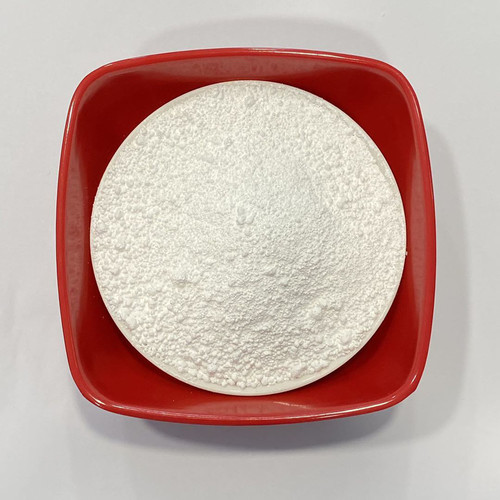
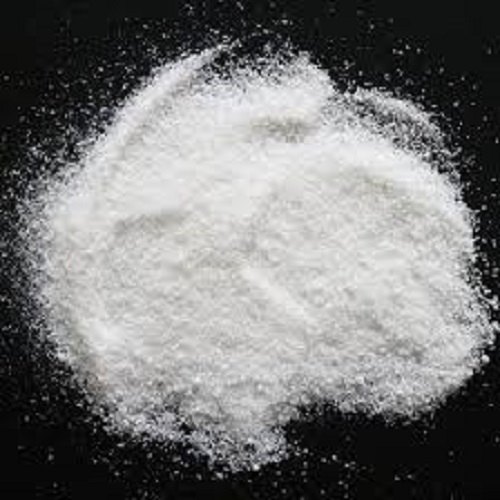
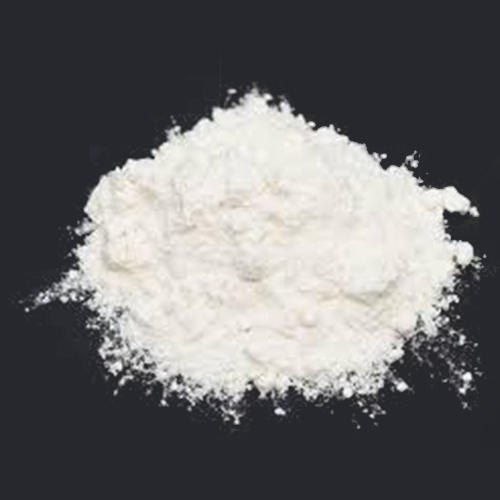
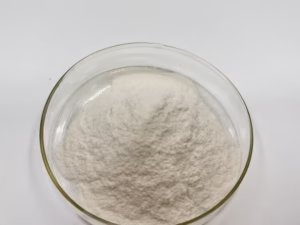
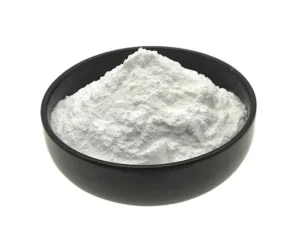
Form: Fine, free-flowing crystalline powder
-
Color: White to off-white
-
Particle size: ≥95% through 80 mesh (180 μm)
-
Bulk density: 550–650 g/L (tapped)
-
-
Packaging options: 25 kg multi-wall kraft paper bags with PE liner; 500 kg FIBC; 1 MT super sacks
-
Shelf life: 24 months in unopened, dry conditions (<25°C, <65% RH)
3. Core Industrial Applications
-
Animal feed (swine, poultry, aquaculture, pet food):
Low crude protein diets – L-Tryptophan enables reduction of soybean meal by 5–8% without compromising growth, lowering nitrogen excretion by 15–25%.
Why better: Superior thermostability (up to 85°C in pelleting) vs. other amino acids; directly improves feed intake via serotonin regulation. -
Pharmaceutical & nutraceutical:
Sleep aids, mood support, and serotonin precursors for prescription and OTC supplements.
Why better: Pharma-grade purity meets USP/EP monographs; no extraneous impurities from chemical synthesis (fermentation-derived). -
Functional foods & medical nutrition:
Enteral formulas for stress, protein malabsorption, or post-surgical recovery.
Why better: Clean label, non-GMO status available; consistent dissolution profile.
4. Competitive Advantages
-
Quality consistency: Batch-to-batch coefficient of variation (CV) <2% via ISO 9001:2025-certified HPLC testing; residual solvents and endotoxins meet EFSA/FDA guidelines.
-
Supply reliability: Back-integrated fermentation with 4 independent bioreactor trains; dual sourcing of raw substrates (corn dextrose / cane molasses).
-
Logistics capability: 24/7 dispatch from three regional hubs (Asia, Europe, North America); real-time blockchain-enabled traceability from lot to delivery.
-
Price competitiveness: Tiered pricing model at 15–20% below European incumbents for ≥20 MT volumes, achieved through enzymatic yield optimization.
-
Sustainability: Carbon footprint reduced by 34% vs. chemical synthesis; zero wastewater discharge in final purification; co-product lysine biomass reused for organic fertilizer.
-
Technical support: On-site formulation modeling (amino acid matrix) provided; stability data under tropical storage (40°C/75% RH for 6 months) available upon NDA.
5. Commercial & Supply Information
-
Minimum Order Quantity (MOQ): BULK 20 metric tons (MT) per product grade
-
Loading capacity: 20 MT per standard 20-foot dry container (18 pallets of 25 kg bags, net weight 20 MT exactly; or 20 FIBC × 1,000 kg)
-
Lead time: 15–20 days ex-warehouse; 30–45 days FOB for contract manufacturing
-
Incoterms preferred: FOB (Shanghai/Rotterdam/Chicago) or CIF major global ports
-
Payment terms: LC at sight or 30% TT advance + 70% against BL copy for qualified buyers
Reviews
There are no reviews yet.