
Description
1. Product Overview
L-Lysine HCl is a high-purity, essential amino acid produced via fermentation, primarily used as a critical feed additive in animal nutrition to optimize protein synthesis and growth performance. Its primary industrial application lies in swine, poultry, and aquaculture feeds, where it addresses dietary lysine deficiencies in cereal-based formulations. The key value proposition is enabling cost-effective, low-crude-protein diets without compromising weight gain or feed efficiency, making it strategically vital for global producers facing volatile soybean meal prices and tightening environmental regulations on nitrogen emissions.
2. Key Specifications & Technical Characteristics
-
Chemical Composition: L-Lysine monohydrochloride (C₆H₁₄N₂O₂·HCl)
-
Purity Level: ≥98.5% (feed grade), ≤1% loss on drying
-
Physical Characteristics:
-
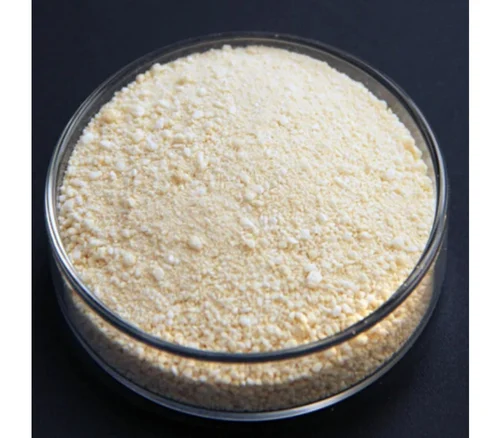
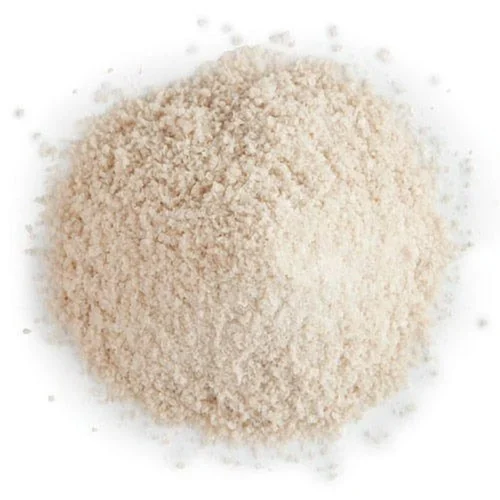
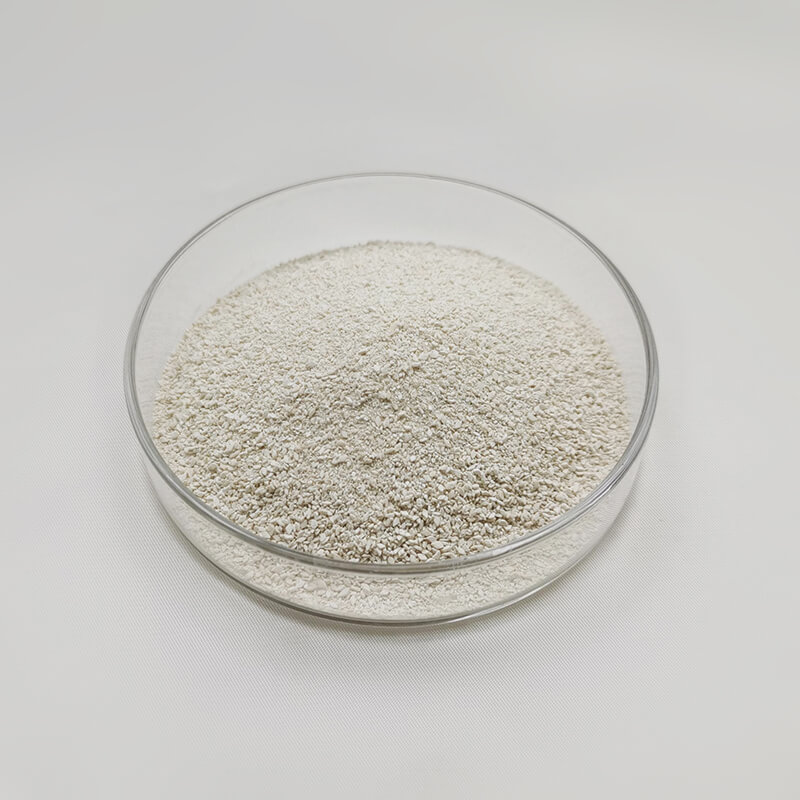
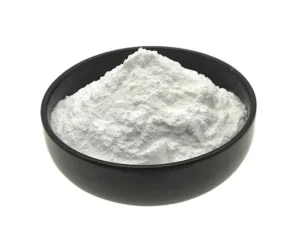
Form: Free-flowing, fine granular to micro-prilled powder
-
Color: White to light yellow
-
Particle size: 95% through 40 mesh (customizable)
-
Bulk density: 600–700 kg/m³
-
-
Packaging Options: 25 kg multi-wall paper bags (palletized, 1,000 kg per pallet), 500 kg FIBCs, and bulk tanker for pneumatic loading
-
Shelf Life: 24 months in unopened, dry conditions (<25°C, <65% RH); retains ≥98% activity under standard warehousing
3. Core Industrial Applications
-
Primary industries: Compound animal feed manufacturing, premix producers, aquaculture, pet food
-
Operational use cases:
-
Swine: Low-protein nursery and grower-finisher diets (reduces soy inclusion by 3–5%)
-
Poultry: Broiler and layer feeds to balance amino acid profiles, improving feathering and egg mass
-
Aquaculture: Shrimp and salmon diets where crystalline amino acids enhance digestibility vs. intact protein
-
-
Performance advantage over alternatives:
-
Superior to soybean meal for precision formulation – direct bioavailability eliminates anti-nutritional factors
-
More cost-stable than fishmeal; 1.5× higher lysine content by weight vs. L-Lysine sulfate
-
Enables 2–3% reduction in total dietary crude protein, lowering nitrogen excretion by up to 25% and reducing manure management costs
-
4. Competitive Advantages
-
Quality consistency: ISO 22000 & FAMI-QS certified; each batch verified via HPLC for purity and enantiomeric excess (L-form >99.5%)
-
Supply reliability: Dual fermentation sites (Asia & Europe) with 8,000 MT/month total capacity; 24/7 supply chain control tower
-
Logistics capability: Warehousing in Rotterdam, Houston, and Shanghai; 3-day dispatch for contract buyers
-
Price competitiveness: Fixed quarterly pricing for >100 MT/month buyers; 10–15% below EU spot average due to integrated corn-to-lysine production
-
Sustainability: Product carbon footprint verified (1.8 kg CO₂e per kg) – 40% below industry average using biomass steam and zero-liquid-discharge systems
-
Technical support: Full dossier including stability studies, mixing uniformity guidelines, and custom premix compatibility reports provided upon NDA
5. Commercial & Supply Information
-
Minimum order quantity (MOQ): 20 MT (bulk, mixed lot consolidation available for traders)
-
Loading capacity per 20FT container: 20 MT (1,000 × 25 kg bags on 20 pallets, or 20 × 500 kg FIBCs)
-
Loading capacity per 40FT container: 26 MT (max weight restriction)
-
Lead time: 14 days from confirmed L/C or TT deposit for ex‑works; 28 days CIF major ports
-
Incoterms offered: EXW, FOB, CIF, CFR (per buyer preference)
Reviews
There are no reviews yet.