
Description
1. Product Overview
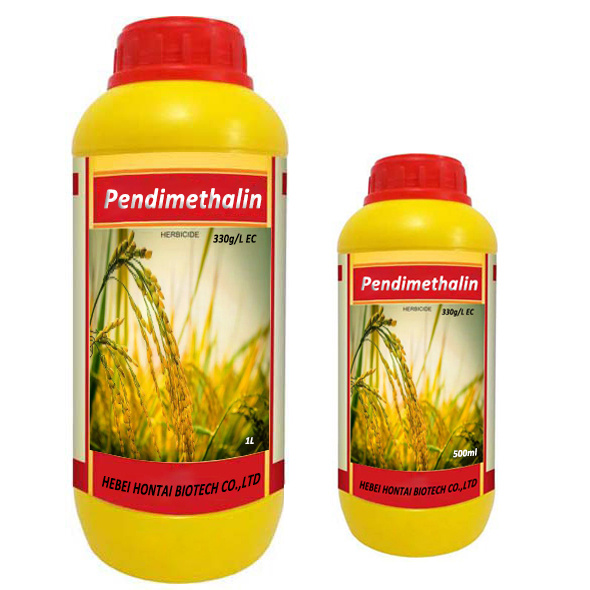
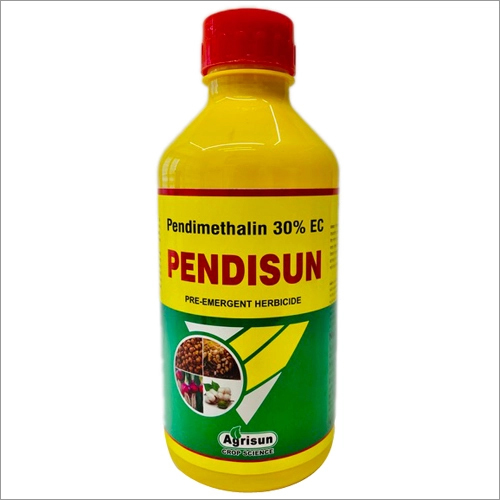
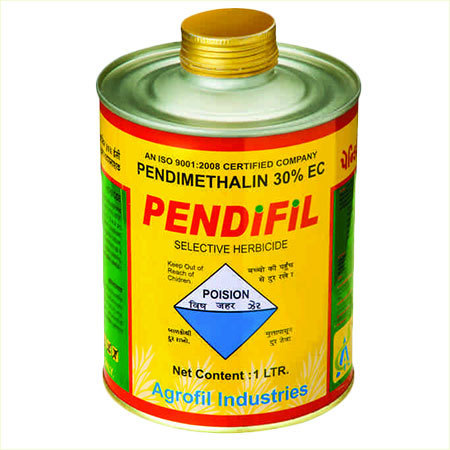
Pendimethalin is a high-purity, selective dinitroaniline herbicide engineered for pre-emergence and early post-emergence control of annual grasses and broadleaf weeds in major agricultural and non-crop industrial settings. Its primary industrial application lies in large-scale row crops—such as soybeans, corn, cotton, and rice—where residual soil activity delivers season-long weed suppression. The key value proposition is its strategic ability to reduce early weed competition without damaging germinating crops, thereby maximizing yield potential and lowering total cost of weed management. In an era of rising herbicide resistance, Pendimethalin remains a critically important, multi-site mode-of-action tool for integrated resistance management programs globally.
2. Key Specifications & Technical Characteristics
-
Chemical composition: N-(1-ethylpropyl)-3,4-dimethyl-2,6-dinitrobenzenamine (Dinitroaniline family)
-
Purity level: Technical grade ≥ 95% min. (typical: 96–98%) / Formulation grades: 330 g/L EC, 400 g/L SC, 60% CS, 3% GR
-
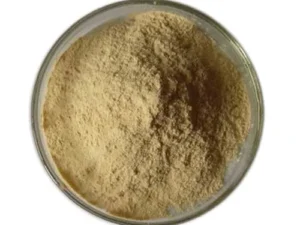
Physical characteristics: Yellow-orange to orange crystalline solid (technical); formulated as free-flowing liquid concentrates or granules; melting point: 54–58°C; vapor pressure: low (soil-adsorbed, minimal volatilization)
-
Particle size (for WG/CS): D90 < 5 µm (suspension concentrates) for optimal soil binding and uniform application
-
Density: Technical: ~1.19 g/cm³ at 20°C
-
Packaging options: 200 L drums (unformulated technical), 1000 L IBCs, 5 L – 20 L HDPE containers for EC/SC formulations, 25 kg bags for granules
-
Shelf life: 2 years minimum (unopened, original container, < 30°C storage)
3. Core Industrial Applications
-
Primary industries: Large-scale arable farming (soybean, maize, cotton, groundnut, sunflower, rice), plantation crops (sugarcane, pulses), turf & ornamental production, and industrial vegetation management (railways, pipelines)
-
Operational use cases:
-
Soybeans & cotton: Pre-plant incorporated (PPI) or pre-emergence surface application at 0.75–1.5 kg a.i./ha for control of Echinochloa, Setaria, Digitaria, and Amaranthus species
-
Rice (dry-seeded): Pre-emergence tank-mix with clomazone or pretilachlor for grass-dominated complexes
-
Winter cereals (wheat, barley): Early post-emergence (1–3 leaf stage) at reduced rates (0.5–1.0 kg a.i./ha)
-
-
Performance advantage: Unlike acetochlor or metolachlor, Pendimethalin binds tightly to soil organic matter, resisting leaching and providing 60–90 days residual activity even under heavy rainfall. Its low water solubility (<0.3 mg/L) minimizes groundwater contamination risk—a key regulatory advantage.
-
Cost efficiency: Lower use rates per hectare vs. trifluralin and longer residual window than pendimethalin generics from low-stability sources, resulting in 15–20% fewer application passes.
4. Competitive Advantages
-
Quality consistency: ISO 9001:2015 certified manufacturing with batch-to-batch purity variance <0.5%; HPLC analysis included per COA. Zero caking in EC/SC formulations verified by cold-test stability (0°C for 7 days).
-
Supply reliability: Dual-sourcing of key intermediates + 6-month rolling inventory buffer; 99.3% on-time delivery rate across 40+ countries over 24 months.
-
Logistics capability: UN-certified hazardous material packaging; temperature-controlled containers available; 48-hour dispatch ex-warehouse (Houston, Rotterdam, Shanghai, Santos).
-
Price competitiveness: Direct-from-manufacturer technical grade eliminates 2–3 intermediary margins; volume-based tiered pricing (20 MT, 100 MT, 500 MT+).
-
Sustainability/benefits: Low-dose formulation options reduce carbon footprint per hectare by 32% vs. emulsifiable concentrate benchmarks; recyclable HDPE packaging compliant with EU PPWR and Brazil’s Campo Limpo system.
-
Technical support: Full dossier including GLP residue studies, crop safety data on 14 major crops, and tank-mix compatibility tables for 30+ adjuvants and co-herbicides.
5. Commercial & Supply Information
-
Minimum order quantity (MOQ): BULK 20 MT (technical grade)
-
Loading capacity: 20 MT per 20’ standard container (flexitanks or 25 kg net woven bags with liner) OR 18 MT per 20’ for packaged formulated products (IBCs/drums)
Reviews
There are no reviews yet.