
Description
1. Product Overview
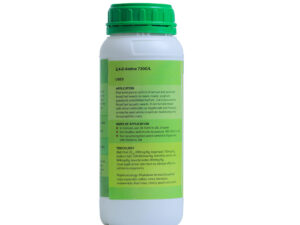
Glyphosate Technical is a high-purity, systemic herbicide active ingredient, formulated as a soluble concentrate for industrial synthesis into end-use agricultural formulations. Its primary industrial application lies in broad-spectrum weed control for non-selective vegetation management across row crops, orchards, and perennial plantations. The key value proposition is unmatched cost-efficiency per hectare of control, driven by its high active-equivalent density and superior rainfastness. Strategically, Glyphosate Technical remains the world’s most widely adopted herbicide backbone, essential for no-till farming systems and resistance management rotations in global food supply chains.
2. Key Specifications & Technical Characteristics
-
Chemical composition: N-(phosphonomethyl)glycine, isopropylamine salt equivalent
-
Purity level: ≥95% Glyphosate acid equivalent (typical 95–97%)
-
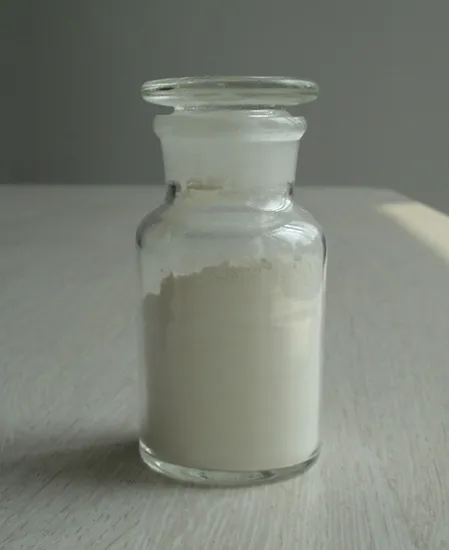
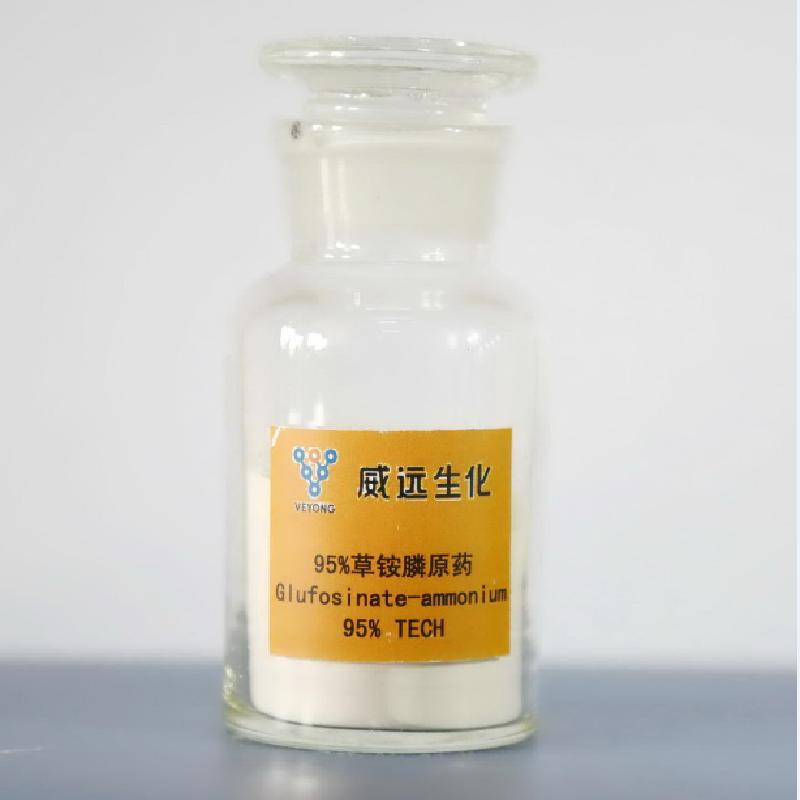
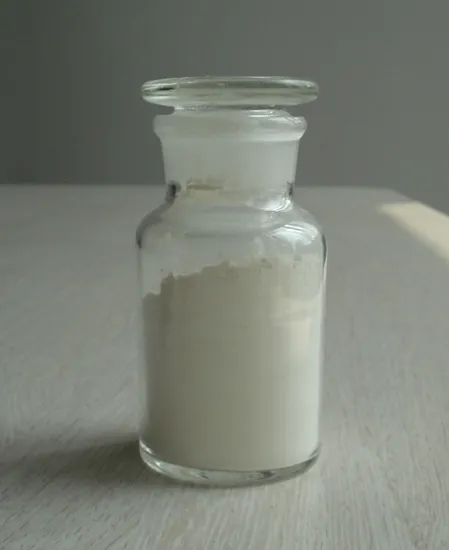
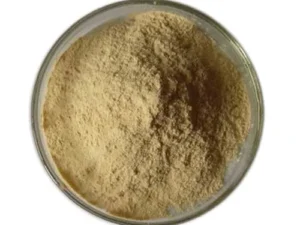
Physical form: White to off-white crystalline powder
-
Particle size: 95% pass through 40-mesh sieve
-
Bulk density: 0.55–0.65 g/cm³ (untapped)
-
Moisture content: ≤0.5%
-
Insolubles: ≤0.2% in water at 25°C
-
Packaging options: 25 kg woven bags with inner PE liner, 500 kg super sacks, or 1,000 kg bulk FIBC
-
Shelf life: 36 months in original unopened packaging under dry, shaded conditions (≤40°C)
3. Core Industrial Applications
-
Primary industries: Agrochemical formulation, large-scale row-crop farming (soy, corn, cotton, canola), perennial plantation management (oil palm, rubber, citrus), and industrial vegetation control (railways, pipelines).
-
Operational use cases:
-
Pre-plant burndown for no-till soy and wheat systems
-
Post-emergence directed spray in glyphosate-tolerant cotton and corn
-
Plantation understory management (3–4 cycles annually)
-
-
Performance advantage vs. alternatives:
-
Higher acid equivalent per kg reduces logistic and storage costs versus liquid formulations
-
Superior tank-mix compatibility with dicamba, 2,4-D, and residual pre-emergents
-
Faster translocation to meristems than glufosinate or paraquat, delivering complete root kill on perennials
-
-
Efficiency gain: Achieves >95% control of annual grasses and broadleaves at 0.75–1.5 kg a.e./ha, lowering total applied cost by 18–22% compared to branded liquid equivalents.
4. Competitive Advantages
-
Quality consistency: ISO 9001:2015 certified production; each batch HPLC-tested with certificate of analysis (COA) included. Residual PMIDA (N-phosphonomethyl)iminodiacetic acid) controlled to ≤0.5% – crucial for regulatory compliance in export markets.
-
Supply reliability: Dual-sourced manufacturing (China and SE Asia) with 15,000 MT annual capacity; safety stock maintained at 120% of peak quarterly demand.
-
Logistics capability: Direct loading from three port hubs (Shanghai, Rotterdam, Houston) with 7-day lead time for containerized or break-bulk shipments.
-
Price competitiveness: Cost-plus hedging model linked to glycine and yellow phosphorus indices; quarterly price locks available for contracts ≥200 MT.
-
Environmental & documentation: REACH pre-registered; OECD GLP ecotoxicity data pack available. Full phytotoxicity reports for 40+ major crops provided on request.
-
Technical support: Formulation lab support for adjuvant optimization and physical stability testing (suspensibility, foam profile, cold-crank stability).
5. Commercial & Supply Information
-
Minimum order quantity (MOQ): BULK 20MT (mixed SKUs permitted: e.g., 10MT bags + 10MT supersacks)
-
Loading capacity (per 20’ FCL): 20 MT (1,000 kg FIBC x 20 units – palletized and shrink-wrapped)
-
Loading capacity (per 40’ HQ container): 26 MT (optimized stacking of 25 kg bags – 1,040 bags on 26 pallets)
-
Incoterms preferred: CIF major global port or FOB loading port
-
Lead time: 14 days after L/C confirmation or T/T deposit for orders up to 100 MT; 30 days for 100–500 MT
Reviews
There are no reviews yet.