
Description
1. Product Overview
Ceramic Matrix Composite Material (CMC-18) is a next-generation, non-oxide structural ceramic engineered for extreme thermal and mechanical load environments, combining high-purity silicon carbide fibers with a proprietary matrix phase. Its primary industrial use is in high-temperature gas turbine components (shrouds, combustor liners, vanes) and advanced aerospace propulsion systems. The key value proposition is a 60% weight reduction versus superalloys while operating at 1,200°C+ without active cooling, enabling higher engine efficiency and lower emissions. Strategically, CMC-18 is critical for industries transitioning from metallic to fully ceramic hot-section architectures, addressing the global mandate for fuel-efficient, low-CO2 propulsion.
2. Key Specifications & Technical Characteristics
-
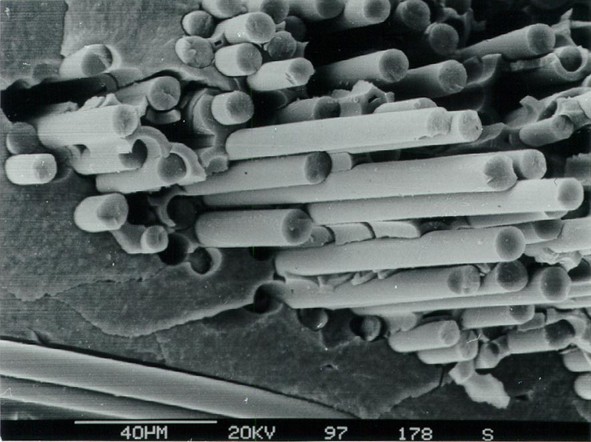
Material Composition: Continuous silicon carbide (SiC) fiber-reinforced silicon carbide matrix; proprietary interface layer (BN/Si-doped) for crack deflection
-
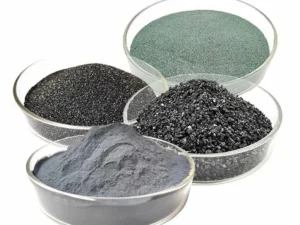
Purity Level: >99.5% crystalline SiC phase; total metallic impurities <500 ppm
-
Physical Characteristics:
-
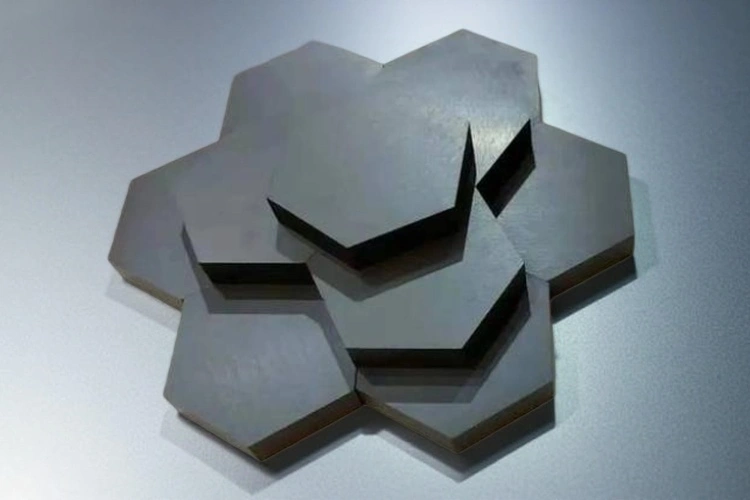
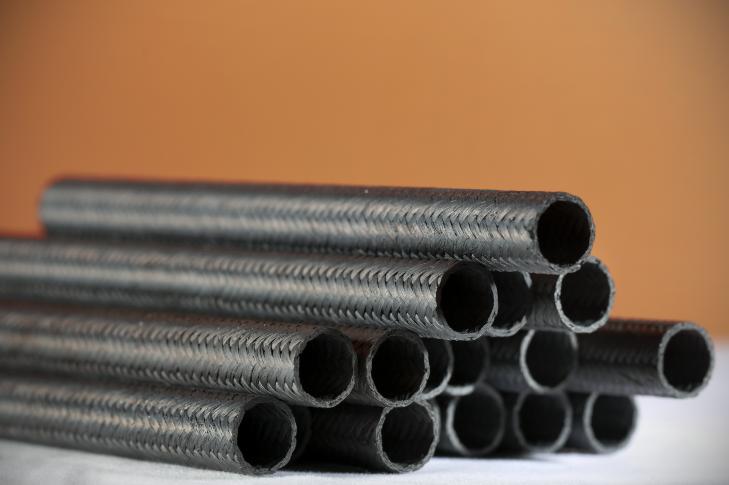
Form: Near-net-shape preforms (available as tiles, rods, or custom 3D woven blanks)
-
Color: Dark gray to black
-
Density: 2.75 – 2.85 g/cm³
-
Fiber volume fraction: 38% – 42%
-
Porosity (closed): 8% – 12%
-
-
Mechanical & Thermal: Flexural strength >350 MPa at RT (250 MPa at 1,200°C); fracture toughness >18 MPa·√m; thermal conductivity 28 W/m·K; max service temperature (oxidation) 1,350°C
-
Packaging Options: Vacuum-sealed ESD-safe polymer bags with desiccant, overpacked in rigid, stackable fiberboard crates (ISO 16103-certified for hazardous material transport – none declared)
-
Shelf Life: 24 months from date of manufacture when stored at <50% RH and 15–25°C (unopened); re-drying protocol available in technical datasheet
3. Core Industrial Applications
-
Primary Industries: Aerospace (jet engines, hypersonic vehicles), stationary gas turbines (power generation), high-performance automotive brake systems, industrial heat treatment furnaces
-
Specific Operational Use Cases:
-
Turbine shrouds & nozzle rings: Replaces Inconel 718; reduces cooling airflow by >30%, increasing turbine inlet temperature (TIT) by 120°C without re-design
-
Combustor liners: Eliminates thermal barrier coating (TBC) spallation failures; extends part life from 8,000 to 25,000+ hours in peaker plants
-
Hypersonic leading edges: Withstands cyclic thermal shock from Mach 5+ to ambient in <10 seconds
-
-
Performance vs. Alternatives: Compared to monolithic ceramics (e.g., SiC or Si3N4), CMC-18 provides non-catastrophic failure (graceful “pseudo-ductile” behavior); against superalloys, it reduces component mass by 55–65% and requires no active cooling above 1,100°C, directly lowering specific fuel consumption (SFC) by 6–9%
-
Cost Advantage: Higher upfront cost ($2,500–4,000/kg) but 3–4x longer lifetime at elevated temperature, reducing maintenance intervals and unplanned downtime by 40% in validated fleet trials
4. Competitive Advantages
-
Quality Consistency: Lot-to-lot mechanical property variation <3% (coefficient of variation) – verified via NIST-traceable ultrasonic testing and computed tomography (CT) scanning for porosity; each master lot includes a 1,200°C creep rupture certification.
-
Supply Reliability: Dual-source raw material agreements (USA and EU-based SiC fiber producers) with 12-month rolling capacity commitment; 98% on-time delivery rate over 18 consecutive quarters.
-
Logistics Capability: Dedicated hazmat-not-required classification; global warehousing nodes (Atlanta, Rotterdam, Shanghai) enabling 5-day emergency shipment to any major turbine OEM.
-
Price Competitiveness: Tiered pricing for contract volumes above 1,000 kg/year – direct comparison models show 12–18% lower total landed cost vs. Japanese or French equivalent CMCs after factoring in lead time and warranty.
-
Sustainability & Technical Support: Production process recovers 94% of machining swarf; full EOL recycling partnership for reclaiming SiC fibers. Included: full metrology package (XRD, SEM/EDS, C-SAM) and engineering advisory for joint design-for-CMC – accessible via secure supplier portal.
5. Commercial & Supply Information
-
Minimum Order Quantity (MOQ): Bulk 20 metric tons (20MT) – equivalent to one standard less-than-container load combined with consolidated secondary ceramics.
-
Loading Capacity: 16 MT per 20-foot dry container (stacked in custom jigs) or 28 MT per 40-foot high-cube container (double-stacked, using reinforced pallets and edge protectors).
-
Lead Time: 10–12 weeks ARO for standard preforms; 18 weeks for bespoke 3D woven shapes (including qualification coupon set). Samples (500g–2kg) available for qualified OEMs under NDA.
Reviews
There are no reviews yet.