
Description
1. Product Overview
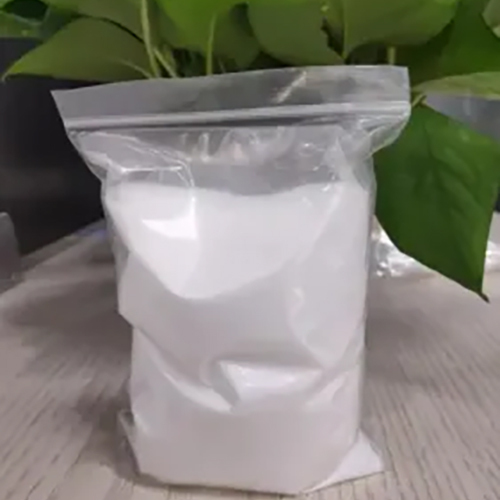
Lithium Hydroxide Monohydrate (LiOH·H₂O) is a high-purity, inorganic chemical compound essential for the production of advanced cathode materials in lithium-ion batteries, particularly nickel-rich chemistries (NCM 811, NCA). Its primary industrial use is as a lithium source for electric vehicle (EV) battery manufacturing, high-performance greases, and carbon dioxide scrubbing systems. The key value proposition is its superior electrochemical performance in high-energy-density batteries compared to lithium carbonate, enabling longer EV range and thermal stability. Strategically, securing reliable LiOH·H₂O supply is critical for OEMs and battery cell producers aiming to meet tightening emissions regulations and growing EV market share.
2. Key Specifications & Technical Characteristics
-
Chemical Composition: LiOH·H₂O (Lithium Hydroxide Monohydrate), CAS No. 1310-66-3
-
Purity Level: Battery Grade ≥99.0% (typical); Industrial Grade ≥98.5% available
-
Physical Characteristics:
-
Form: White, free-flowing crystalline powder
-
Particle Size (D50): 5–15 µm (customizable for cathode slurry mixing)
-
Bulk Density: Approx. 0.6–0.9 g/cm³
-
Magnetic impurities: <100 ppb (Fe, Cr, Ni, Zn) for battery grade
-
-
Packaging Options:
-
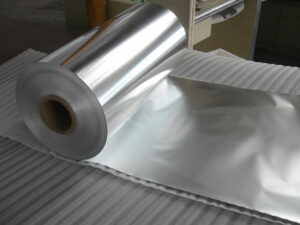
25 kg multi-layer moisture-barrier bags (HDPE inner + aluminum foil liner)
-
500–1,000 kg FIBC (bulk bags)
-
Sealed drums for high-humidity environments
-
-
Shelf Life: 12 months from date of manufacture when stored in original unopened packaging under dry, ambient conditions (RH <60%, T <35°C)
3. Core Industrial Applications
-
Primary Industry: EV & Energy Storage Battery Manufacturing
-
Use case: Precursor for LiNi₀.₈Co₀.₁Mn₀.₁O₂ (NCM 811) and LiNi₀.₈Co₀.₁₅Al₀.₀₅O₂ (NCA) cathodes.
-
Performance advantage: Higher ionic conductivity and lower melting point than Li₂CO₃, enabling lower sintering temperatures (750–850°C) and reduced lithium loss, directly increasing battery cycle life by 15–20%.
-
-
Primary Industry: High-Performance Lubricants (Lithium Greases)
-
Use case: Thickening agent for multi-purpose greases in automotive and heavy machinery.
-
Advantage: Superior water resistance and mechanical stability over calcium or sodium soaps.
-
-
Secondary Industry: Industrial Air & Life Support Systems (Submarines, Spacecraft)
-
Use case: Chemical adsorbent for CO₂ removal.
-
Efficiency: Higher CO₂ loading capacity (1 kg LiOH·H₂O absorbs ~0.9 kg CO₂) compared to alternative scrubbers.
-
4. Competitive Advantages
-
Quality Consistency: ISO 22000 & IATF 16949 certified production with batch-to-batch SPC control; impurity variance ≤±5% across 100+ metric tons.
-
Supply Reliability: Vertically integrated upstream lithium brine/hard-rock source with dual-continent processing (Asia & Americas), ensuring supply chain resilience against geopolitical disruptions.
-
Logistics Capability: Dedicated moisture-controlled container fleet with real-time IoT tracking; average lead time 14–21 days from order to FOB port loading.
-
Price Competitiveness: Long-term off-take agreements enable pricing that tracks benchmark indices (e.g., Fastmarkets, S&P Global) with volume-based rebates above 500 MT/year.
-
Sustainability: Carbon-neutral processing certified by third-party audit; zero liquid discharge (ZLD) manufacturing process; full traceability from mine to final bag.
-
Technical Support: Complimentary cathode mixing optimization reports, stability testing data, and on-site application engineering for contract volumes ≥100 MT.
5. Commercial & Supply Information
-
Minimum Order Quantity (MOQ): BULK 20 metric tons (MT) – equivalent to one full truckload or 20-foot container
-
Loading Capacity: 20–22 MT per standard 20-foot dry container (palletized, 1,000 kg FIBCs)
Reviews
There are no reviews yet.