
Description
1. Product Overview
Ferric Chloride (FeCl₃) is a high-purity, anhydrous etchant solution formulated for the controlled dissolution of unmasked copper in printed circuit board (PCB) fabrication. Its primary industrial use is as the standard oxidizer in the etching process for both rigid and flexible PCBs, ensuring precise copper removal without undercutting. The key value proposition is its exceptional etch rate consistency, high copper loading capacity, and regeneration potential, which reduce total cost of ownership. Strategically, it remains indispensable for high-mix, low-to-medium volume PCB manufacturers seeking a balance between etch precision and operational safety in a volatile supply chain.
2. Key Specifications & Technical Characteristics
-
Chemical Composition: Ferric Chloride (FeCl₃) – Anhydrous or 40–42% aqueous solution
-
Purity Level: Industrial Grade ≥ 98% FeCl₃ (anhydrous) / 99.5% purity on heavy metals (Cu, Pb, As < 50 ppm)
-
Physical Characteristics:
-
Form: Dark brown to amber hygroscopic liquid or crystalline solid
-
Density: 1.42–1.48 g/cm³ (solution); 2.90 g/cm³ (anhydrous solid)
-
Particle size (solid): 1–5 mm chips or powder
-
Free acid (as HCl): ≤ 0.5%
-
-
Packaging Options:
-
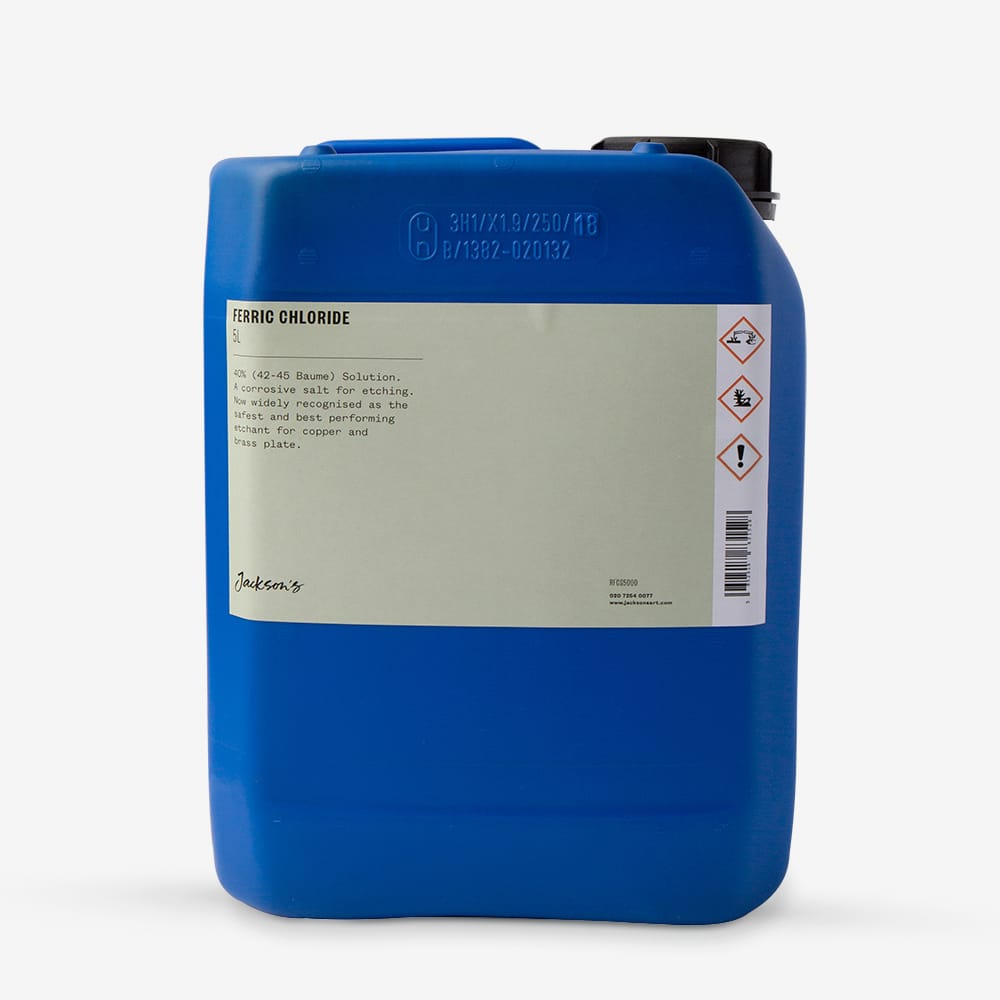
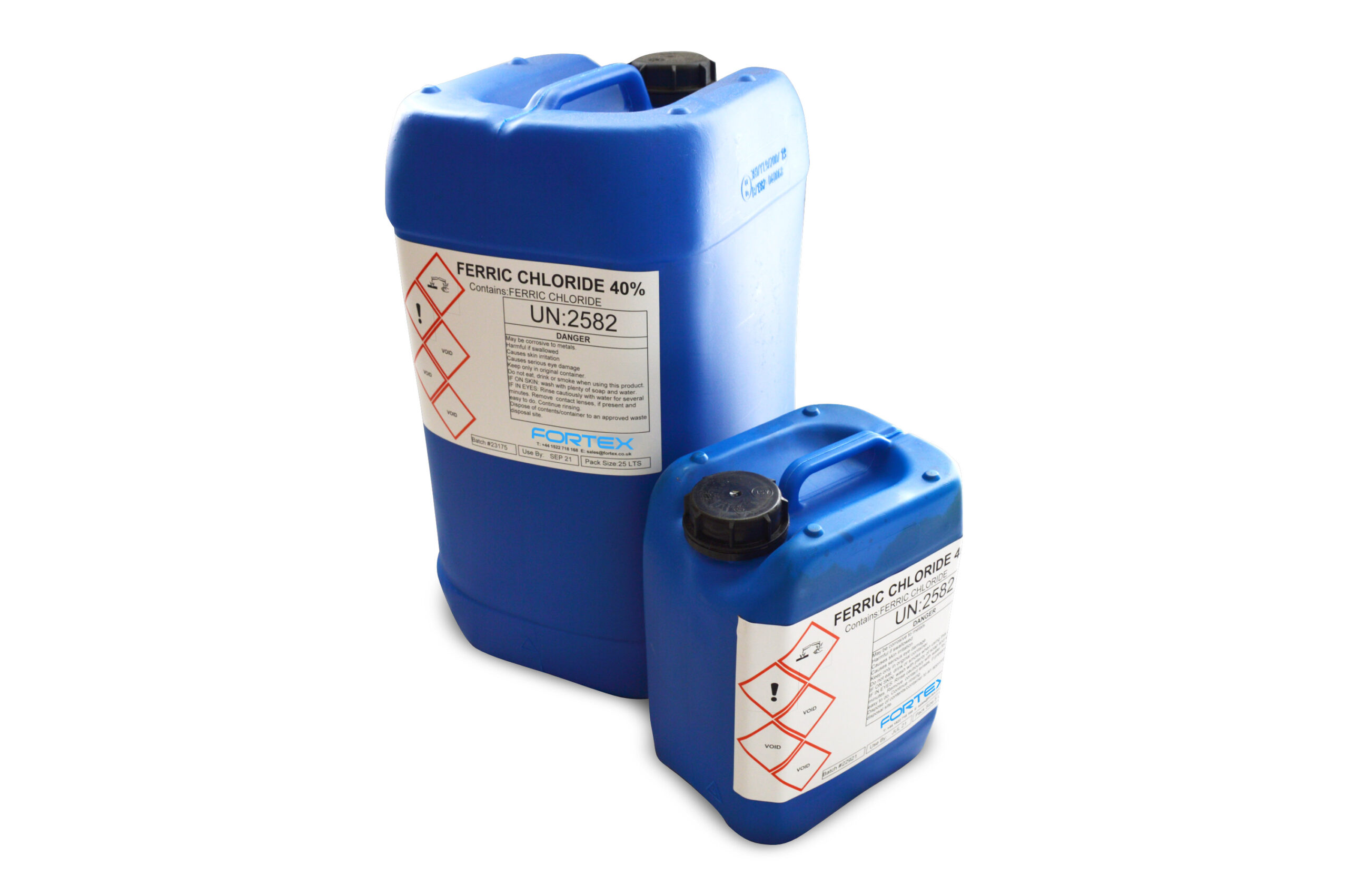
30 kg HDPE drums (liquid)
-
350 kg IBC totes with integrated venting
-
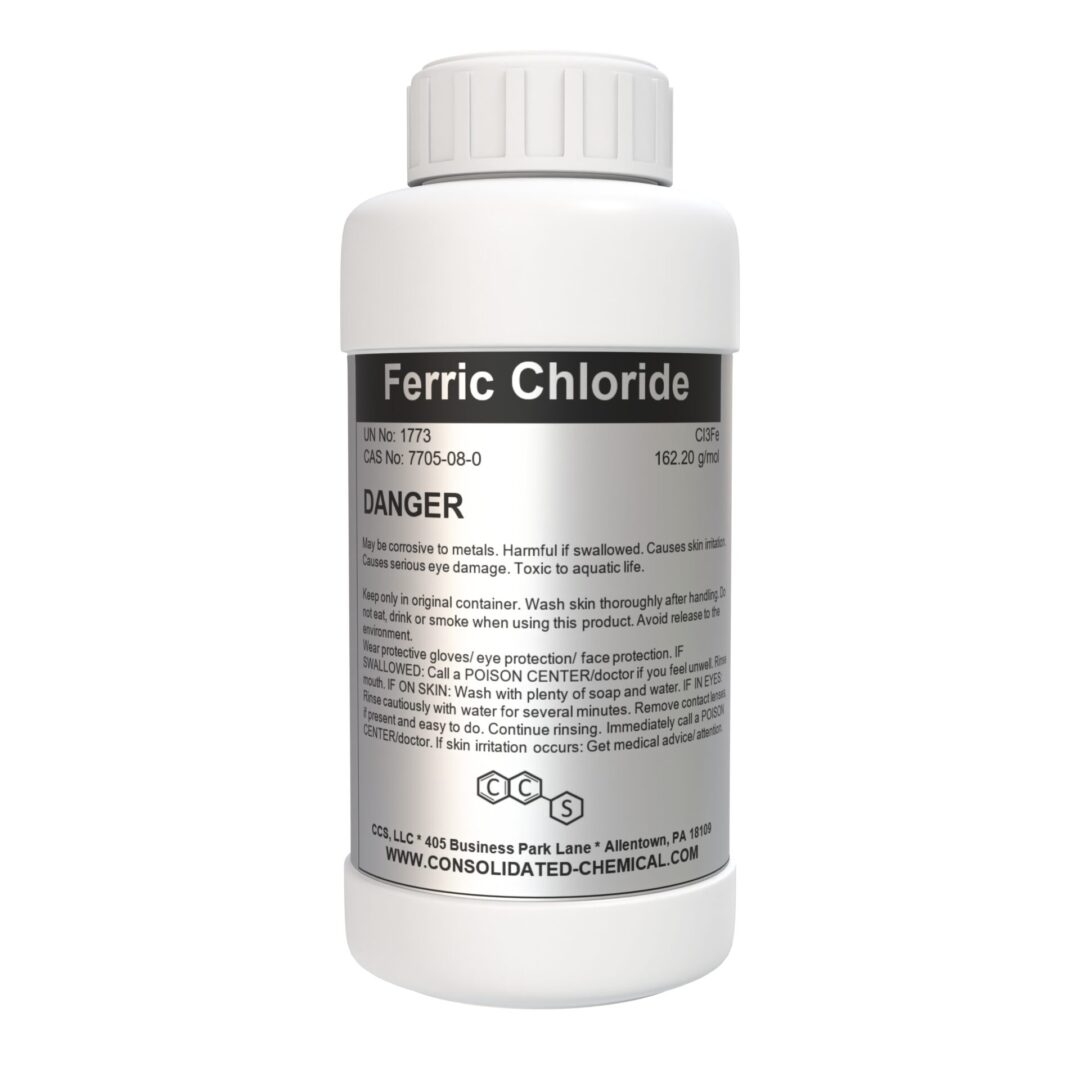
25 kg sealed multilayer bags (solid)
-
Bulk tanker delivery (≥15,000 L)
-
-
Shelf Life: 24 months in original sealed container, stored at 5–35°C, away from organic materials
3. Core Industrial Applications
-
Primary Industries: PCB manufacturing, semiconductor packaging, chemical milling, and metal surface finishing.
-
Specific Operational Use Cases:
-
Inner/outer layer etching for single/double-sided and multilayer PCBs
-
Etching of copper-based RF/microwave circuits
-
Regeneration loop systems for closed-loop etchers
-
-
Performance Advantages:
-
Higher copper loading capacity (up to 120 g/L Cu²⁺) vs. alkaline etchants, reducing chemical changeover frequency by 40%
-
No ammonia complexing → safer waste treatment and lower biological oxygen demand (BOD)
-
Consistent etch factor (≥3:1) minimizing undercut on fine-pitch traces (≤50 µm)
-
-
Cost/Efficiency: Enables regeneration using HCl/Cl₂, extending bath life 3–5x compared to single-use cupric chloride systems.
4. Competitive Advantages
-
Quality Consistency: ISO 9001:2025 certified production with batch-to-batch ICP-OES validation; each lot includes Certificate of Analysis (CoA) listing 12 trace metals.
-
Supply Reliability: Dual sourcing from chlor-alkali and iron oxide reduction routes; buffer stock maintained in three regional hubs (North America, EU, SE Asia).
-
Logistics Capability: Hazard Class 8 (UN 2582) compliant packaging; expedited customs documentation and DG-certified freight partners.
-
Price Competitiveness: Volume-indexed pricing with quarterly adjustment formulas tied to iron ore and chlorine benchmarks.
-
Sustainability: 94% iron recovery rate through third-party reclamation programs; zero liquid discharge (ZLD) compatible.
-
Technical Support: 24/7 process engineering hotline, free etch rate simulation tool, and on-site bath aging optimization audits.
5. Commercial & Supply Information
-
Minimum Order Quantity (MOQ):
-
Liquid solution: 350 kg (1 IBC tote)
-
Anhydrous solid: 500 kg
-
-
BULK 20MT Loading Capacity:
-
Liquid (40% solution): 18.5 MT per 20ft ISO tank container (net weight)
-
Solid (anhydrous chips): 20 MT per 20ft dry container (palletized, 1,000 × 25 kg bags)
-
Reviews
There are no reviews yet.