

Description
1. Product Overview
This VOC Catalyst is a high-performance, noble-metal-based oxidation catalyst engineered with precision-deposited platinum (Pt) and palladium (Pd) on a high-surface-area substrate. It is primarily used in industrial off-gas treatment systems—such as regenerative thermal oxidizers (RTOs) and catalytic oxidizers—to destroy volatile organic compounds (VOCs) at lower operating temperatures. The key value proposition is a reduction in energy consumption by 30–50% compared to thermal-only oxidation, alongside extended catalyst lifespan under high-humidity or halogenated VOC streams. Strategically, this product is critical as global VOC emission regulations tighten (e.g., EU Industrial Emissions Directive, EPA NESHAP), making it a non-negotiable component for compliance and operational decarbonization.
2. Key Specifications & Technical Characteristics
-
Chemical composition: Platinum (Pt) 0.5–2.0 g/ft³ + Palladium (Pd) 1.0–4.0 g/ft³, washcoated onto γ-alumina or mixed metal oxide support
-
Purity level / grade: ≥99.95% pure noble metals; catalyst grade with controlled chloride content (<50 ppm)
-
Physical characteristics:
-
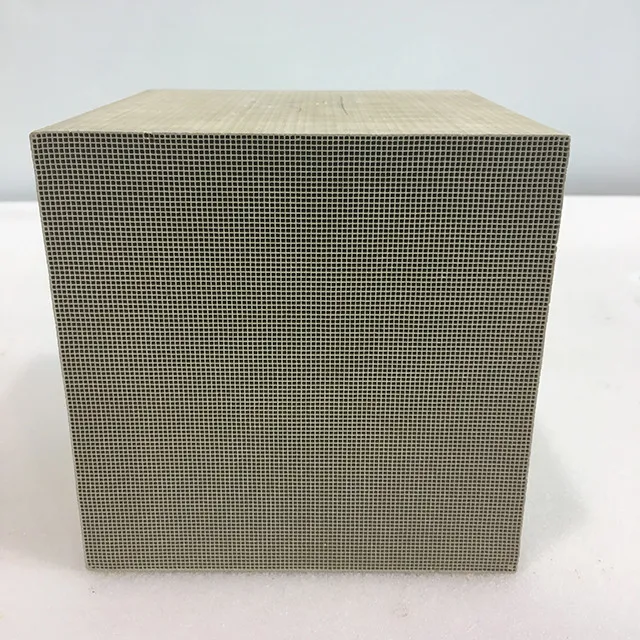
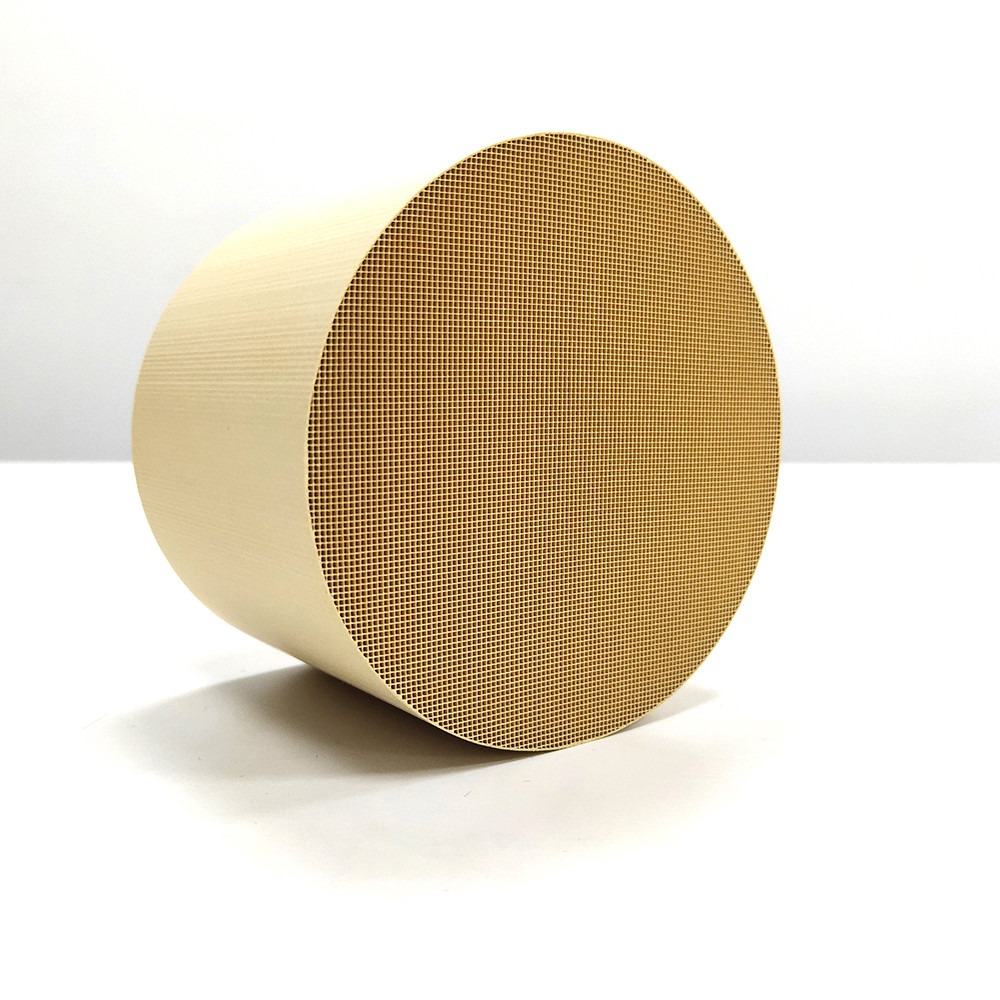
Form: Ceramic monolith (square cell 100–400 cpsi) or pelletized (3–5 mm diameter)
-
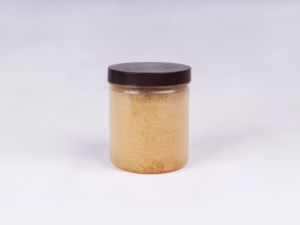
Color: Gray to dark brown
-
Bulk density: 600–800 kg/m³ (monolith); 700–950 kg/m³ (pellet)
-
Specific surface area (BET): 150–200 m²/g
-
-
Packaging options: Sealed 20 kg fiber drums with desiccant; 500 kg octabins; bulk supersacks with anti-static lining
-
Shelf life: 3 years when stored in original sealed packaging at 5–35°C, away from sulfurs and halogens
3. Core Industrial Applications
-
Primary industries: Chemical & petrochemical manufacturing, pharmaceuticals, printing & coating, semiconductor fabs, wood panel production, and waste-to-energy facilities.
-
Specific operational use cases:
-
Abatement of aromatic VOCs (benzene, toluene, xylene), oxygenated compounds (ethanol, acetone), and aliphatic hydrocarbons.
-
Retrofit of existing RTOs to lower light-off temperature from 450°C to 280°C.
-
Continuous use in high-moisture (up to 20% H₂O) and low-sulfur (<5 ppm) exhaust streams.
-
-
Performance vs. alternatives: Compared to base metal oxide catalysts (e.g., Mn, Cu), this Pt/Pd catalyst achieves >98% destruction efficiency at half the operating temperature, reducing fuel gas consumption by 40%. Compared to Pt-only catalysts, Pd addition improves sulfur tolerance and hydrothermal stability, extending service life to 4+ years in typical chemical plant service.
4. Competitive Advantages
-
Quality consistency: ISO 9001:2025 certified production with 100% lot-tested light-off temperature, conversion efficiency (toluene at 300°C), and pressure drop; certificate of analysis provided per shipment.
-
Supply reliability: Dual-sourced precious metals from LBMA-approved refineries; buffer stock of 6,000+ MT equivalent maintained regionally (USA, EU, SE Asia) to avoid production halts.
-
Logistics capability: Air freight (2–5 days) for urgent changeouts; ocean freight (18–25 days) with real-time tracking and tamper-evident seals.
-
Price competitiveness: Transparent pricing based on daily metal markets + fixed conversion fee; no minimum annual commitment for B2B spot buyers.
-
Sustainability & environmental: Manufacturing process uses >60% recycled water; spent catalyst is fully reclaimable for precious metal recovery (90–95% recovery guarantee).
-
Technical support: 24/7 access to process engineering team with pre-sale reactor design modeling (ASPEN/COMSOL) and post-sale performance trending reports.
5. Commercial & Supply Information
-
Minimum order quantity (MOQ): 20 MT (one full 20‑foot container)
-
BULK 20MT Loading capacity: 20 metric tons per 20′ standard dry container (palletized, 48” x 40” footprint, stackable 4 high)
-
Loading capacity per 20FT container: 20 MT net (max gross weight 24 MT with packaging)
Reviews
There are no reviews yet.