
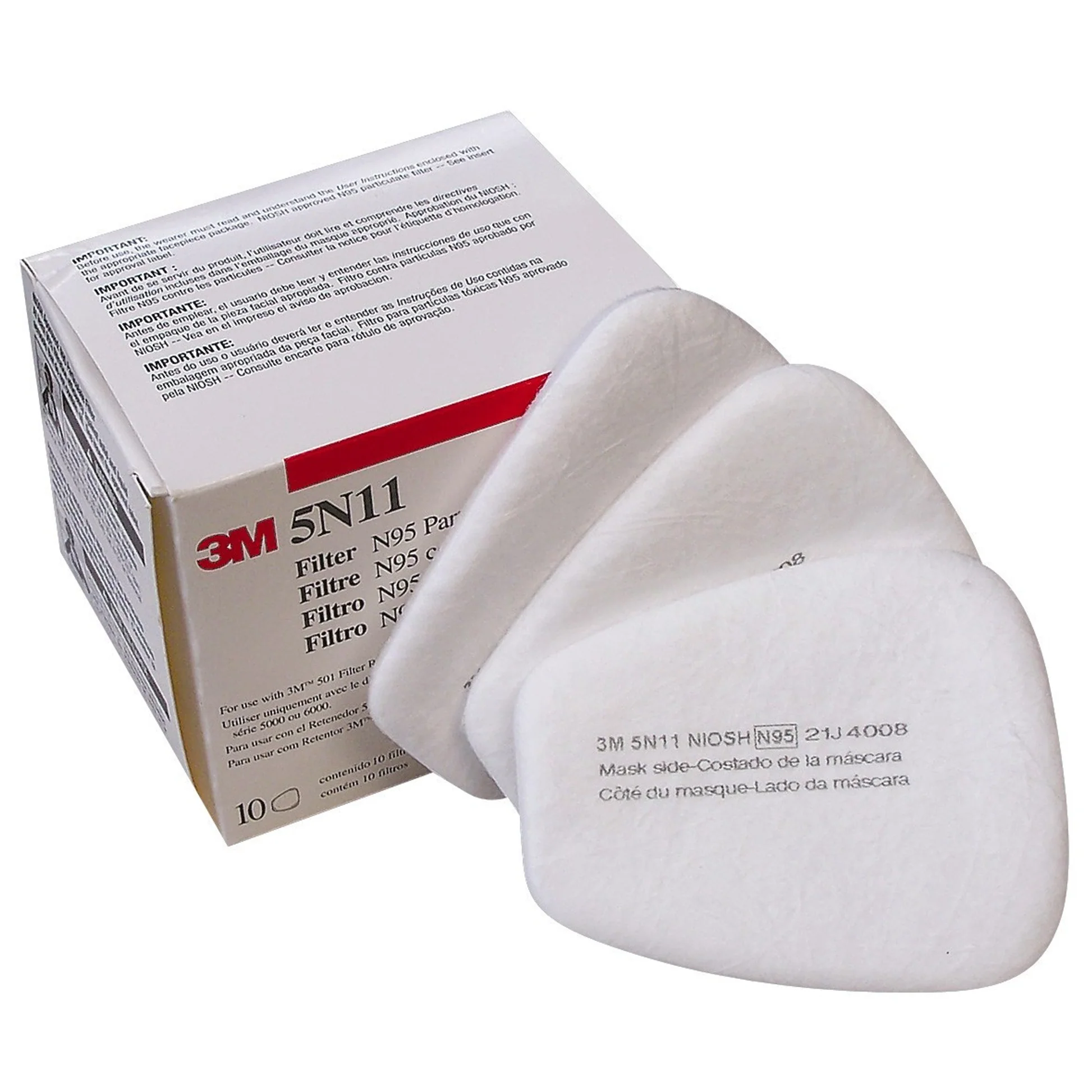
Description
1. Product Overview
This N95 Respirator is a high-efficiency particulate filtering facepiece designed to provide critical respiratory protection in industrial environments with airborne particulate hazards. Its primary use is in construction, mining, pharmaceutical manufacturing, and emergency response settings where exposure to non-oil-based particulates—such as dust, smoke, and biological aerosols—must be minimized. The key value proposition is a minimum 95% filtration efficiency against 0.3-micron particles, combined with low breathing resistance and a secure facial seal. Strategically, this respirator is essential for global supply chains requiring compliance with occupational safety standards, reducing workforce health risks and downtime-related liabilities.
2. Key Specifications & Technical Characteristics
-
Material composition: Multi-layer polypropylene melt-blown fabric (primary filtration layer), with polyester outer/inner cover webs, nose foam cushion (PU), and aluminum/aluminum-plastic adjustable nose clip.
-
Filtration efficiency: ≥95% for NaCl aerosol (0.3 µm mass median aerodynamic diameter), tested per NIOSH 42 CFR Part 84 or equivalent regional standards (e.g., EN 149 FFP2, GB 2626-2019 KN95).
-
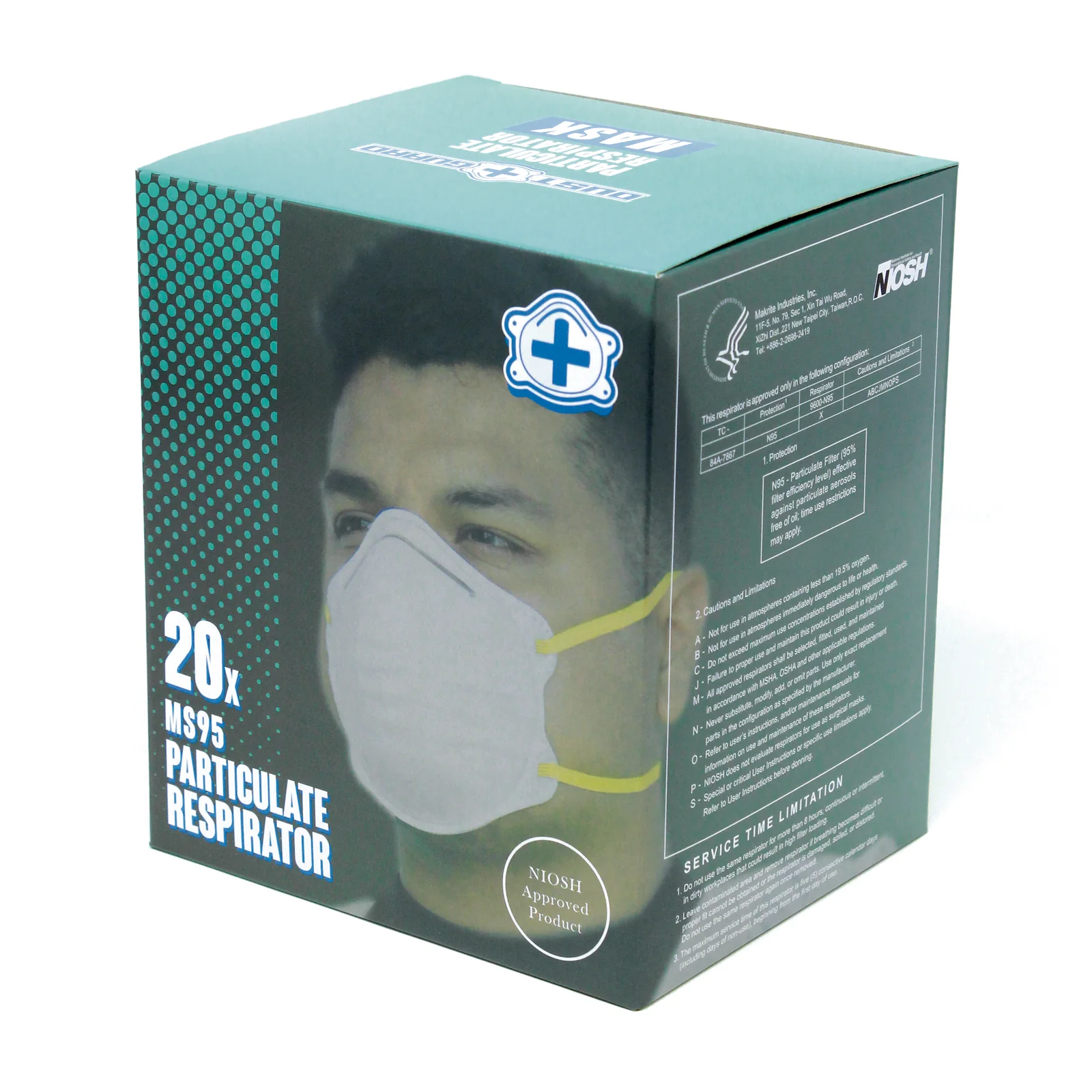
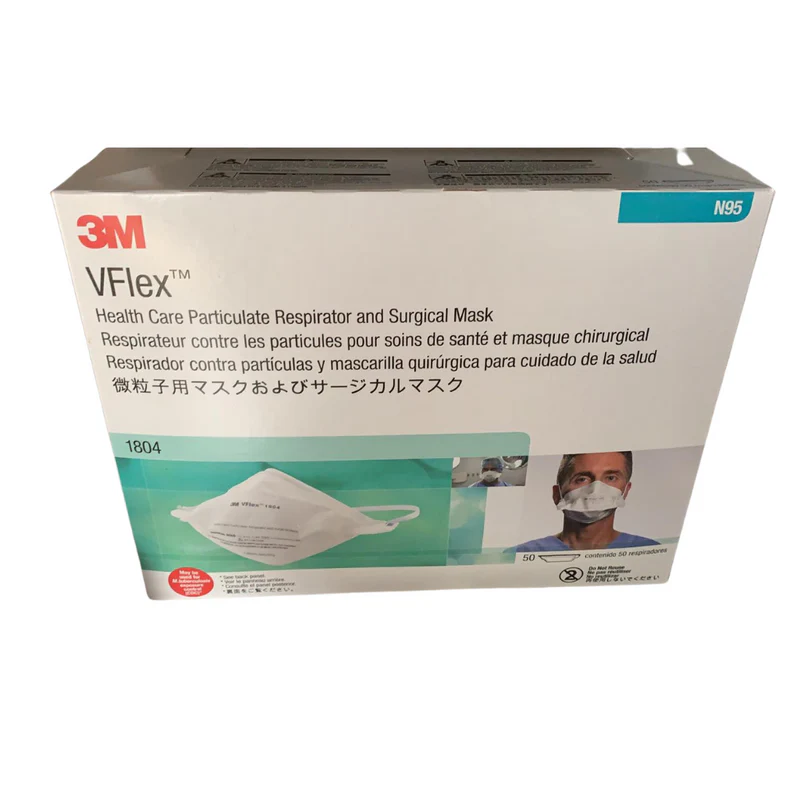
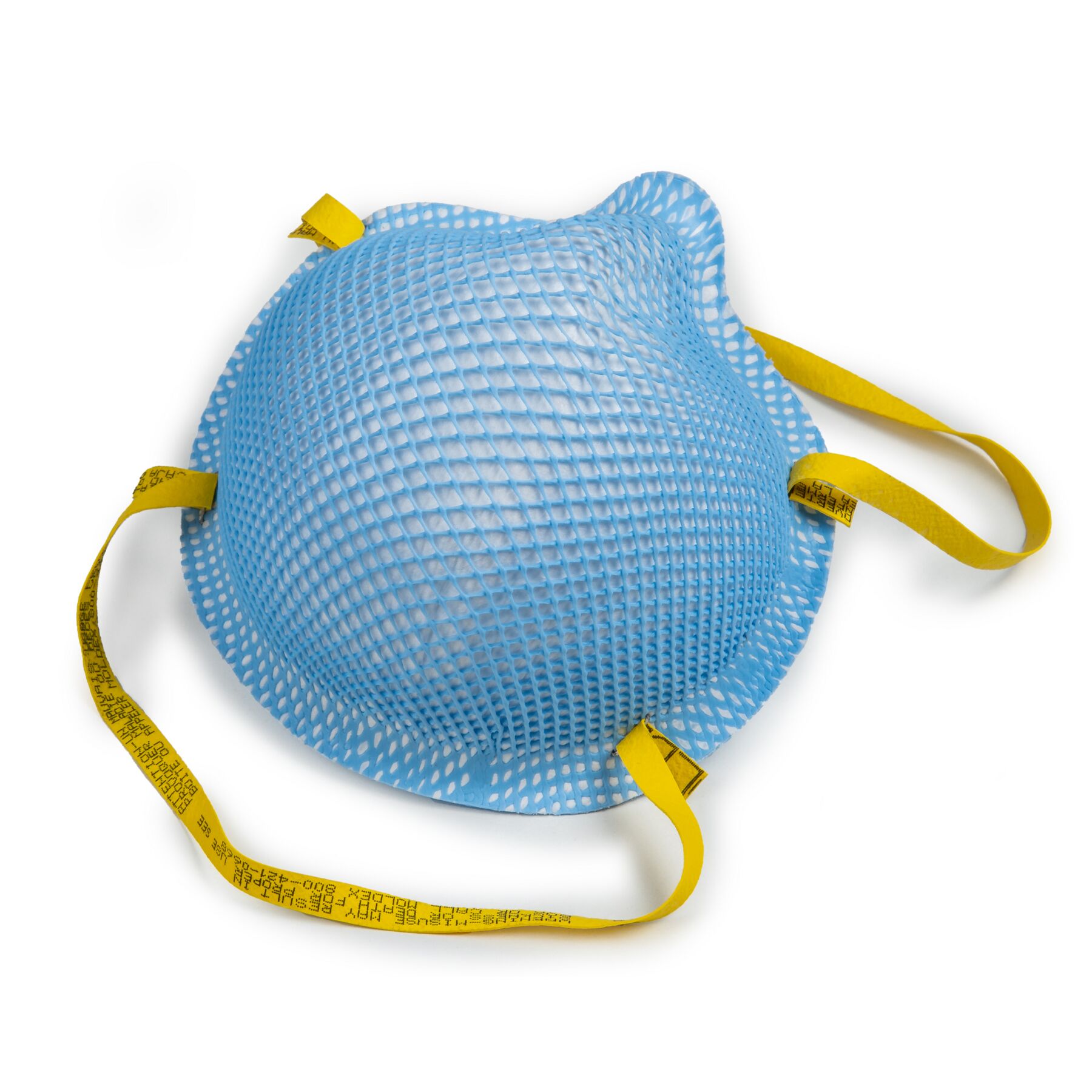
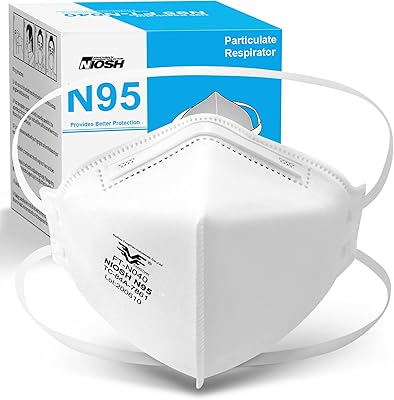
Physical characteristics: Cup-shaped or flat-fold design; white; low-profile; headband loops (rubber/neoprene) or ear-loop options; nominal thickness 3–5 mm; weight approx. 8–12 g per unit.
-
Inhalation resistance: ≤35 mm H₂O at 85 L/min airflow.
-
Packaging options: Individually sealed polybag or bulk inner tray (10 or 20 pcs per polybag) → 50 bags/carton; carton size standard 52 × 32 × 38 cm.
-
Shelf life: 3 years from manufacture when stored in original packaging at -20°C to +40°C, <80% relative humidity.
3. Core Industrial Applications
-
Primary industries: Construction, mining, cement production, metal processing, pharmaceutical powder handling, food processing (dry goods), waste recycling, and emergency medical first response (non-oil aerosol bio-particulates).
-
Operational use cases: Grinding, cutting, bag dumping, dry powder mixing, sweeping, sanding, and wildfire smoke exposure.
-
Performance advantage vs. alternatives: Compared to surgical masks (≤80% filtration) or cloth masks (highly variable), the N95 provides verified 95%+ efficiency with dynamic exhalation valve options (or valveless for sterile environments) and less than 8% pressure-drop increase at 8-hour shift load – reducing worker fatigue and improving compliance.
-
Commercial advantage: Lower total cost of ownership than elastomeric half-masks (no cartridge replacement, no cleaning labor) and 5x longer usable duration in high-dust environments than basic pleated masks due to electrostatic charge retention.
4. Competitive Advantages
-
Quality consistency: In-line automated filtration efficiency testing per batch (NIOSH TEB-APR-STP-0059); ISO 13485:2016 certified manufacturing.
-
Supply reliability: Dual production lines (Asia, Europe) with buffer stock of 2M units globally; 95% on-time-in-full delivery rate over trailing 12 quarters.
-
Logistics capability: Multi-modal shipping (air, sea, rail) with real-time temperature/humidity data loggers for controlled transit.
-
Price competitiveness: Volume-tiered pricing with ≤3% annual volatility due to long-term polypropylene futures hedging.
-
Sustainability: Biodegradable nose foam (bio-based PU) and recyclable outer cartons (FSC-certified); valved units allow for easy disassembly.
-
Technical support: Digital lot traceability API for ERP integration; downloadable fit-testing guides and training videos in 14 languages.
5. Commercial & Supply Information
-
Minimum Order Quantity (MOQ): BULK 20MT (metric tons).
-
Loading capacity per container:
-
20ft standard container: approx. 12–14 MT (≈ 1.0–1.2 million units, flat-fold, packed)
-
40ft standard container: approx. 24–26 MT (≈ 2.0–2.2 million units)
-

Reviews
There are no reviews yet.