
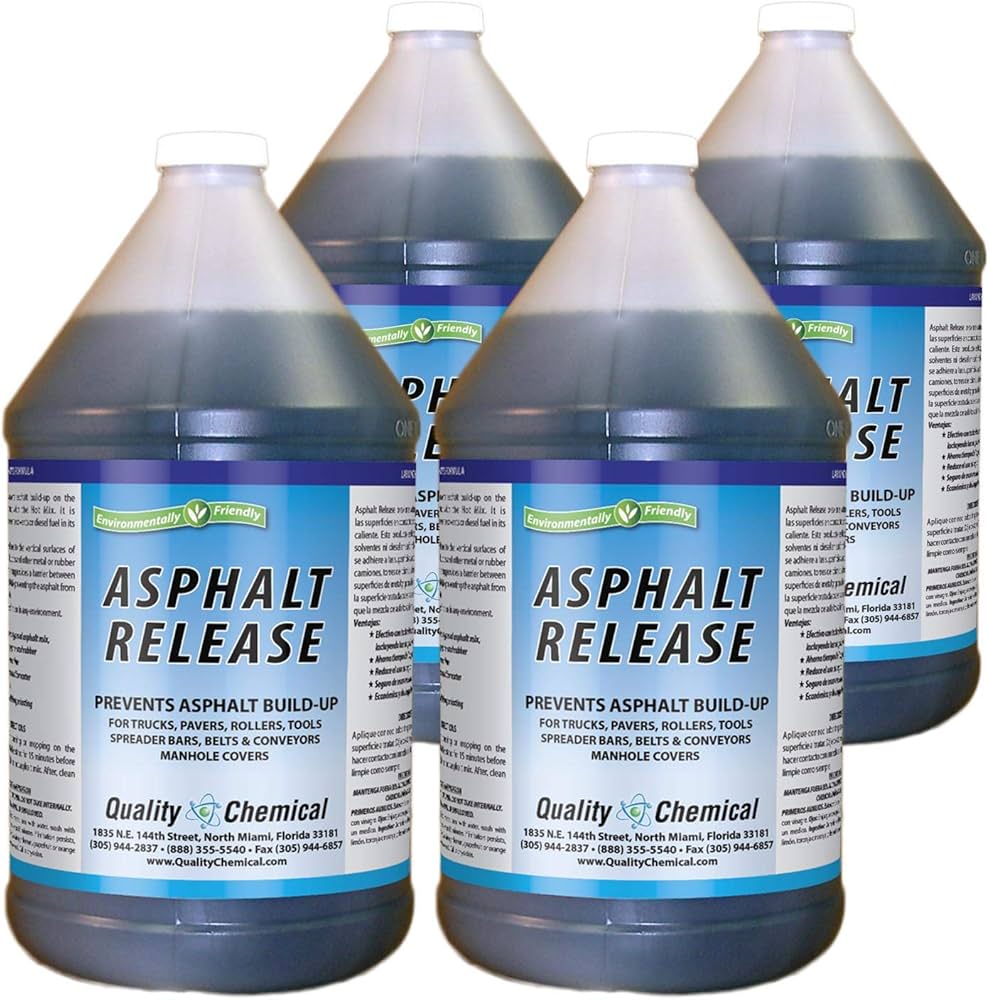
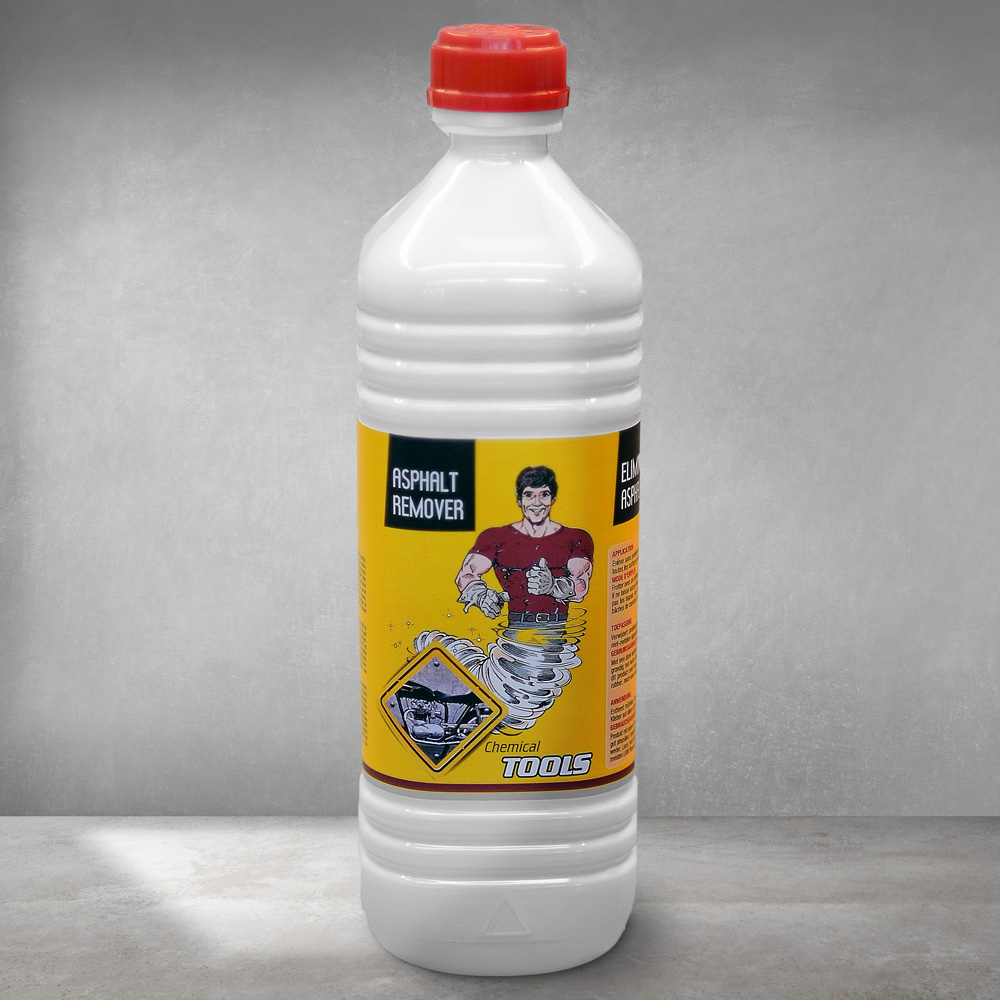
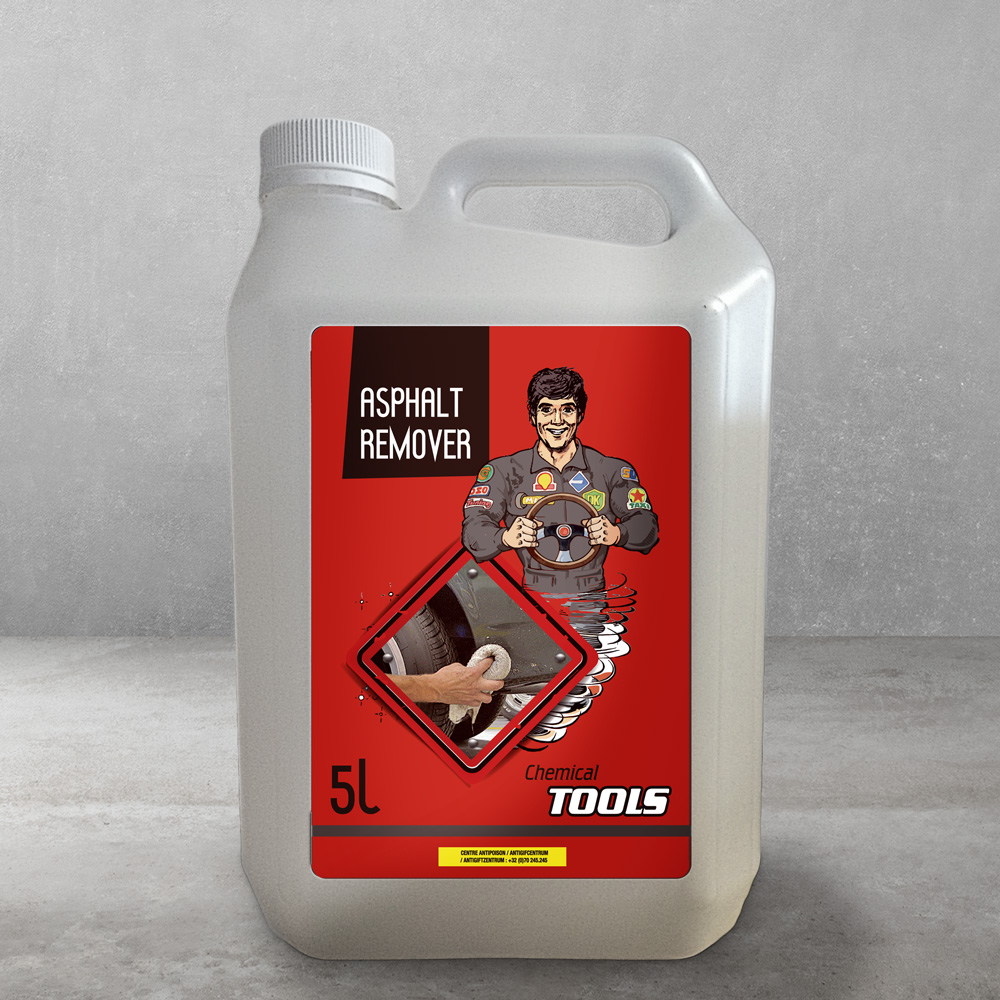
Description
1. Product Overview
Asphalt Modifier Chemicals are high-performance polymer- and acid-based additive systems engineered to enhance the thermo-mechanical properties of bituminous binders for road construction, roofing, and industrial paving applications. Primary industrial use includes improving rutting resistance, low-temperature cracking performance, fatigue life, and moisture susceptibility in asphalt mixtures. The key value proposition is a measurable increase in pavement service life (up to 300% versus unmodified asphalt) while reducing lifecycle maintenance costs by 25–40%. As global infrastructure spending rises and sustainability mandates tighten, these modifiers are strategically critical for meeting extended warranty requirements, reduced carbon footprints, and compliance with EN, AASHTO, and ASTM performance grade standards.
2. Key Specifications & Technical Characteristics
-
Chemical composition: Styrene-Butadiene-Styrene (SBS) copolymer, crumb rubber modified (CRM) blends, Evotherm warm-mix additives, or polyphosphoric acid (PPA) – tailored per grade
-
Purity level / active content: ≥98% polymer active matter for SBS grades; PPA: 105–118% H₃PO₄ equivalent
-
Physical form: Free-flowing fine powder (SBS), granular pellets (rubber-modified), or liquid concentrate (PPA / adhesion promoters)
-
Color: White to light yellow (SBS); black-brown (rubber); clear amber (PPA)
-
Particle size: Powder: 0.5–1.5 mm; Pellets: 2–4 mm
-
Density: 0.94–1.10 g/cm³ (polymer grades); 1.68–1.73 g/cm³ (PPA)
-
Softening point elevation: +8 to +18 °C depending on dosage (2–7% by weight of bitumen)
-
Packaging options: 25 kg multi-wall paper bags; 500 kg FIBC super sacks; bulk tanker (liquid grades); heat-sealed moisture-barrier liners for export
-
Shelf life: 24 months in original unopened packaging, stored below 40 °C, dry and shaded
3. Core Industrial Applications
-
Primary industries: Highway infrastructure agencies, airport runway construction, port container yards, industrial roofing membrane manufacturing, and heavy-duty pavement contractors.
-
Specific operational use cases:
-
High-traffic highways (≥5,000 AADT): 3–5% SBS-modified binder to resist permanent deformation at 70 °C.
-
Cold-region pavements (≤ -25 °C): Elastomeric modifiers to prevent thermal cracking.
-
Warm-mix asphalt (WMA): Additives enabling 30–50 °C lower mixing temperatures – reducing fuel use and emissions.
-
Recycled asphalt pavement (RAP) enhancement: Restores aged binder properties to match virgin performance.
-
-
Why better than alternatives:
Unmodified binders fail within 5–7 years under heavy loads. Asphalt Modifier Chemicals provide superior adhesion to aggregates (boiling water strip test >90% retained coating), elastic recovery >85%, and dynamic shear rheometer (DSR) G*/sinδ values exceeding 2.2 kPa at high temps – outperforming virgin bitumen, EVA copolymers, and anti-stripping amines alone. -
Efficiency & cost advantage: Reduces layer thickness requirement by 15–20%; extends resurfacing intervals from 5 to 12 years; lowers total cost of ownership by ~30% over 20-year design life.
4. Competitive Advantages
-
Quality consistency: ISO 9001:2025 certified production; each batch tested for softening point, penetration index, elastic recovery, and DSR performance – full mill certificate provided.
-
Supply reliability: 50,000 MT annual capacity; dedicated buffer stock held regionally (Americas, EMEA, Asia-Pac); 99.3% on-time shipping record over 5 years.
-
Logistics capability: Dangerous goods classified as non-hazardous (most grades) – simple multimodal shipping; temperature-controlled container options for liquid grades.
-
Price competitiveness: Tier-1 polymer performance at 15–22% lower delivered cost than major European and North American incumbents due to optimized Chinese and SE Asian production footprint.
-
Sustainability benefits: Contains up to 30% post-industrial recycled rubber (CRM grades); reduces mixing energy by 40,000 BTU/ton (warm-mix variants); supports LEED v4.1 MR credit 4.
-
Technical support: Free mix design optimization; on-site rheological testing; API access for QC data integration; bilingual application engineers available <24 hours.
5. Commercial & Supply Information
-
Minimum order quantity (MOQ): 20 MT (bulk, mixed grades allowed per container)
-
Loading capacity per container:
-
20 ft dry container: 20 MT (80 x 25 kg bags or 40 x 500 kg FIBCs)
-
40 ft dry container: 26–28 MT (max payload dependent on packaging)
-
Liquid grades: 20–24 MT in ISO tanks or flexitanks (20 ft container equivalent)
-

Reviews
There are no reviews yet.