


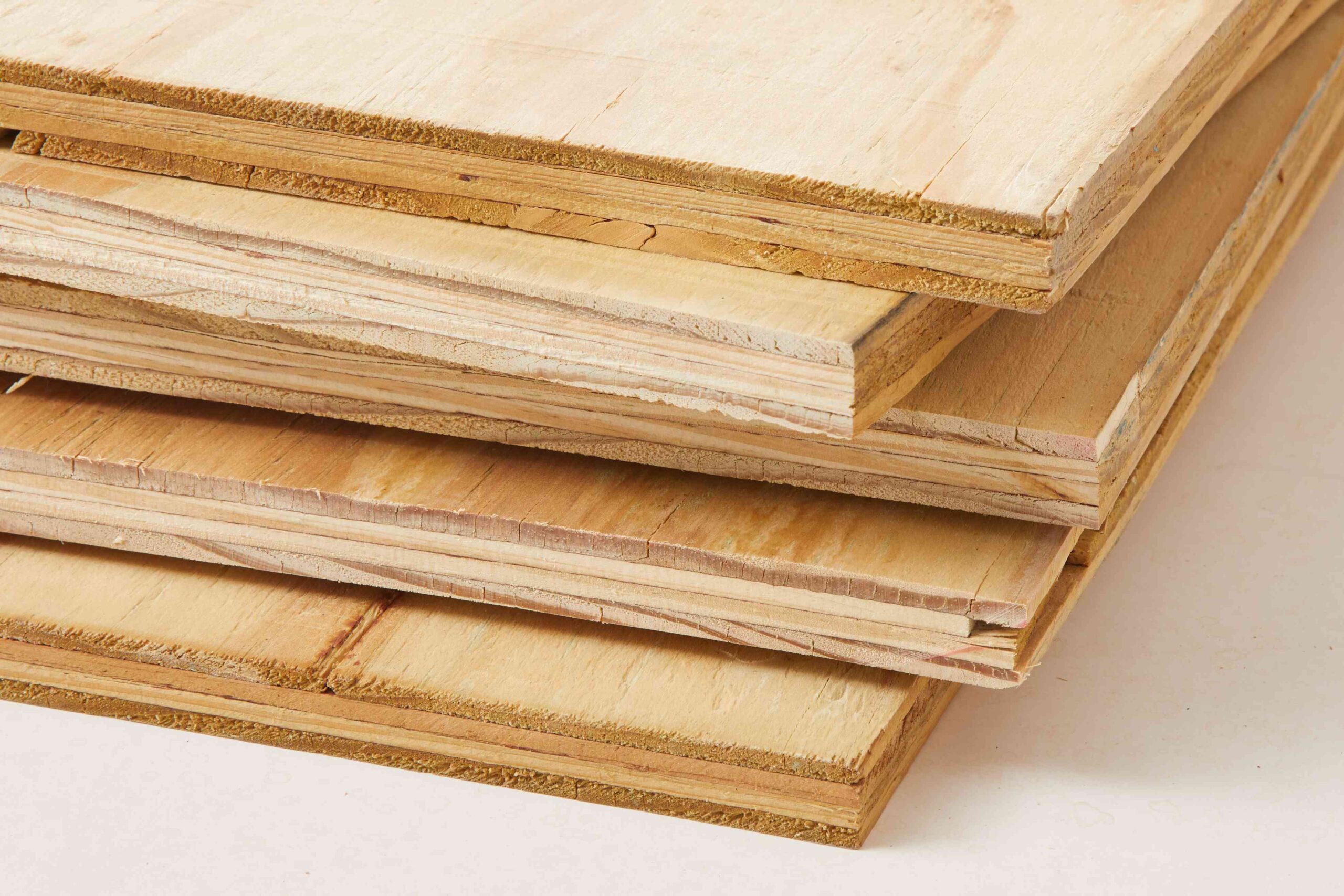
Description
1. Product Overview
Veneer Sheets are precision-engineered, thin layers of natural or engineered wood, typically rotary-peeled or sliced from premium logs, designed for high-performance lamination onto core substrates (MDF, particleboard, plywood). Their primary industrial use is in the production of architectural millwork, commercial cabinetry, luxury furniture, and high-end interior paneling. The key value proposition lies in delivering aesthetic uniformity—mimicking solid wood at a fraction of the cost and weight—while enabling surface durability and design scalability. Strategically, they are critical for B2B buyers seeking to balance material yield, supply chain efficiency, and environmental compliance in mass timber decoration markets.
2. Key Specifications & Technical Characteristics
-
Material Components: 100% natural hardwood (e.g., oak, walnut, teak, ash) or engineered reconstituted wood veneer; formaldehyde-free adhesives (optional per grade)
-
Purity/Grade: Premium (AAA), Standard (AA), and Industrial (C) – based on grain match, knot frequency, and natural defect allowance
-
Physical Characteristics:
-
Thickness: 0.2 mm – 0.6 mm (±0.02 mm tolerance)
-
Form: Flexible flat sheets, paper-backed or phenolic-backed options
-
Color: Natural sapwood/heartwood range; bleached or stained finishes available
-
Density: 550–750 kg/m³ (species-dependent)
-
-
Packaging: Kraft paper interleaving, shrink-wrapped pallets, or custom export cartons; edge-protected for moisture barrier
-
Shelf Life: 12 months (if stored flat, 20–25°C, 45–55% RH; away from direct sunlight)
3. Core Industrial Applications
-
Primary Industries: High-end furniture manufacturing, architectural millwork, marine interiors, automotive trim (luxury), and retail fixture production.
-
Operational Use Cases:
-
Surface lamination for modular office desks and hotel room panels
-
Curved component cladding (e.g., reception desks, columns)
-
Edge banding and face veneering for solid-core doors
-
-
Performance Advantages vs. Alternatives:
-
Efficiency: 90% less drying time compared to solid lumber; compatible with hot/cold press systems
-
Durability: Lower cross-grain cracking and warping than solid wood panels of same dimension
-
Cost: Up to 70% material cost reduction versus matching-grade solid wood, plus lower shipping weight
-
Yield: Consistent thickness reduces adhesive waste and press setup adjustments
-
4. Competitive Advantages
-
Quality Consistency: Statistical process control (SPC) monitored for grain tightness, thickness tolerance, and moisture content (6–9%) per ASTM D3737
-
Supply Reliability: 500,000+ m² monthly capacity from FSC-certified plantations; 48-hour dispatch for stocked species
-
Logistics Capability: Multimodal (sea/air/rail) shipping with real-time batch tracking via blockchain-compliant documentation
-
Price Competitiveness: Tiered pricing for volume contracts (20+ containers) – 8–12% below EU/US spot averages
-
Sustainability: 100% post-industrial core waste utilization in engineered lines; EUTR and Lacey Act declarations included
-
Technical Support: On-site digital grain matching tools, batch traceability reports, and reactive troubleshooting (24-hour response)
5. Commercial & Supply Information
-
Minimum Order Quantity (MOQ): BULK 20MT (mixed species allowed – max 3 SKUs per container)
-
Loading Capacity: 22–24 MT per 20-ft standard container (depending on backing type and packaging density)

Reviews
There are no reviews yet.