
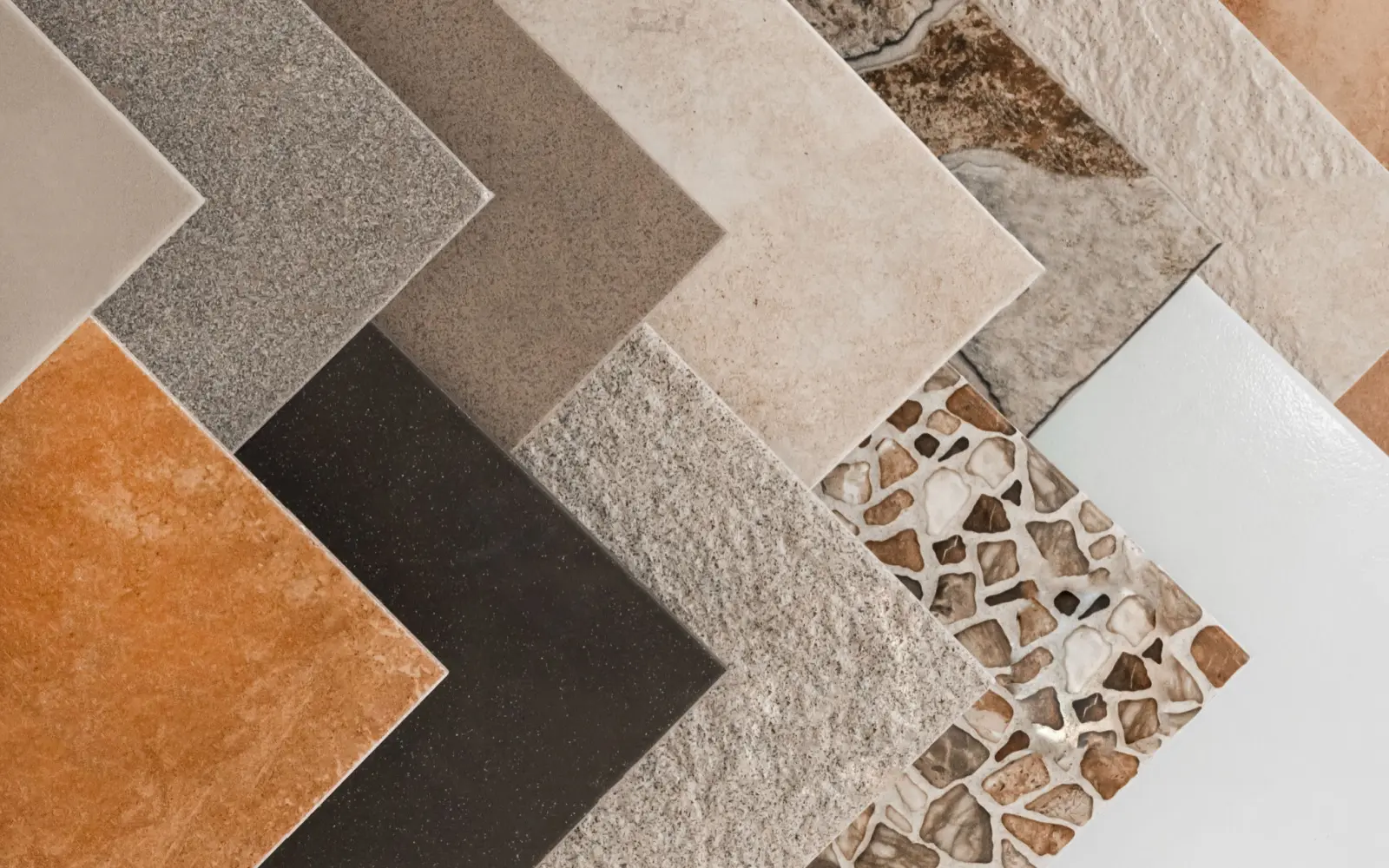
Description
1. Product Overview
Ceramic Tiles are high-density, kiln-fired engineered surfacing solutions manufactured from refined clays, feldspar, quartz, and inorganic pigments. Designed primarily for industrial flooring, heavy-traffic commercial interiors, and process-area wall cladding, these tiles deliver exceptional mechanical strength, chemical resistance, and lifecycle cost efficiency. In a global market demanding durability, hygiene, and low maintenance, Ceramic Tiles represent a strategically critical building component that reduces replacement frequency and operational downtime.
2. Key Specifications & Technical Characteristics
-
Material composition: Natural clay, feldspar, quartz, kaolin, and inorganic color oxides (ISO 13006 compliant)
-
Water absorption rate: ≤0.5% (fully vitreous) – standard industrial grade
-
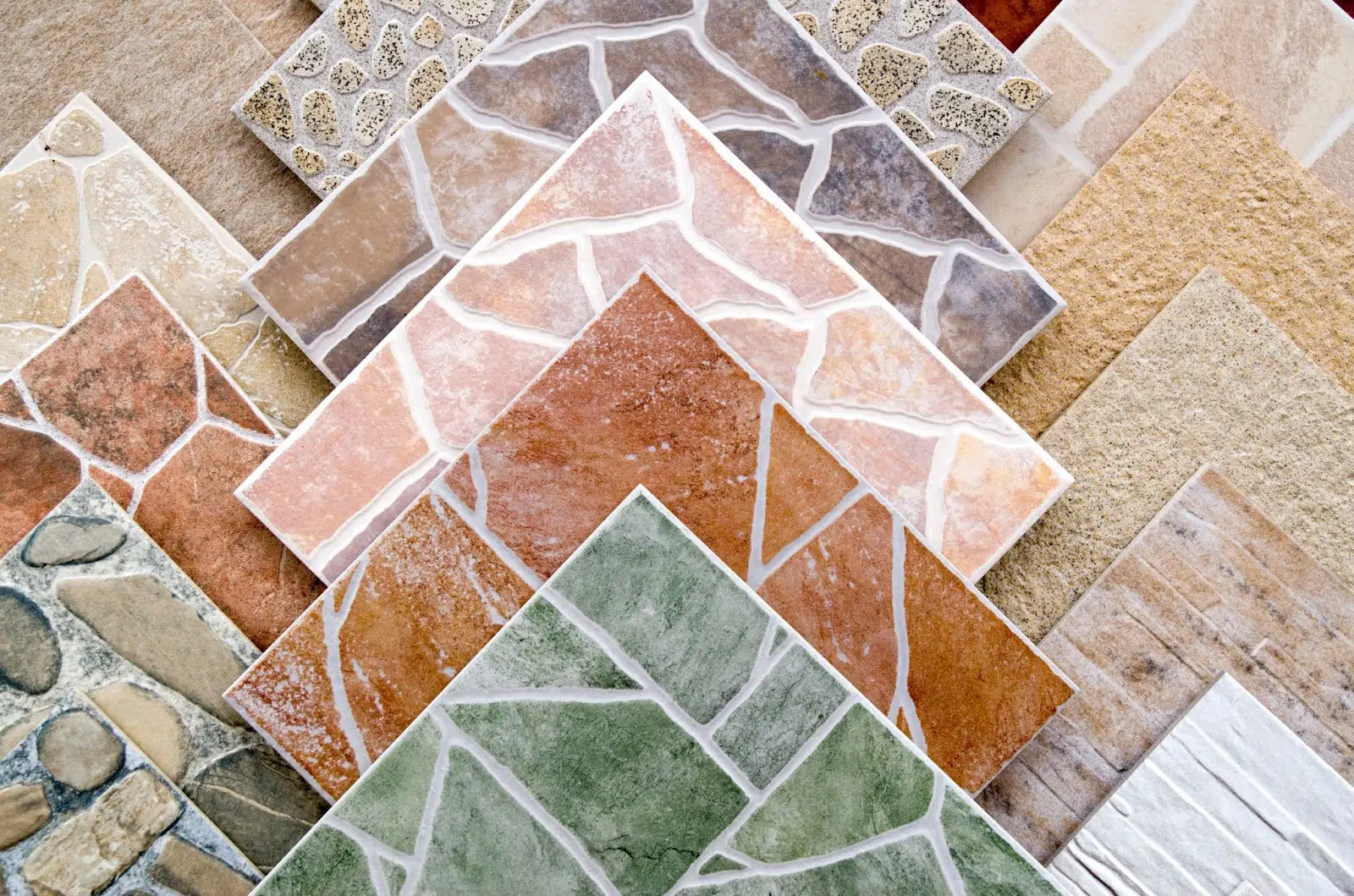
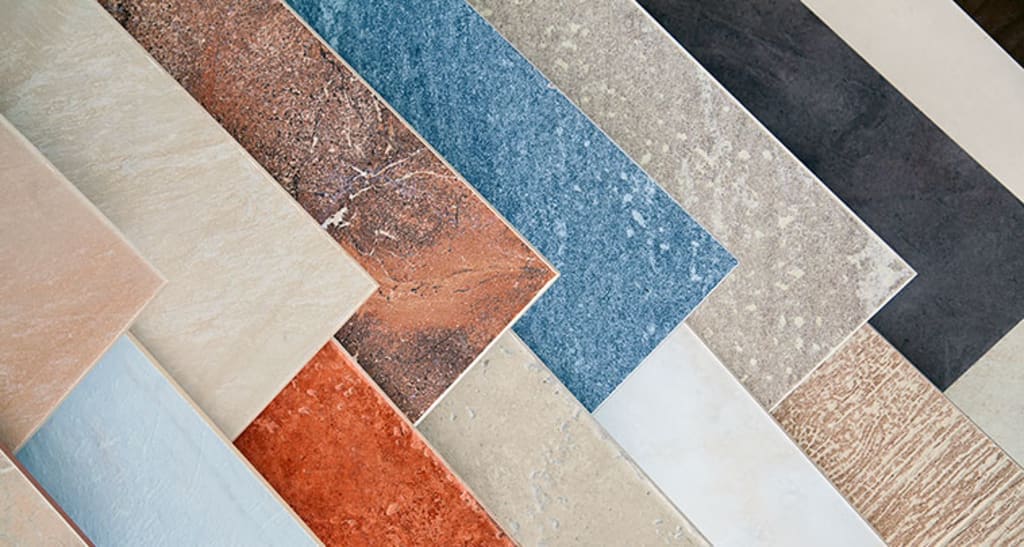
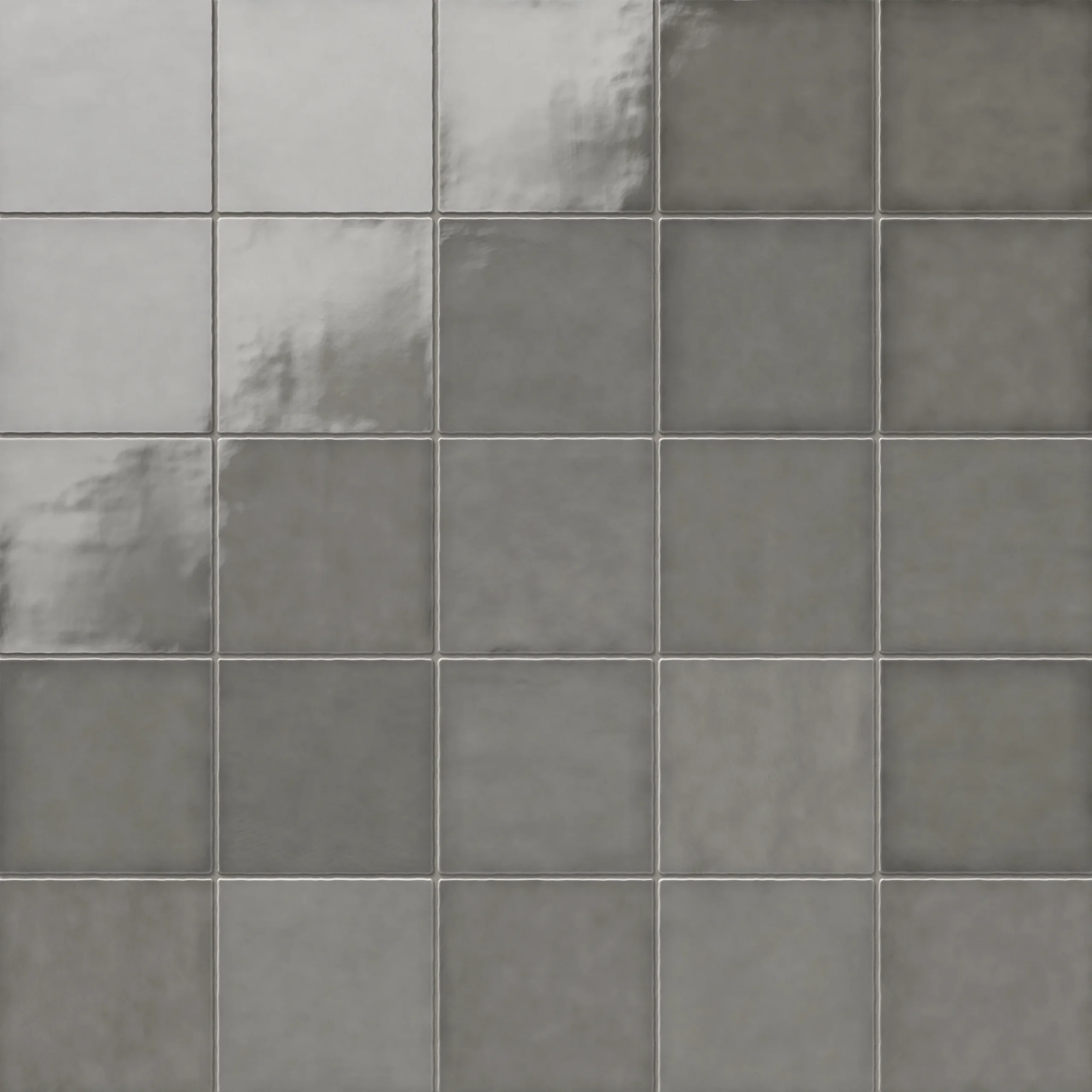
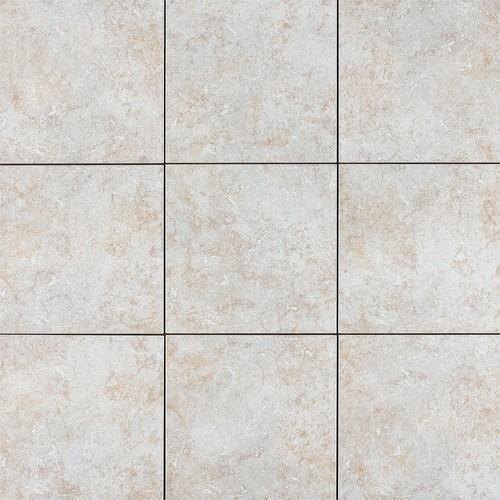
Physical characteristics: Rectangular and square formats; matte, unglazed, or full-body color; thickness 8–20 mm; density 2.3–2.4 g/cm³; Mohs hardness 6–7
-
Frost resistance: Fully resistant (passes ISO 10545-12 cyclic test)
-
Chemical resistance: Resistant to cleaning agents, diluted acids, alkalis, and industrial solvents (UA and UHA grades)
-
Slip resistance: R10–R13 (DIN 51130) depending on surface texture
-
Packaging options: Plastic shrink-wrapped pallets (48–56 tiles/pallet) + edge protectors; export cartons available
-
Shelf life: Indefinite when stored dry and stacked on flat, level surfaces
3. Core Industrial Applications
-
Primary industries: Food & beverage processing, pharmaceuticals, automotive manufacturing, logistics warehouses, chemical plants, and public infrastructure (airports, metro stations)
-
Operational use cases: Anti-slip flooring in wet processing zones; cleanroom wall cladding; heavy-load flooring for forklift traffic; chemical spill containment areas; hygienic wall systems in washdown areas
-
Performance advantages over alternatives: Compared to resin flooring, ceramic tiles offer superior abrasion resistance and UV stability; versus polished concrete, they provide predictable slip resistance and easier localized replacement; versus natural stone, they deliver consistent porosity and lower moisture absorption
-
Efficiency/durability: Service life of 15–25 years in heavy industrial use with ≤0.2% annual wear loss; reduces repainting/recoating costs by 70% versus organic coatings
4. Competitive Advantages
-
Quality consistency: ISO 9001:2025 certified production with 100% visual and dimensional inspection (≤ ±0.3% size deviation)
-
Supply reliability: Dedicated industrial-grade production lines (non-interrupted supply, 98.5% on-time delivery over 12 quarters)
-
Logistics capability: Multi-port shipping (Rotterdam, Jebel Ali, Houston, Shanghai) with break-bulk and full-container options
-
Price competitiveness: Tier-1 industrial quality at 15–20% below European premium brands, backed by volume-based pricing
-
Sustainability: Up to 35% recycled ceramic content + zero-liquid-discharge manufacturing; LEED contribution possible
-
Technical support: Full CAD tile layout drawings, slip resistance test reports, chemical compatibility charts, and on-site installation guidance available
5. Commercial & Supply Information
-
Minimum order quantity (MOQ): BULK 20MT per product type (mixed sizes allowed within same thickness group)
-
Loading capacity: Approx. 24–26 MT per 20-ft dry container depending on tile thickness; 22–24 MT per 20-ft container for palletized mixed formats

Reviews
There are no reviews yet.