
Description
1. Product Overview
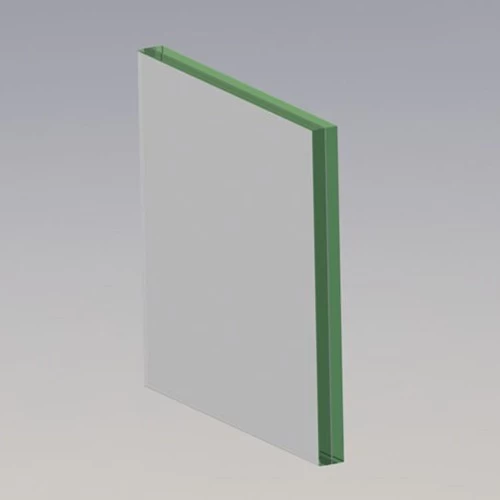
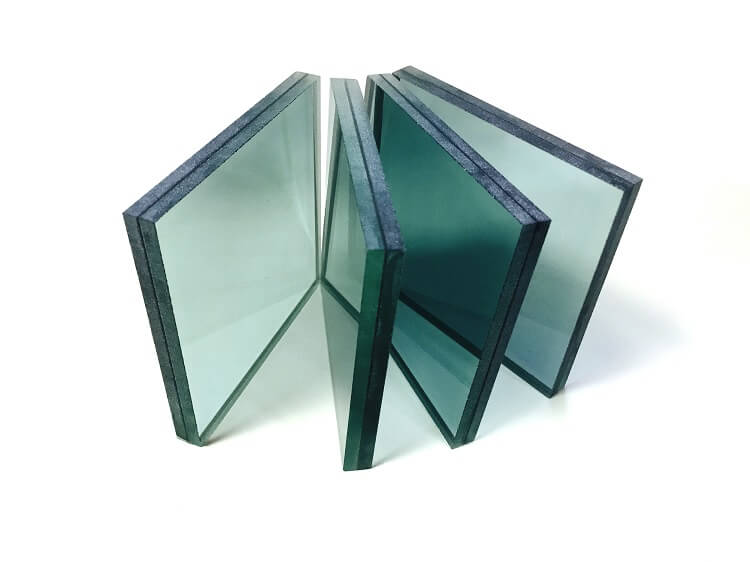
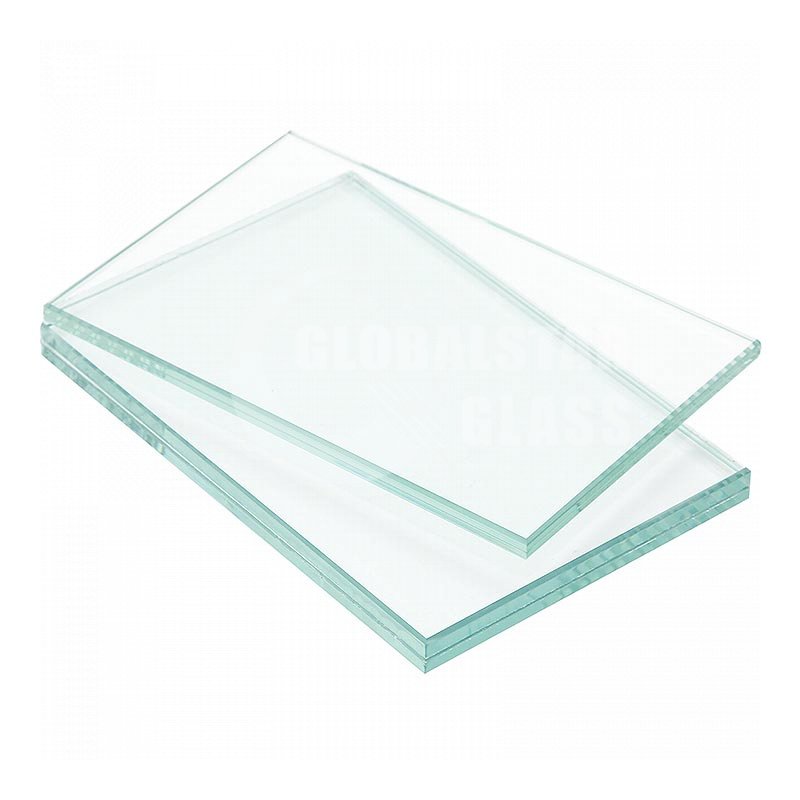
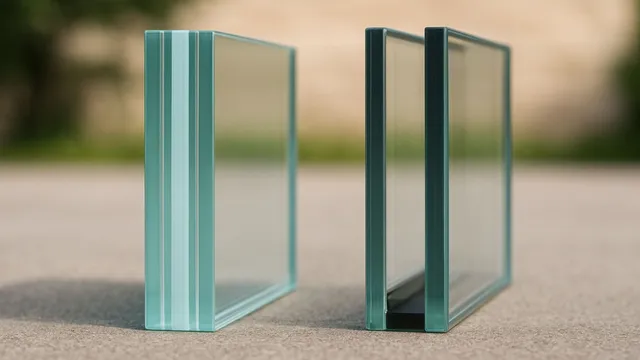
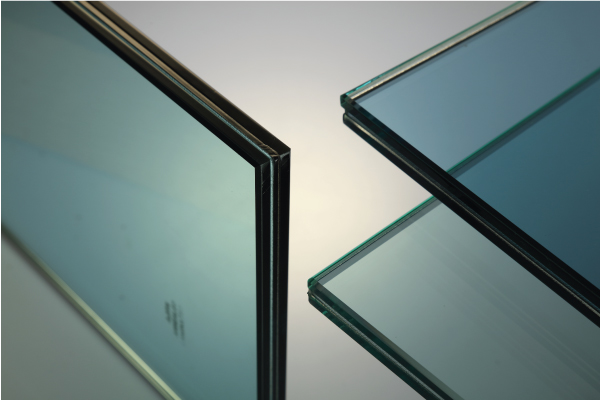
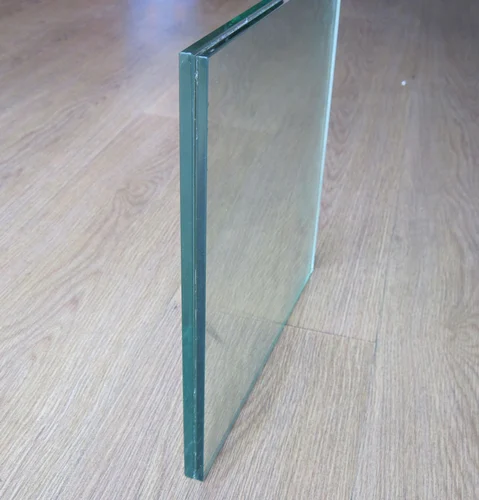
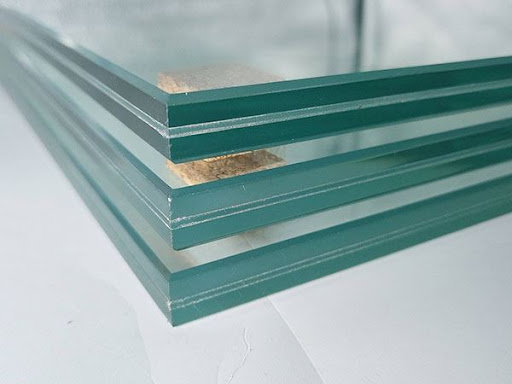
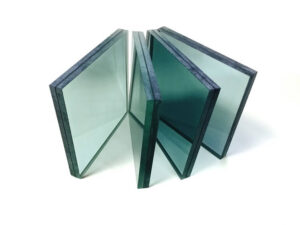
Laminated Glass is a high-performance safety glazing material composed of two or more glass panels bonded with a polyvinyl butyral (PVB) or ethylene-vinyl acetate (EVA) interlayer. It is primarily used in architectural facades, automotive windshields, security barriers, and hurricane-resistant glazing systems. The key value proposition lies in its ability to remain intact upon impact, providing superior safety, sound insulation, and UV protection. As global construction and transportation sectors prioritize occupant protection and regulatory compliance, laminated glass has become a strategic substitute for standard tempered or annealed glass in high-risk and high-value environments.
2. Key Specifications & Technical Characteristics
-
Material Components: Float glass (annealed, heat-strengthened, or tempered) + PVB/EVA/SGP interlayer (0.38mm to 3.04mm thickness)
-
Purity / Grade: Commercial Grade (ANSI Z97.1), Automotive Grade (ECE R43), Architectural Grade (EN 14449, ASTM C1172)
-
Physical Characteristics:
-
Form: Flat or curved rigid panels
-
Color: Clear, extra-clear, bronze, gray, green, blue, low-iron
-
Thickness range: 6.38mm to 50mm (custom laminate stacks)
-
Density: ~2.5 g/cm³ (glass only)
-
-
Packaging Options: Interleaved paper separation + wooden stillages (A-frame or flat-pack), shrink-wrapped with edge protectors, container-ready
-
Shelf Life: Indefinite if stored dry (15–30°C, <70% RH) – interlayer edge sealing required to prevent moisture ingress
3. Core Industrial Applications
-
Primary industries: Building & construction (curtain walls, skylights, balustrades, floor glazing), automotive (windshields, side lites), security (banks, embassies, jewelry displays), hurricane zones (Florida/Miami-Dade certified)
-
Specific use cases:
-
Fall protection – glass floors, overhead glazing, stair railings (post-breakage glass stays bonded to interlayer)
-
Forced entry resistance – multi-layer SGP laminates with 9+ mm glass thickness
-
Acoustic insulation – airports, schools, hospitals (PVB reduces sound transmission class up to 45 dB)
-
-
Performance advantages vs. alternatives:
-
Vs. tempered glass: No spontaneous breakage; retains shards → reduced injury risk and post-breakage security
-
Vs. acrylic/polycarbonate: Higher scratch resistance, UV stability, and long-term clarity
-
Cost efficiency: Lower insurance premiums due to reduced liability, longer replacement cycle
-
4. Competitive Advantages
-
Quality consistency: ISO 9001:2025 certified production with inline optical distortion, pinhole, and bubble inspection (≤0.5 mm defects per m²).
-
Supply reliability: Dedicated float line + PVB extruder integration → lead times <21 days for standard configurations.
-
Logistics capability: Global hub warehouses (Rotterdam, Houston, Shanghai) enabling split container shipments for mixed thicknesses.
-
Price competitiveness: Direct procurement of interlayer from Eastman (SentryGlas®) and Kuraray (Trosifol®) eliminates broker markups.
-
Sustainability: Up to 40% post-industrial recycled glass content (EN 15804 compliant) and 100% recyclable laminated offcuts.
-
Technical support: Full documentation package (declaration of performance, CE/UKCA/ANSI certificates, finite element modeling data for structural engineers).
5. Commercial & Supply Information
-
Minimum order quantity (MOQ): BULK 20MT (approx. 330 m² of 10mm clear laminated glass)
-
Loading capacity per 20ft container: 24MT (glass weight approx. 2,500 kg per 100 m² of 10mm thickness)
-
Loading capacity per 40ft HC container: 26MT (maximum by road weight limit; volume limited up to 1,200 m² of 6.38mm)
Reviews
There are no reviews yet.