
Description
1. Product Overview
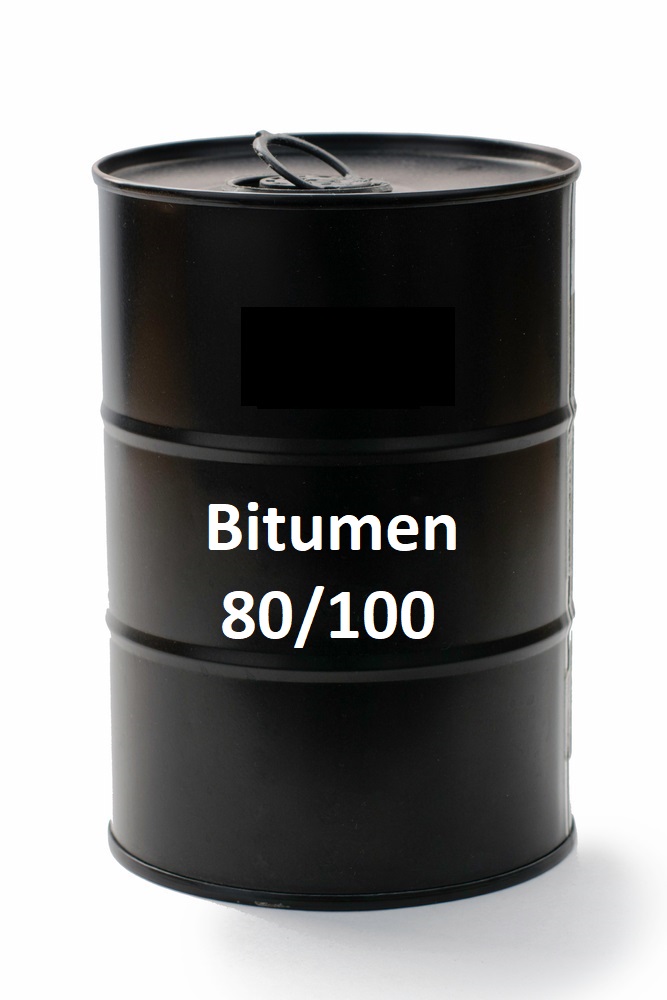
Bitumen 80/100 is a medium-hard penetration-grade bitumen refined from crude oil, engineered for optimal performance in road construction and industrial applications requiring a precise balance between stiffness and flexibility. Its primary industrial use is as a binder in hot mix asphalt (HMA) for paving roads, highways, and airfields in moderate climate zones. The key value proposition lies in its superior workability and compaction characteristics, which reduce application costs while extending pavement fatigue life. Strategically, Bitumen 80/100 remains indispensable for infrastructure projects where durability and resistance to thermal cracking are mission-critical.
2. Key Specifications & Technical Characteristics
-
Chemical composition: High-molecular-weight hydrocarbons (asphaltenes, resins, aromatics, saturates) – no volatile organic additives
-
Grade / Purity: Penetration Grade 80/100 (ASTM D946 / EN 12591 compliant)
-
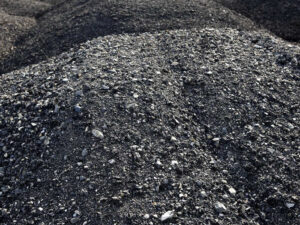
Physical form: Viscous semi-solid at ambient temperature; black, glossy, homogeneous
-
Penetration (25°C, 100g, 5s): 80–100 dmm (0.1 mm)
-
Softening point (Ring & Ball): 42–50°C
-
Density (25°C): ~1.01–1.05 g/cm³
-
Ductility (25°C, 5 cm/min): >100 cm
-
Flash point (Cleveland open cup): ≥250°C
-
Solubility in trichloroethylene: ≥99.5%
-
Packaging options:
-
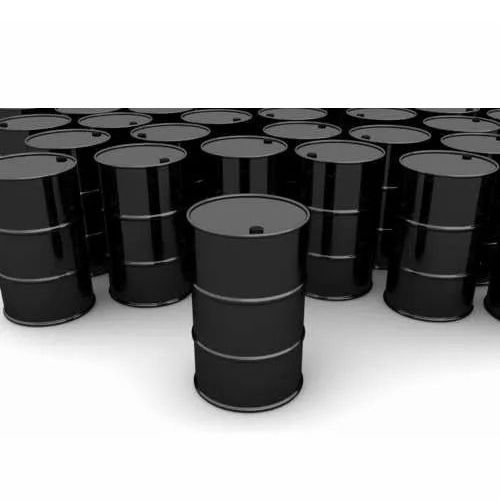
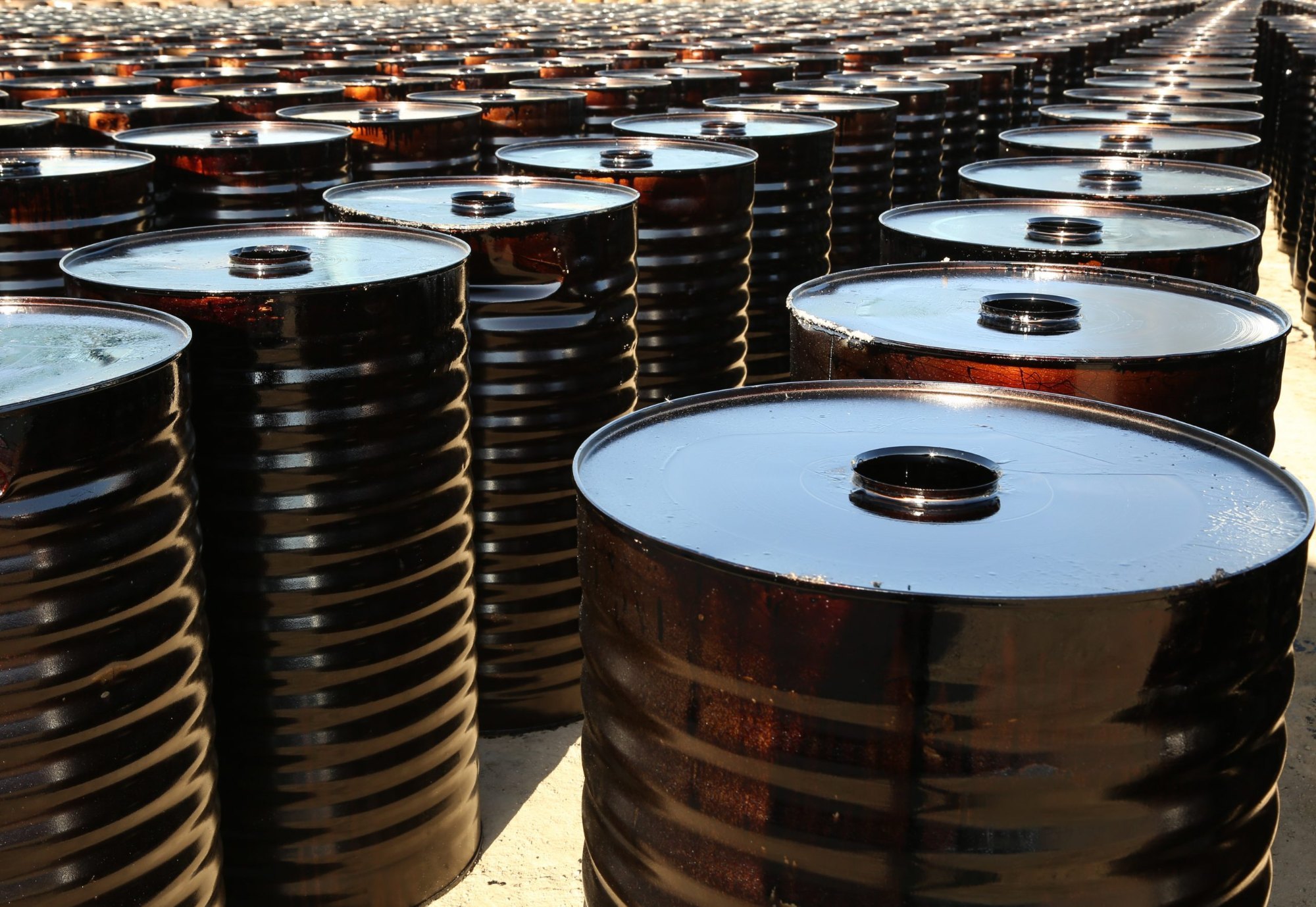
New steel drums (180–220 kg)
-
Bulk flexitanks (20–22 MT per 20’ container)
-
Heated tankers / ISO tanks (bulk shipment)
-
-
Shelf life: >24 months when stored properly (protected from heat, moisture, UV; kept at <100°C in tanks)
3. Core Industrial Applications
-
Primary industries: Road construction, airport infrastructure, waterproofing membrane manufacturing, and port logistics.
-
Operational use cases:
-
Base, binder, and wearing courses for roads in temperate climates (e.g., Europe, North America, parts of Asia)
-
Airport runways requiring rut resistance and thermal crack mitigation
-
Prime and tack coats between pavement layers
-
Manufacturing of modified bitumen sheets for roofing and bridge deck waterproofing
-
-
Performance advantages vs. alternatives:
-
Compared to harder grades (e.g., 30/40): Easier mixing and compaction at lower temperatures → reduced fuel consumption and emissions.
-
Compared to softer grades (e.g., 120/150): Higher resistance to permanent deformation (rutting) under heavy traffic.
-
Efficiency gain: 10–15% lower energy requirement during asphalt plant heating vs. 40/50 grade.
-
Durability: Balanced penetration-retention index (PRI) extends pavement life by 3–5 years in moderate climates.
-
4. Competitive Advantages
-
Quality consistency: ISO 9001:2025 certified production; every batch independently tested by SGS or Intertek prior to dispatch.
-
Supply reliability: Dual refinery sourcing + 12 dedicated storage terminals across major export hubs (Middle East, Southeast Asia, Europe).
-
Logistics capability: In-house fleet of heated tankers; 48-hour dispatch for bulk orders; container stuffing at origin.
-
Price competitiveness: Long-term crude-linked pricing with volume discounts of 3–8% above 500 MT/month.
-
Sustainability benefits: Low fume formulation; compatible with recycling agents (e.g., RAP – reclaimed asphalt pavement) up to 30% content.
-
Technical support: Full Material Safety Data Sheet (MSDS), application guides, and on-site mixing temperature recommendations provided.
5. Commercial & Supply Information
-
Minimum Order Quantity (MOQ):
-
Bulk (flexitank / tanker): 20 MT
-
Steel drums: 216 drums (approx. 20 MT)
-
-
Loading capacity per 20’ container (flexitank): 20–22 MT
-
Loading capacity per 40’ container (palletized drums): 42–44 MT (approx. 216 drums)
-
Delivery terms: FOB, CIF, CFR (major ports: Jebel Ali, Rotterdam, Houston, Singapore)
-
Lead time: 7–14 days from confirmed LC or TT deposit
Reviews
There are no reviews yet.