
Description
1. Product Overview
Bitumen 60/70 is a high-performance, penetration-graded binder derived from the fractional distillation of crude oil, engineered to deliver optimal viscosity and thermal stability for heavy-duty pavement construction. Its primary industrial use is as a thermoplastic adhesive and waterproofing agent in road building, airport runways, and hydraulic applications. The key value proposition lies in its balanced stiffness and ductility, ensuring long-term resistance to rutting at high temperatures and cracking at low temperatures. Strategically, this grade is the global benchmark for mid-climate infrastructure projects, offering the most reliable lifecycle cost-to-performance ratio in the asphalt market.
2. Key Specifications & Technical Characteristics
-
Chemical composition: Hydrocarbon base (asphaltenes & maltenes); non-carcinogenic per IARC; no polymer modification.
-
Purity/Grade: 99.9% pure bitumen; Penetration Grade 60/70 (ASTM D5 / EN 1426).
-
Physical characteristics:
-
Form: Viscous semi-solid at 25°C; liquid above 100°C
-
Color: Black
-
Penetration (25°C): 60–70 dmm
-
Softening Point (R&B): 49–56°C (ASTM D36)
-
Density (25°C): 1.01–1.06 g/cm³
-
Flash Point: 230°C min (COC)
-
-
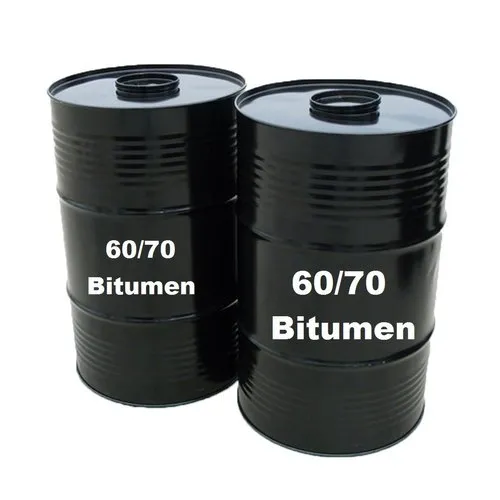
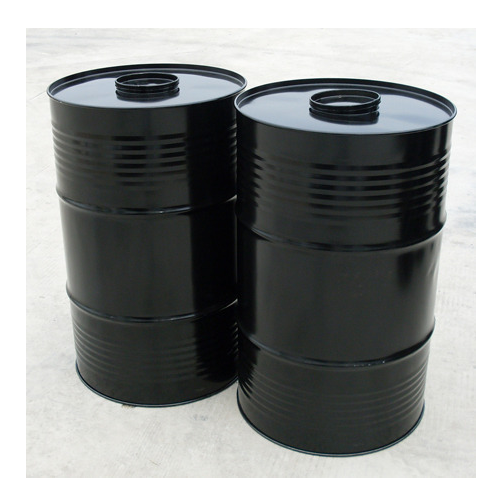
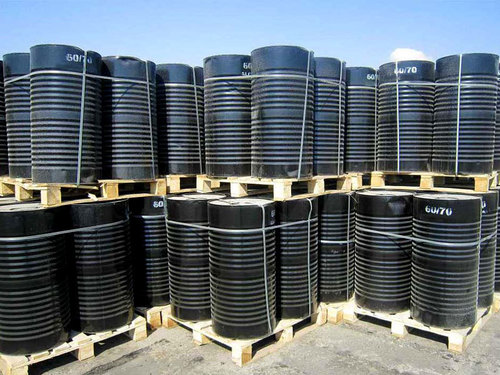
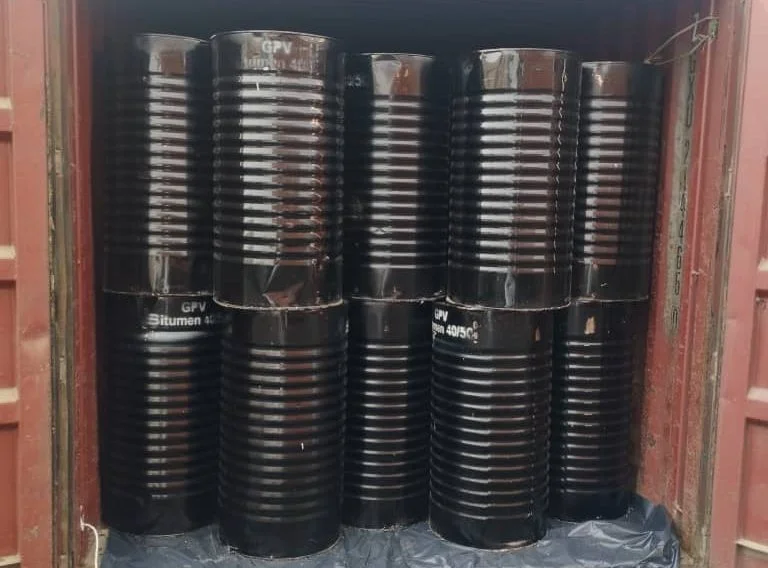
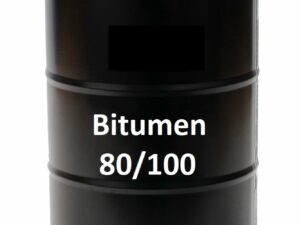
Packaging options: Bulk in tanker trucks (25–30 MT); new steel drums (180–220 kg); jumbo bags (1,000–1,200 kg); flexitanks for containers.
-
Shelf life: ≥24 months in original sealed container, protected from moisture and extreme heat.
3. Core Industrial Applications
-
Primary industries: Road & highway construction, airport infrastructure, waterproofing membrane manufacturing, dam lining, and port terminals.
-
Operational use cases:
-
Asphalt concrete base/wearing courses: Provides superior aggregate coating and compaction workability.
-
Prime coat & tack coat: Ensures interlayer bonding between pavement lifts.
-
Mastic asphalt flooring: For industrial warehouses and bridge decks.
-
-
Performance advantage vs. alternatives:
-
Vs. softer grades (80/100): 60/70 offers higher resistance to permanent deformation (rutting) under heavy wheel loads.
-
Vs. harder grades (40/50): Easier to handle and compact at lower laydown temperatures, reducing fuel costs and emissions.
-
Vs. polymer-modified bitumen (PMB): Lower upfront material cost with predictable long-term aging behavior for moderate climates.
-
4. Competitive Advantages
-
Quality consistency: ISO 9001:2021 certified refinery; batch-to-batch variation <2% for penetration and softening point.
-
Supply reliability: Dedicated deep-water loading terminals with 24/7 logistics support; buffer stock of 5,000+ MT maintained regionally.
-
Logistics capability: Heated tanker fleet (temperature-controlled up to 160°C); multiport shipping (Rotterdam, Jebel Ali, Houston, Singapore).
-
Price competitiveness: Direct refinery pricing with volume-based discounts; no hidden demurrage fees for on-time cargo receipt.
-
Sustainability: Lifecycle assessment (LCA) available; compatible with Recycled Asphalt Pavement (RAP) up to 40%; low fume emission formulation.
-
Technical support: Full Material Safety Data Sheet (MSDS), Certificate of Analysis (CoA) per shipment, and on-site application troubleshooting included.
5. Commercial & Supply Information
-
Minimum Order Quantity (MOQ): 20 metric tons (MT) – equivalent to one full container load for bulk industrial buyers.
-
Loading capacity per container:
-
20-ft standard dry container: 20 MT (20–22 palletized drums or flexitank)
-
20-ft isotank: 22–24 MT
-
Bulk tanker truck: 25–30 MT
-
Bulk vessel (break-bulk): 5,000–20,000 MT per cargo lot
-
Reviews
There are no reviews yet.