
Description
1. Product Overview
Oil Well Cement Class H is a high-performance, API-specification hydraulic cement engineered for oil and gas well cementing operations, particularly in depths ranging from 2,440 to 4,880 meters (8,000–16,000 feet). Its primary industrial use is as a downhole sealing and zonal isolation material in casing and wellbore applications. The key value proposition lies in its controlled set time, high sulfate resistance, and compatibility with common retarders and accelerators—delivering operational predictability and mechanical integrity under extreme downhole pressures and temperatures. Strategically, Class H cement is the industry benchmark for production and injection wells, enabling safe, long-term well integrity and reducing non-productive time for global E&P operators.
2. Key Specifications & Technical Characteristics
-
Chemical composition: Portland cement base with limited C₃A content (≤3%) for high sulfate resistance; C₄AF + 2×C₃A ≤ 24%
-
Purity / Grade: API Specification 10A – Class H (moderate sulfate-resistant, suitable for depths with retarder addition)
-
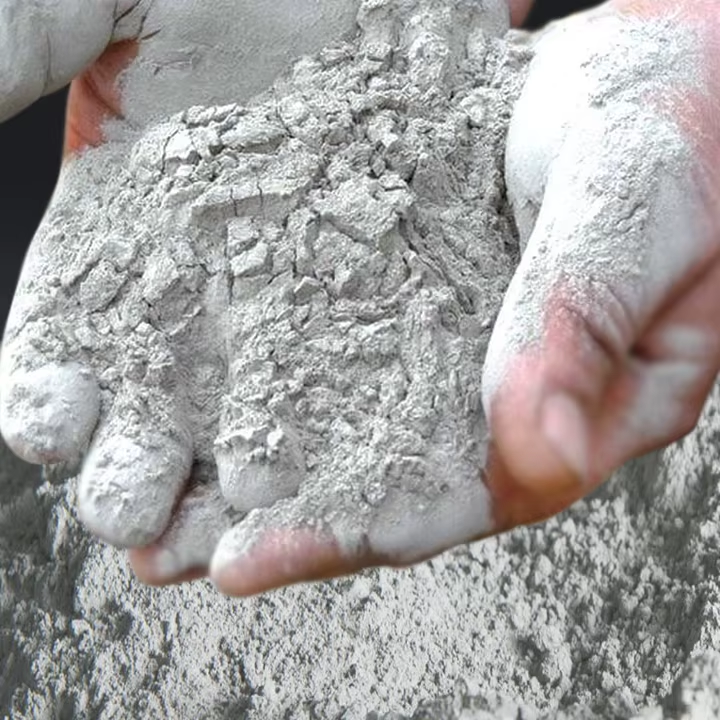
Physical form: Fine gray powder
-
Blaine fineness: 2,800–3,000 cm²/g (typical)
-
Particle size: D90 ≤ 90 µm
-
Density (absolute): 3.14–3.16 g/cm³
-
Slurry density (neat): 1,970 ± 20 kg/m³ (15.6–15.9 lb/gal)
-
Thickening time (neat @ 52°C / 126°F): 90–120 minutes (controllable with additives)
-
Compressive strength (24h @ 60°C): ≥ 13.8 MPa (2,000 psi)
-
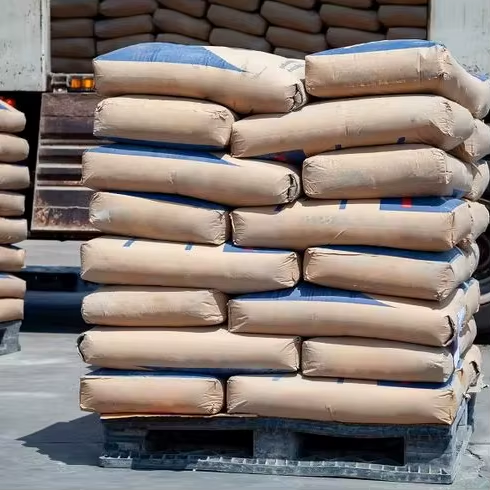
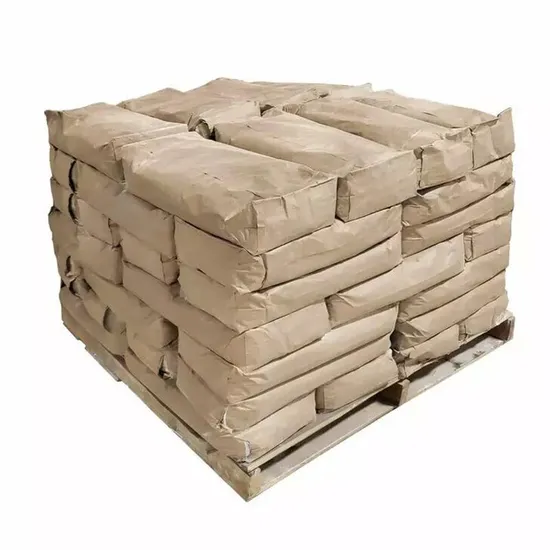
Packaging options: 50 kg multi-wall paper bags, 1.5 MT big bags, or pneumatic bulk truck / vessel delivery
-
Shelf life: 6 months in dry, unopened bags (extendable to 12 months with climate-controlled storage)
3. Core Industrial Applications
-
Primary industries: Oil & gas exploration, offshore drilling, geothermal well construction, and carbon capture & storage (CCS) well plugging.
-
Specific use cases:
-
Surface and intermediate casing cementing in onshore/offshore wells
-
Production zone isolation in high-pressure, high-temperature (HPHT) environments
-
Remedial squeeze cementing and plug-and-abandonment (P&A) operations
-
-
Performance advantage over alternatives:
-
Compared to Class G: Broader temperature operating window with standard retarders; less prone to flash setting.
-
Compared to conventional cements: Lower permeability and higher long-term durability in H₂S/CO₂-rich brines.
-
Cost advantage: Reduced need for multiple cement classes on a single rig site; one Class H inventory covers most intermediate-to-deep sections.
-
4. Competitive Advantages
-
Quality consistency: API monogram certification plus third-party lab testing per batch; <2% coefficient of variation in thickening time.
-
Supply reliability: Dedicated silo storage at multiple port hubs (Houston, Rotterdam, Fujairah, Singapore) with 24/7 order-to-dispatch lead times.
-
Logistics capability: Just-in-time pneumatic delivery to offshore supply vessels or on‑site silos; demurrage risk reduction through real-time tracking.
-
Price competitiveness: Direct mill contracts with Tier‑1 clinker producers; volume-based pricing tiers for annual frame agreements.
-
Sustainability: Low‑carbon clinker substitution options (up to 15% fly ash or slag) available without API recertification for non‑critical sections.
-
Technical support: Free access to WellCem™ additive selection software; on‑request compatibility testing with field‑specific retarders and friction reducers.
5. Commercial & Supply Information
-
Minimum Order Quantity (MOQ): 20 MT (metric tons) – equivalent to one bulk pneumatic truckload or 400 × 50 kg bags
-
Loading capacity (per 20‑ft dry container): 26 MT
(Note: Bulk containers not recommended for bagged product; use 20‑ft containers for 26 MT bagged or 20‑ft open‑top for big bags – consult logistics sheet) -
Lead time: 14 days ex‑mill (Asia / Middle East), 21 days ex‑mill (Americas / Europe) for bulk shipments ≥200 MT.
-
Incoterms: FOB, CIF, or CFR available upon contract.
Reviews
There are no reviews yet.