
Description
1. Product Overview
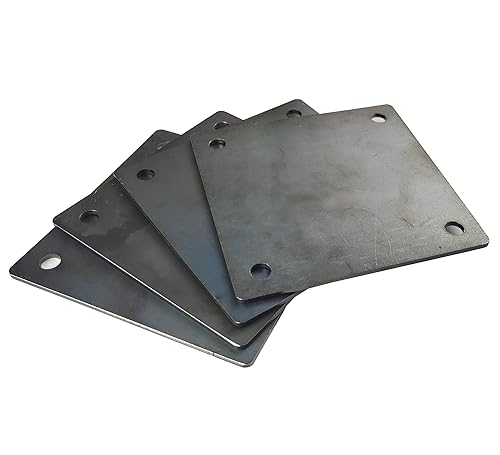
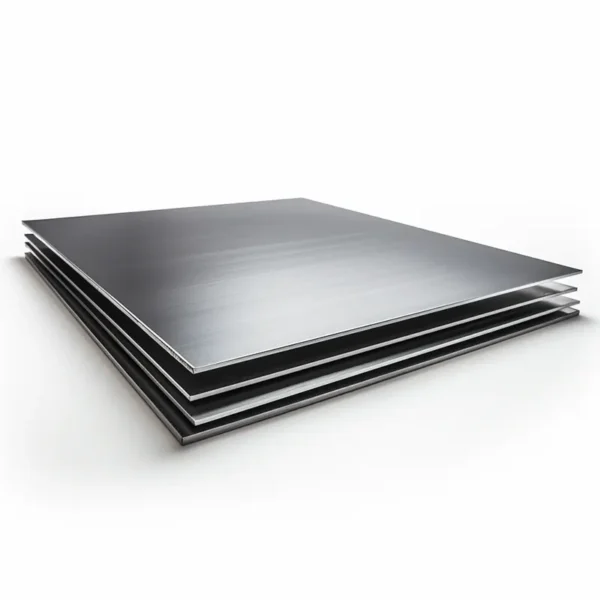
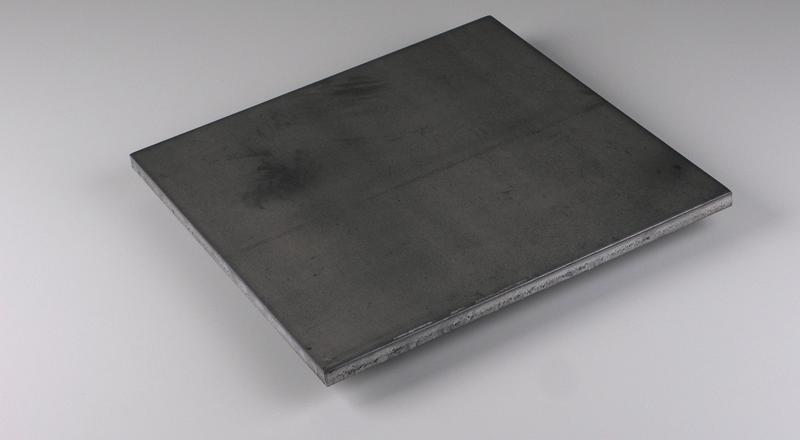
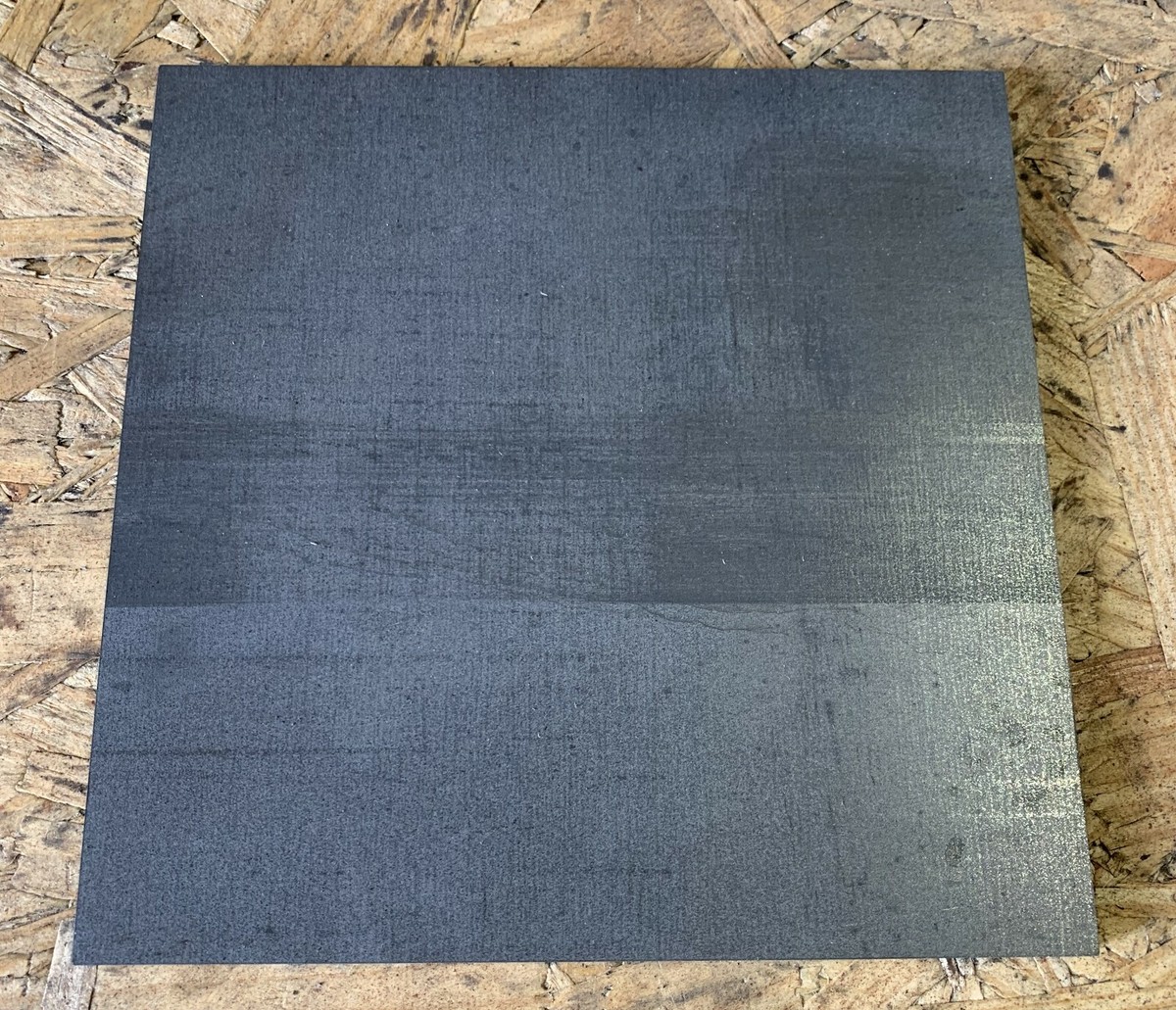
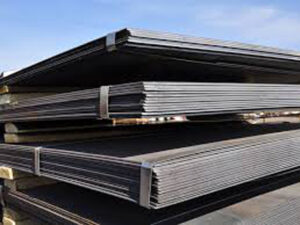
Steel Plates A36 are low-carbon, general-purpose structural steel plates certified to ASTM A36 / A36M standard. They are primarily used in bridge and building construction, heavy machinery fabrication, and oil & gas infrastructure. The key value proposition is an optimal balance of weldability, formability, and moderate strength at a competitive cost per ton. Strategically, A36 remains the most specified carbon steel plate globally because it enables rapid fabrication without preheating (for most thicknesses), reducing both lead time and total project cost.
2. Key Specifications & Technical Characteristics
-
Chemical composition (max):
-
Carbon: 0.25–0.29%
-
Manganese: 0.80–1.20%
-
Phosphorus: 0.04%
-
Sulfur: 0.05%
-
Copper (when specified): 0.20% min
-
-
Tensile strength: 400–550 MPa (58–80 ksi)
-
Yield strength (min): 250 MPa (36 ksi)
-
Elongation (min): 20% for 200mm gauge length
-
Physical form: Hot-rolled plates, mill edge or sheared edge
-
Thickness range: 3mm – 150mm (1/8″ – 6″)
-
Width range: 600mm – 3,200mm
-
Length range: 2,000mm – 12,000mm (custom lengths available)
-
Surface condition: As-rolled, pickled, or oiled
-
Density: 7.85 g/cm³
-
Packaging: Naked, edge-protected, steel strapped pallets or seaworthy export bundles with moisture barrier
-
Shelf life: Indefinite when stored dry (no degradation of mechanical properties)
3. Core Industrial Applications
-
Construction & civil engineering: Bridge girders, building columns, foundation plates, and temporary shoring. Advantage: Superior weldability reduces fabrication defects vs. higher-carbon grades.
-
Heavy equipment manufacturing: Bulldozer blades, crane booms, mining truck frames, and excavator components. Advantage: Excellent formability allows cold bending without cracking, lowering die wear.
-
Oil & gas infrastructure: Pipeline supports, offshore platform decks, storage tank floors. Advantage: Consistent impact toughness at moderate temperatures reduces brittle fracture risk.
-
Shipbuilding (commercial): Bulkhead stiffeners, deck plates (non-hull critical). Advantage: Lower cost per ton compared to marine-grade AH36 for secondary structures.
-
General fabrication: Machine bases, press frames, jigs, and industrial shelving. Advantage: Readily available from multiple mills → shorter lead times.
4. Competitive Advantages
-
Quality consistency: Mill test reports (MTRs) traceable to heat number; third-party inspection (SGS, BV, TÜV) optional. Yield strength variation <3% across production runs.
-
Supply reliability: Dual sourcing from ASEAN, Middle East, and East Asian mills with buffer stock in Rotterdam, Houston, and Shanghai hubs.
-
Logistics capability: 24/7 order tracking; average lead time 14–21 days FOB to major ports. Cut-to-size and plasma-cut shapes available.
-
Price competitiveness: Direct mill contracts remove 2–3 intermediary margins. Volume discounts >500MT.
-
Sustainability: Up to 95% recycled content in EAF-produced plates; ISO 14001-certified mills. Provide Environmental Product Declaration (EPD) on request.
-
Technical support: Free welding procedure recommendations (WPS), dimensional tolerance guidance per ASTM A6, and failure analysis support.
5. Commercial & Supply Information
-
Minimum Order Quantity (MOQ): BULK 20MT (mix of thicknesses allowed within same shipment)
-
Loading capacity per standard 20ft container:
-
20MT (maximum payload, depending on plate dimensions)
-
-
Loading capacity per standard 40ft container:
-
25MT – 28MT (actual depends on plate length/width)
-
-
Incoterms offered: FOB, CFR, CIF, EXW
-
Lead time for MOQ: 10 days ex-mill; 18 days FOB port
Reviews
There are no reviews yet.