
Description
1. Product Overview
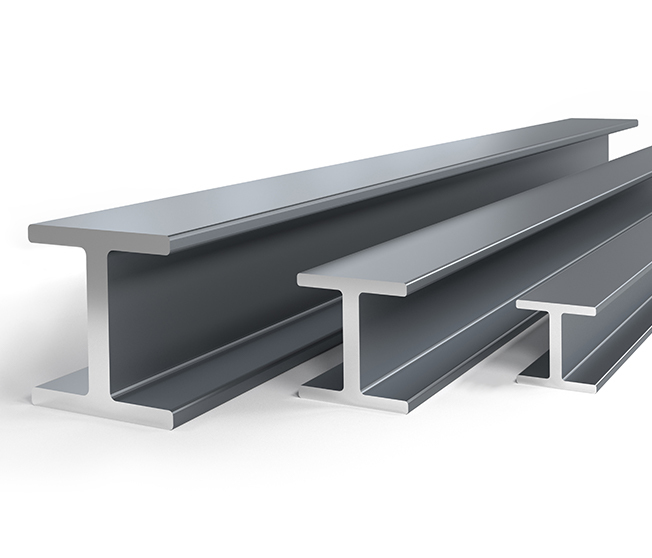
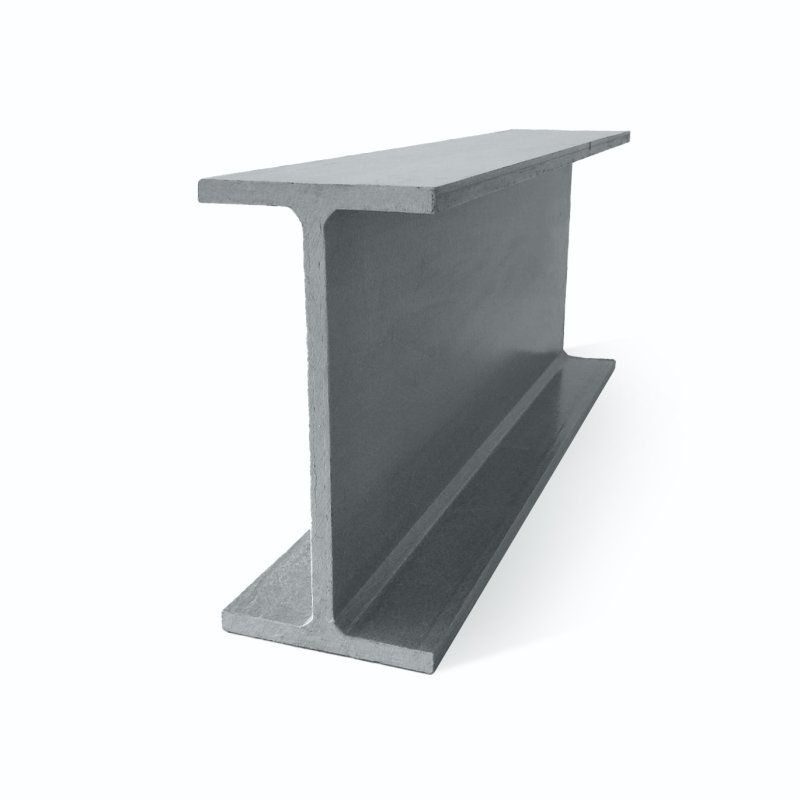
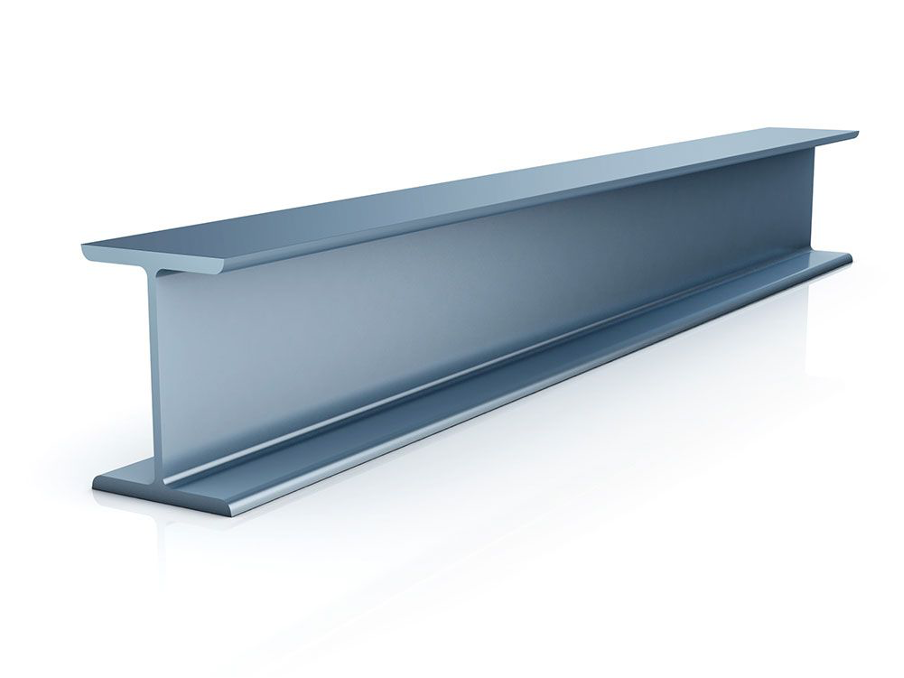
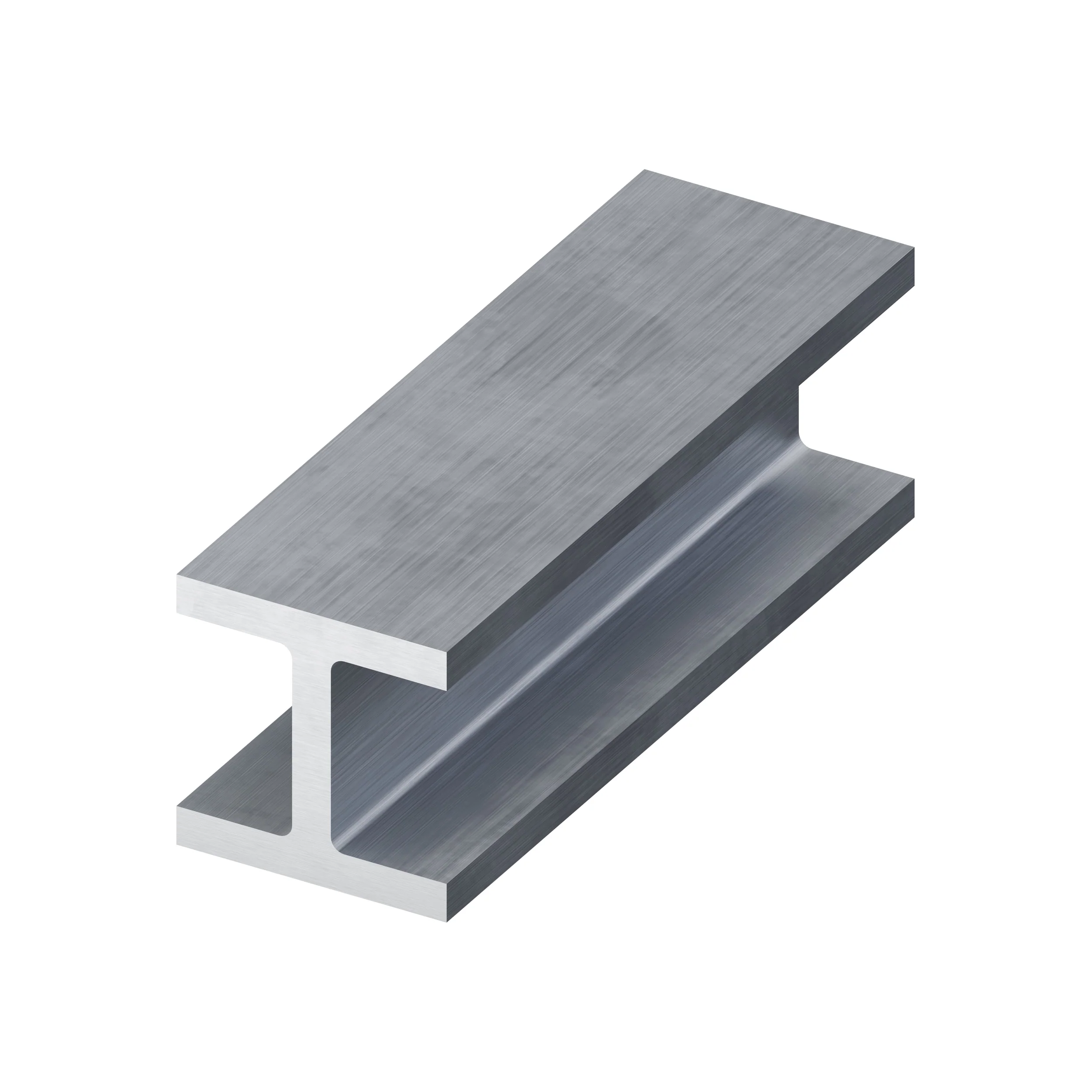
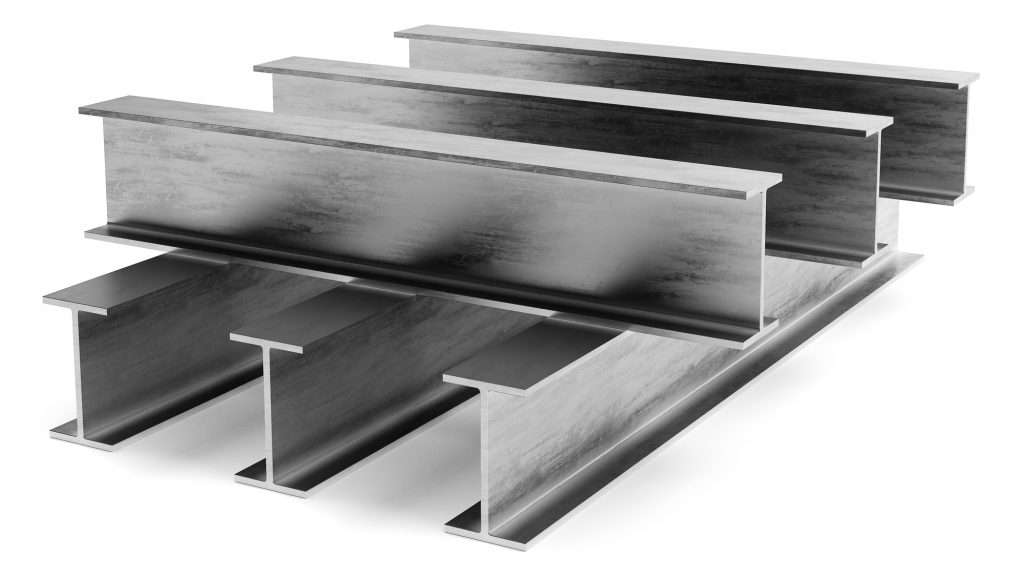
I-Beams are structural steel members shaped as a capital “I,” engineered to deliver superior load-bearing capacity with minimal material weight. They are primarily used in heavy construction, infrastructure, and industrial framing to support bending, shear, and axial loads. The key value proposition is an optimized strength-to-weight ratio that reduces overall project steel tonnage while maintaining structural integrity. In a market driven by cost-per-ton and safety margins, I-Beams are strategically indispensable for high-rise buildings, bridges, and plant facilities—directly influencing project lifecycle costs and compliance with international design codes (AISC, EN, JIS).
2. Key Specifications & Technical Characteristics
-
Material Composition: Low-carbon steel (Q235B, Q355B, ASTM A36, S275JR, S355JR) or high-strength low-alloy (HSLA) grades
-
Grade Options: Commercial, structural, and high-tensile; yield strength from 235 MPa to 500 MPa
-
Physical Characteristics:
-
Height (web depth): 100 mm – 900 mm
-
Flange width: 50 mm – 300 mm
-
Web thickness: 4.5 mm – 21 mm
-
Length: 6 m, 9 m, 12 m, or custom up to 18 m
-
Finish: Bare, primed, or hot-dip galvanized (Z275+)
-
-
Tolerances: EN 10034 / ASTM A6 / JIS G3192 compliant
-
Packaging Options: Naked bundles (strapped + wooden spacers), seaworthy export packing, or color-coded end caps
-
Shelf Life: Indefinite under dry, covered storage (no chemical degradation)
3. Core Industrial Applications
-
Primary Industries: Commercial construction, bridge & viaduct engineering, port & harbor structures, industrial warehouses, mining support frames, and power plant superstructures.
-
Specific Use Cases: Primary framing for multi-story buildings; crane runways; mezzanine floors; shipyard gantry supports; tunnel primary linings.
-
Performance Advantage vs. Alternatives: Compared to H-beams, I-Beams offer lower self-weight for the same span—reducing foundation costs and crane lifting expenses. Versus concrete, I-Beams enable faster erection (no curing) and 100% recyclability at end-of-life. Their parallel flange design simplifies bolted/welded connections, cutting fabrication labor by ~15–20% relative to channel sections or custom plate girders.
4. Competitive Advantages
-
Quality Consistency: ISO 9001:2025 certified mills; ultrasonic testing (UT) and positive material identification (PMI) available per batch.
-
Supply Reliability: Stocking programs covering 50+ standard profiles; 98% on-time delivery track record for annual frame agreements.
-
Logistics Capability: Global hub network (Rotterdam, Houston, Shanghai, Jebel Ali) enabling split shipments for just-in-time construction.
-
Price Competitiveness: Direct mill allocation removes 2–3 intermediary margins; fixed-price quarterly contracts with collars.
-
Sustainability: EPD-certified; average recycled content >90%; production emissions ≤0.9 tCO₂ per tonne of steel.
-
Technical Support: Full drawing takeoff service, connection design verification, and 3D BIM-ready CAD libraries (Revit, Tekla).
5. Commercial & Supply Information
-
Minimum Order Quantity (MOQ): BULK 20MT (single size or mixed sizes within one heat number)
-
Loading capacity (MT per container):
-
20’ standard container: 20 MT (theoretical max; actual depends on length – ≤6m only)
-
40’ flat rack / open top: 26–28 MT for lengths 12m
-
Preferred bulk loading: 20 MT / 20’ flat rack or 24–26 MT / 40’ flat rack
-
Breakbulk / LCL: Not offered – full container or full truckload (FTL) only
-
Reviews
There are no reviews yet.