
Description
1. Product Overview
This product is a high-yield, industrially sourced Aluminium Dross and Salt Cake residue, specifically processed for use as a secondary raw material in aluminium recovery and fluxing operations. Its primary industrial application is as a feedstock for rotary furnaces in aluminium smelters and refiners, enabling the extraction of residual metallic aluminium. The key value proposition is the recovery of 5–15% trapped aluminium content, offering a superior cost-per-unit-metal economics compared to virgin ore. Strategically, this material is critical for the circular economy, reducing landfill dependency and lowering carbon emissions in global aluminium supply chains.
2. Key Specifications & Technical Characteristics
-
Chemical Composition: Metallic Al (5–15%), Al₂O₃ (40–60%), NaCl (15–25%), KCl (10–20%), trace oxides (SiO₂, Fe₂O₃, MgO)
-
Purity / Grade: Standard industrial recycling grade; free from hazardous heavy metals (Pb, Hg, Cd) per EPA/REACH limits
-
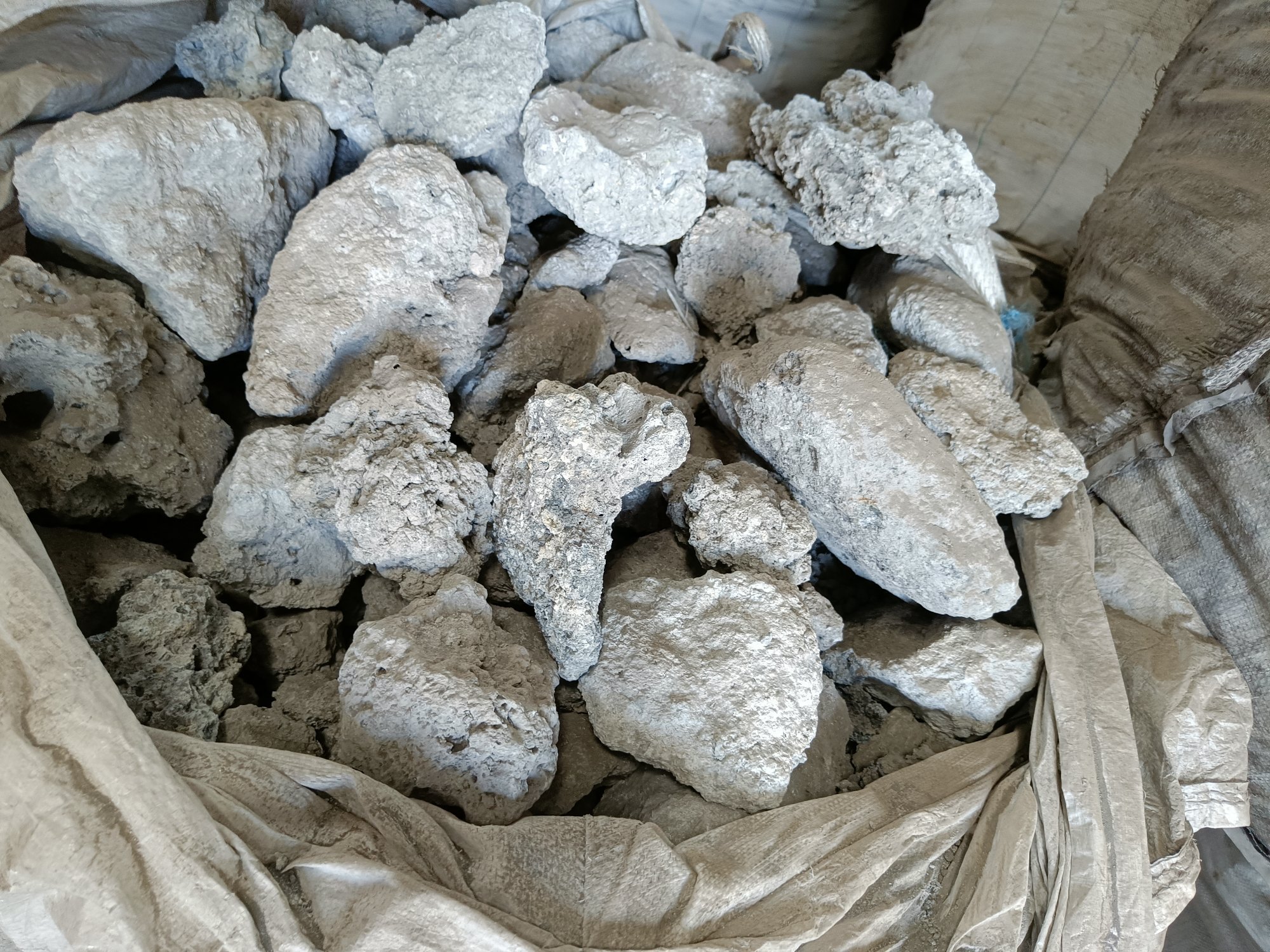
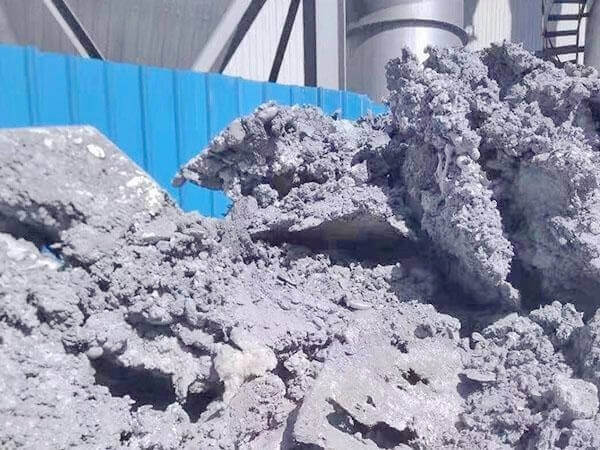
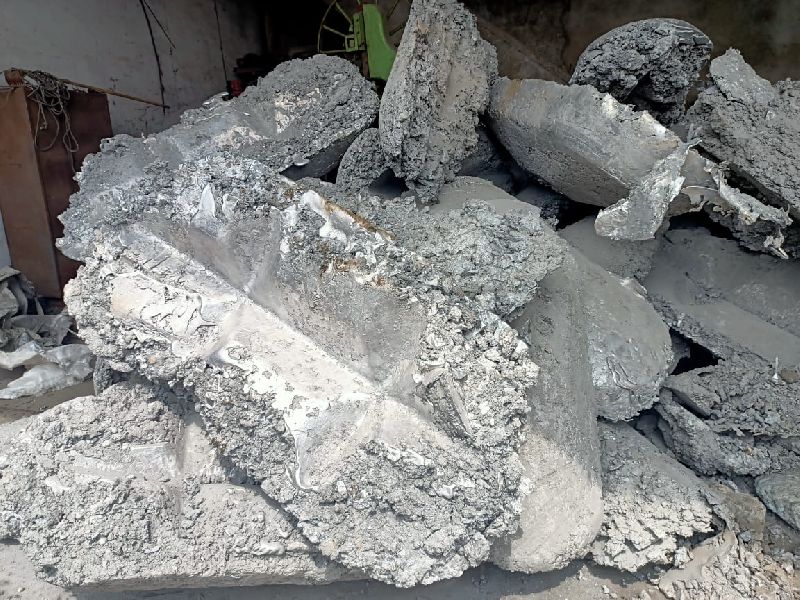
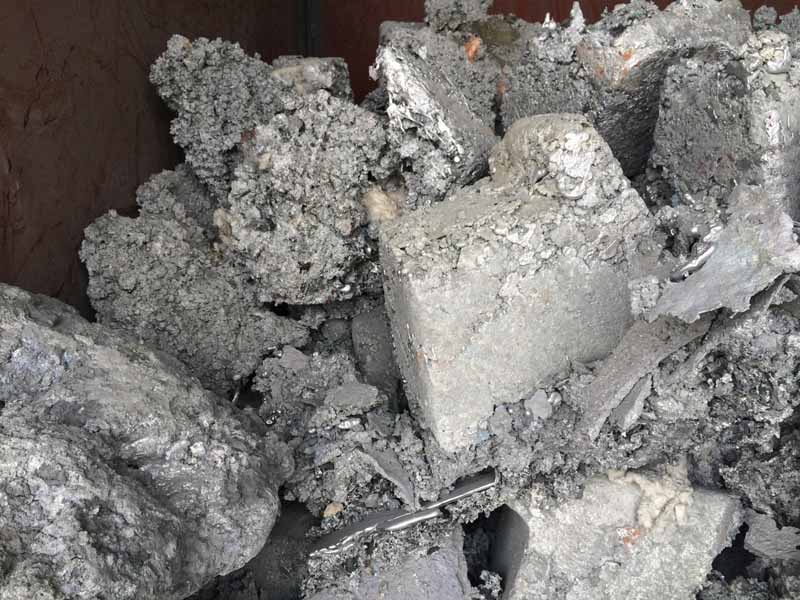
Physical Form: Granular to fine powder; grey-black to light grey color
-
Particle Size: 0.1 mm – 10 mm (90% passing 5 mm sieve); minimal dust fraction (<5% under 0.1 mm)
-
Bulk Density: 1.2 – 1.5 t/m³ (loose); 1.6 – 1.8 t/m³ (tapped)
-
Moisture Content: < 2% as shipped (dry process)
-
Packaging Options: 1.5 MT big bags (weather-resistant PP woven); bulk pneumatic tankers; 25 kg sealed poly-lined bags (for R&D/trial)
-
Shelf Life: 24 months in dry, covered storage (avoid moisture ingress to prevent hydrogen off-gassing)
3. Core Industrial Applications
-
Primary Industry: Secondary aluminium smelting & refining (casthouses, recyclers, dross processors)
-
Specific Use Cases:
-
Rotary furnace feedstock – for recovering metallic aluminium via salt fluxing
-
Slag conditioner in steelmaking (as a low-cost Al₂O₃ source)
-
Raw material for synthetic flux production (after re-processing)
-
-
Performance vs. Alternatives: Replaces virgin bauxite or cryolite with 40–60% lower cost per aluminium unit. Higher energy efficiency (melting point ~660°C vs. bauxite >1500°C). Verified metallic Al recovery rate of 8–12% in industrial trials.
-
Efficiency & Cost Advantage: Reduces dross landfill fees (saving ~$50–120/MT); yields saleable aluminium salt cake byproduct; lower transportation emissions due to higher density than raw bauxite.
4. Competitive Advantages
-
Quality Consistency: Batch-tested via XRF for metallic Al % and salt content; tolerance within ±1.5% of stated Al content – guaranteed in COA.
-
Supply Reliability: Sourced from primary smelters and dross processors under long-term offtake agreements; year-round availability (no seasonal variability).
-
Logistics Capability: Dedicated bulk handling network – pneumatic discharge, dust-controlled loading; rail/road/truck-to-vessel coordination.
-
Price Competitiveness: Indexed to LME Al minus recovery value; fixed quarterly contracts available for volumes >1,000 MT/month.
-
Environmental Compliance: Non-hazardous classification per UN3077 (Class 9) – safe for cross-border trade. Zero liquid discharge processing. Meets EU Battery Regulation (2023/1542) for low heavy metal content.
-
Technical Support: Full MSDS, processing optimization guide, and free lab-scale recovery testing for first-time buyers.
5. Commercial & Supply Information
-
Minimum Order Quantity (MOQ): 20 metric tons (BULK) – equivalent to one full truckload or 14 big bags
-
Loading Capacity per Container:
-
20-ft dry container: 25 MT (max net weight)
-
40-ft dry container: 28 MT (due to density limits, volume fill ~70%)
-
Bulk pneumatic tanker (road/rail): 26–30 MT per load
-
Bulk vessel (handysize): 2,500–5,000 MT per shipment
-

Reviews
There are no reviews yet.