
Description
1. Product Overview
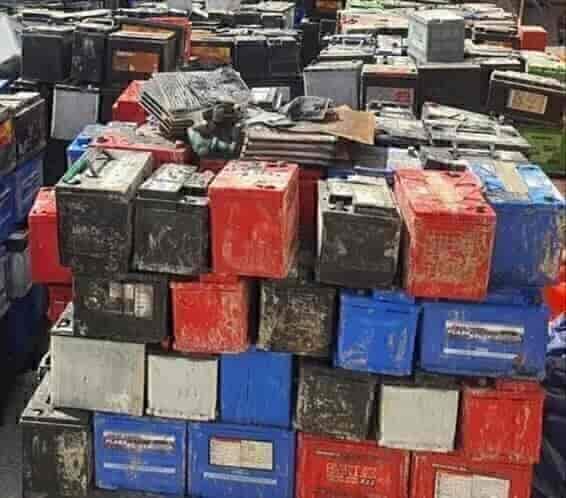
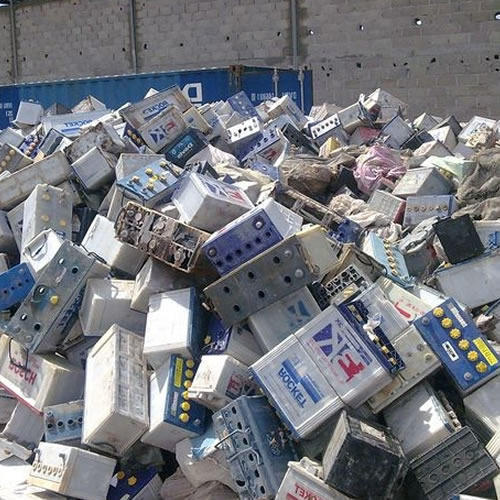
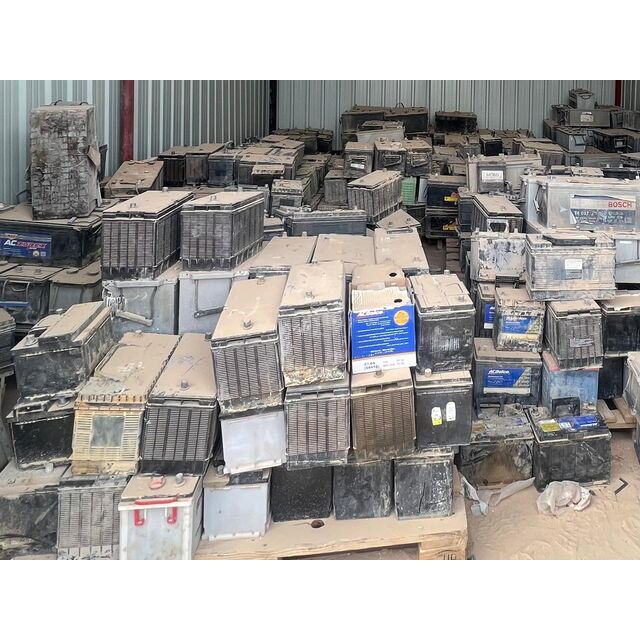
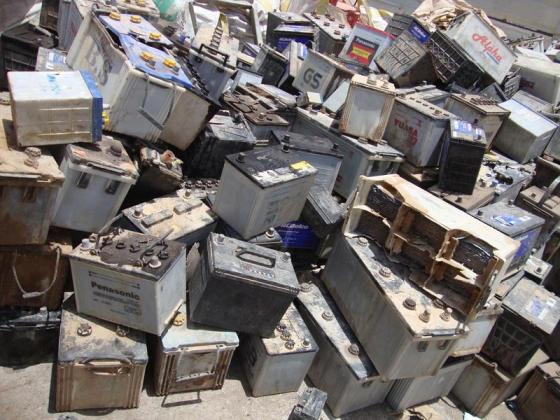
This offering comprises high‑purity, professionally sorted Battery Scrap from two dominant chemistries: Lead‑acid (e.g., automotive/industrial starting, lighting, ignition and traction batteries) and Lithium‑ion (e.g., NMC, LCO, LFP from EV, consumer electronics, and energy storage systems). Primary industrial use is as a secondary raw material for smelters, refiners, and black mass producers to recover lead, copper, aluminum, cobalt, lithium, and nickel. The key value proposition is a certified, consistent, and traceable feedstock that reduces pre‑processing costs and yield variability for recyclers. Strategically, with tightening primary mineral supplies and increasing ESG mandates, this scrap enables circular supply chains and hedges against virgin commodity price volatility.
2. Key Specifications & Technical Characteristics
-
Chemical composition / material components
-
Lead‑acid scrap: Pb (60‑80% recoverable lead), polypropylene (case), H₂SO₄ electrolyte (neutralized or drained)
-
Lithium‑ion scrap (mixed/presorted): Li (3‑5% Li₂O equivalent), Co (5‑20% depending on NMC/LCO), Ni (5‑15%), Mn, Cu (~10‑15% from foil), Al (~10‑20% from case/cathode foil)
-
-
Purity / grade
-
Lead‑acid: Whole batteries – ≤3% foreign materials (non‑battery plastics, steel, soil)
-
Lithium‑ion: Black mass ready or whole cells – ≤2% metallic iron, ≤2% organics/electrolyte residue; moisture ≤5% upon shipment
-
-
Physical characteristics
-
Lead‑acid: Whole or industrially crushed (20‑80 mm), grey metallic/black with polymer fragments; bulk density ~1.2‑1.5 t/m³
-
Lithium‑ion: Whole cylindrical/pouch/prismatic cells (sorted by family) or shredded fraction (10‑50 mm); dark grey/black; bulk density ~0.6‑0.8 t/m³ (whole), ~0.9‑1.1 t/m³ (shredded)
-
-
Packaging options
-
Lead‑acid: 1.5–2.0 MT sealed polywoven bags on pallets or 20 MT loose in open/closed containers with UN-approved acid‑neutralizing lining
-
Lithium‑ion: UN3480 Class 9 lithium batteries – steel drums (200L, 250‑300 kg net) or rigid FIBCs (1.0‑1.2 MT) with short‑circuit protection and fire‑resistant liners
-
-
Shelf life / storage
-
Lead‑acid: Dry storage recommended; if intact, process within 12 months to avoid case deterioration
-
Lithium‑ion: ≤9 months from ship date when stored at <25°C, <50% RH, away from conductive/damp surfaces; monitor for swelling
-
3. Core Industrial Applications
-
Primary industries:
-
Secondary lead smelters (refined lead, lead alloys)
-
Lithium‑ion black mass processors / hydrometallurgical refineries
-
Copper and aluminum recyclers (from Li‑ion cell tabs and case)
-
-
Specific use cases:
-
Lead‑acid: Direct feed to rotary or reverberatory furnaces → produces soft lead for new batteries, radiation shielding, and counterweights
-
Lithium‑ion (whole cells): Mechanical shredding under inert atmosphere → separation of black mass (Li, Co, Ni, Mn), Cu foil, Al case → catholyte recovery and hydrometallurgical refining into battery‑grade Li₂CO₃, CoSO₄, NiSO₄
-
-
Why this product performs better than alternatives:
-
Controlled chemistry: Our scrap is sorted by series (e.g., NMC vs. LCO vs. LFP, or truck vs. car lead batteries), reducing alloy contamination in smelters and acid consumption in Li leaching by 15‑20% vs. unsorted scrap
-
Lower pre‑processing cost: Pre‑drained electrolyte in lead‑acid and partially discharged Li‑ion cells lower explosion risk and neutralization cost
-
Higher yield consistency: Third‑party verified metal content per lot allows buyers to adjust process parameters and blend ratios before arrival, increasing first‑pass recovery by 8‑12%
-
4. Competitive Advantages
-
Quality consistency: ISO 9001:2025 certified sorting, sampling, and analysis (XRF, ICP‑OES) per lot; certificate of analysis (CoA) accompanies every shipment
-
Supply reliability: 3,000+ MT per month combined volume (2,000 MT lead‑acid, 1,000 MT Li‑ion) from EPA/BMUV‑compliant dismantlers and OEM returns; supply agreements with 5+ national collection networks
-
Logistics capability: In‑house DGSA (dangerous goods safety advisor) for UN3480/UN2794; door‑to‑door DDP / FCA global – Rotterdam, Houston, Busan, Shanghai, Jebel Ali within 15‑25 days
-
Price competitiveness: Indexed to LME lead and LME/Li₂CO₃ (Fastmarkets) minus transparent treatment charge – no opaque deductions
-
Sustainability: 98% recyclable content; each ton of Li‑on scrap saves 30 tons CO₂ vs. primary mining (TÜV‑verified); we supply full Chain of Custody and carbon footprint document for your ESG reporting
-
Technical support: Free process optimization consultation, blending recommendations, and quarterly sampling training for your receiving lab
5. Commercial & Supply Information
-
Minimum order quantity (MOQ): BULK 20 MT (any mix of lead‑acid and/or lithium‑ion scrap; can be split across two container types)
-
Loading capacity: 20 MT per 20‑foot standard container (lead‑acid, baled/crushed) – 14‑15 MT per 20‑foot container (lithium‑ion, whole cells in drums due to volume and safety spacing)
Reviews
There are no reviews yet.