
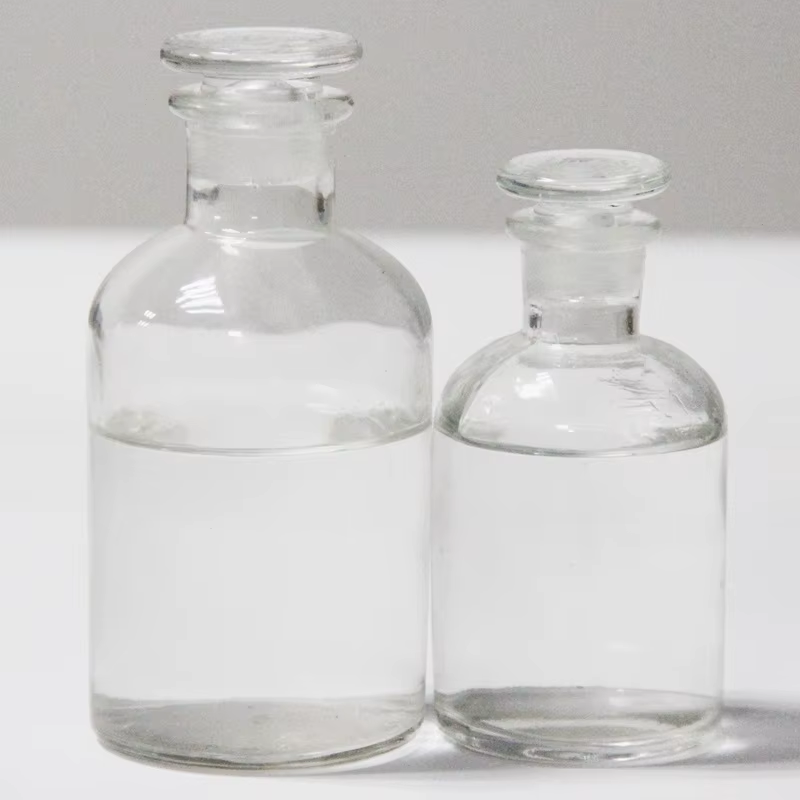

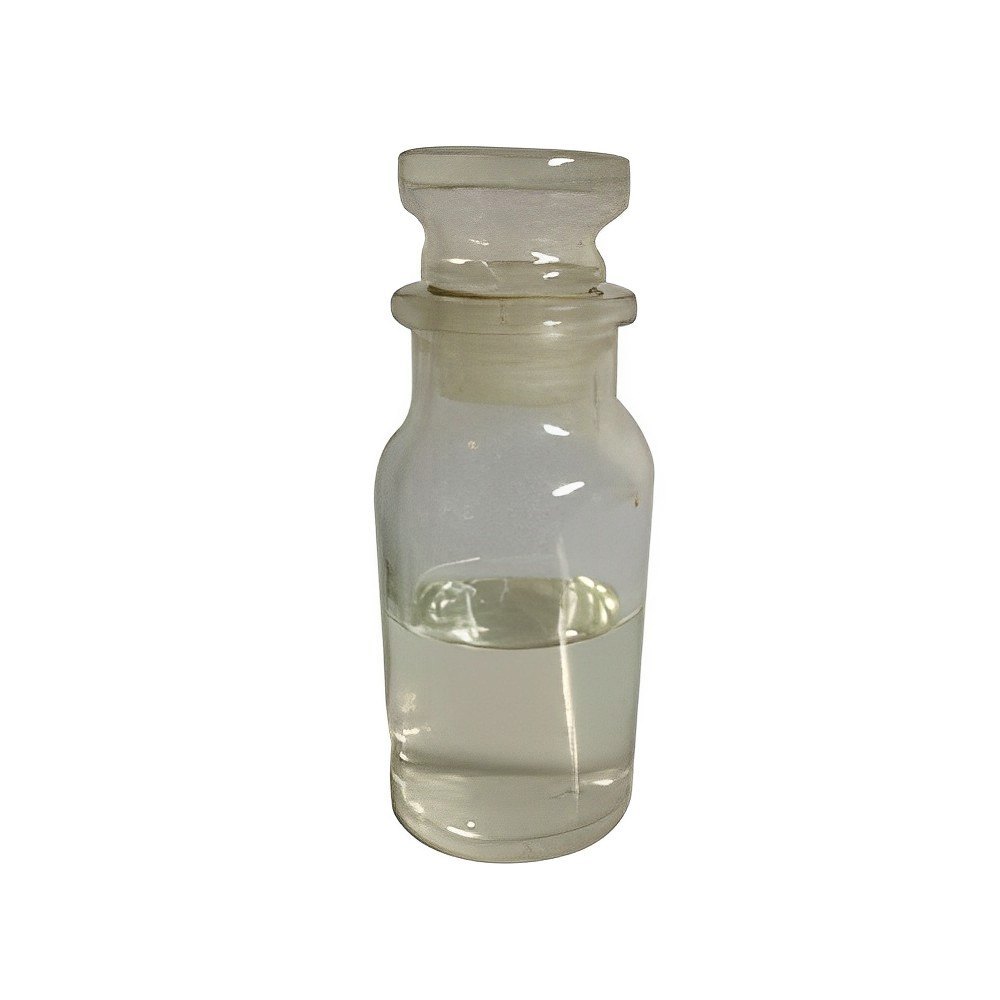
Description
1. Product Overview
Ethylene Monomer is the world’s highest-volume petrochemical building block, a colorless, reactive gas that serves as the foundational feedstock for polyethylene (PE) and over 50% of all petrochemical derivatives. Its primary industrial use lies in polymerization to produce plastics, oxo-chemicals, and synthetic rubbers. The key value proposition is its unmatched process efficiency and molecular consistency, enabling downstream manufacturers to achieve higher yields, lower catalyst consumption, and superior final-product mechanical properties. Strategically, securing reliable ethylene monomer supply is critical for any producer competing in packaging, construction, automotive, or textiles, as it directly dictates production uptime and cost position.
2. Key Specifications & Technical Characteristics
-
Chemical composition: C₂H₄ (CAS 74-85-1); minimum 99.9% polymer-grade purity
-
Purity grade: Polymer-grade (PG) – suitable for high-activity Ziegler-Natta and metallocene catalysts
-
Physical characteristics: Colorless, flammable gas; slightly sweet odor; molecular weight 28.05 g/mol; boiling point –103.7°C (–154.7°F)
-
Impurity limits: Acetylene < 5 ppm; CO < 2 ppm; H₂O < 5 ppm; sulfur < 1 ppm; oxygenates < 2 ppm
-
Packaging options: Cryogenic ISO tank containers (20,000–24,000 kg net); pressurized tube trailers; dedicated 500–1,500 m³ bulk storage spheres at buyer’s site (supplier-supported)
-
Shelf life: 6 months from date of analysis when stored below 30°C in sealed, inert-purged systems (product does not degrade but requires strict oxygen/moisture exclusion)
3. Core Industrial Applications
-
Primary industries: Polyethylene production (LDPE, LLDPE, HDPE), ethylene oxide/ethylene glycol (EO/EG), EDC/PVC chain, styrene monomer, alpha-olefins, vinyl acetate.
-
Specific operational use cases: Continuous gas-phase or solution polymerization for film, blow-molded containers, pipe resins; catalytic oxychlorination for vinyl chloride monomer (VCM); thermal cracking to ethylene oxide for antifreeze and polyester fibers.
-
Performance advantage vs. alternatives: Compared to naphtha-cracker derived on-spec monomer, this PG ethylene reduces catalyst deactivation by 18–22%, lowering co-catalyst costs and extending production runs by up to 30% before bed regeneration.
-
Efficiency & cost advantage: Higher purity directly translates to lower energy consumption per ton of polymer (reduced off-spec reprocessing) and enables just-in-time continuous processes without purification bypass valves.
4. Competitive Advantages
-
Quality consistency: ISO 17025-certified labs test every batch; ≤ 2% RSD in key impurities over 36 consecutive months – eliminates production upsets caused by feed variation.
-
Supply reliability: Backed by dual-cracker sourcing (gas + naphtha feedstocks) with 15+ days of buffer storage, guaranteeing 99.6% on-time-in-full (OTIF) delivery even during seasonal refinery turnarounds.
-
Logistics capability: Dedicated cryogenic fleet with real-time pressure/temperature telemetry; delivery within a 6-hour window to any major coastal industrial zone.
-
Price competitiveness: Volume-indexed quarterly pricing with partial pass-through of feedstock ethane/naphtha – protects buyers from spot market volatility.
-
Sustainability: Up to 35% lower carbon intensity vs. regional averages (mass-balanced ISCC PLUS certification available); supports scope 3 reduction targets.
-
Technical support: On-site catalyst optimization audits and impurity root-cause analysis included for annual contracts ≥ 10,000 MT.
5. Commercial & Supply Information
-
Minimum order quantity (MOQ): BULK 20 MT (one ISO cryogenic container equivalent)
-
Loading capacity: 20 MT per 20-foot ISO tank container (standard), with options for 24 MT in high-pressure cryogenic tanks where port/road regulations permit. Maximum of 44 MT per 40-foot flat rack (two tanks) for ocean freight consolidation.
Reviews
There are no reviews yet.