
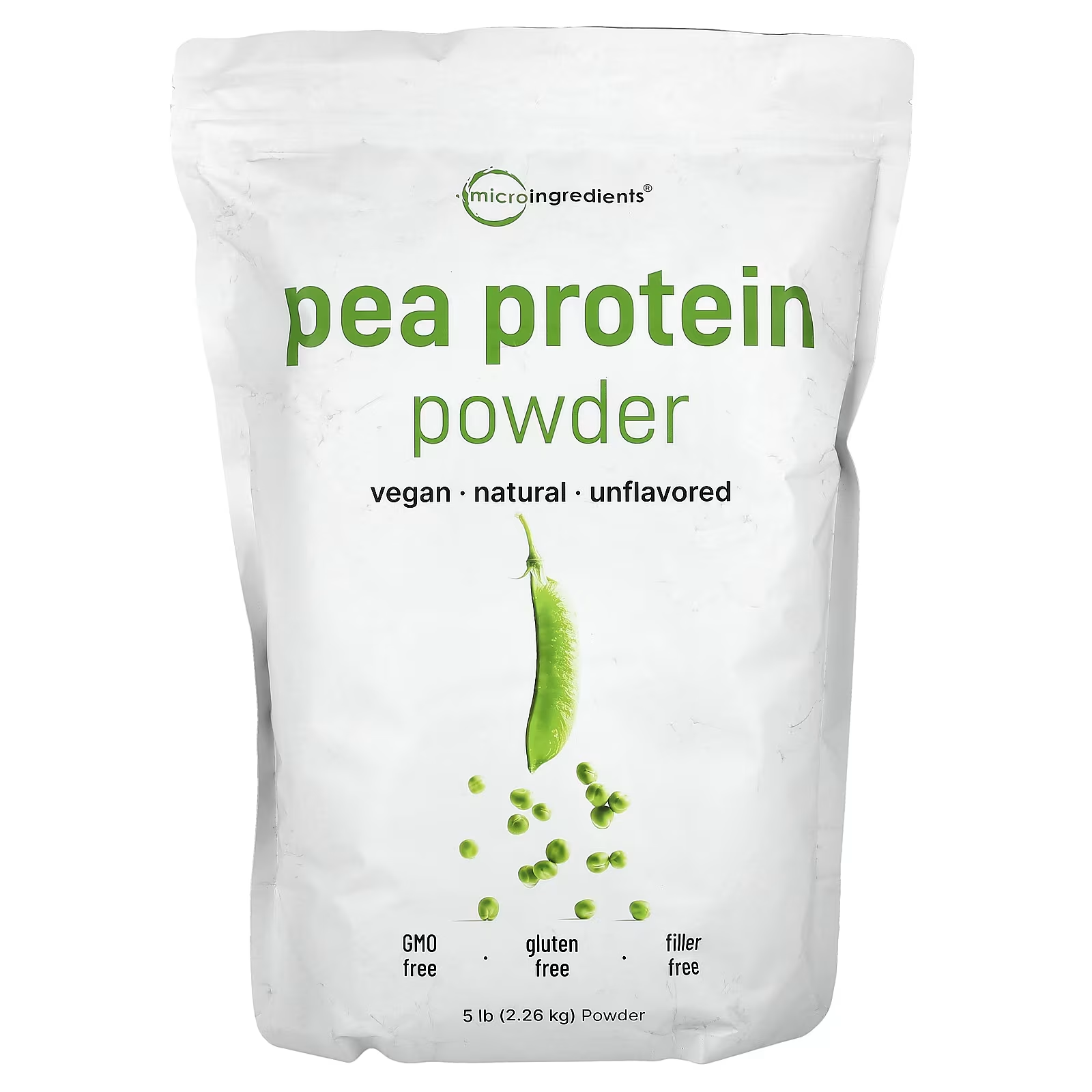
Description
1. Product Overview
Field Pea Protein Meal is a concentrated plant-based protein ingredient derived from premium yellow field peas via dry fractionation or controlled wet processing. It serves primarily as a functional protein source in meat analogs, dairy alternatives, sports nutrition, and aquaculture feeds. The key value proposition is its high digestibility, neutral flavor, and non-GMO, allergen-free status, enabling formulators to meet clean-label demand. Strategically, it mitigates supply chain risks tied to soy or wheat proteins, aligning with global shifts toward sustainable, regionally sourced plant proteins.
2. Key Specifications & Technical Characteristics
-
Protein content (N×6.25): ≥80% dry basis
-
Moisture: ≤10%
-
Fat: ≤3%
-
Fiber: ≤4%
-
Ash: ≤5%
-
Physical form: Fine, free-flowing powder
-
Color: Light cream to off-white
-
Particle size: 95% through 100 mesh (150 µm)
-
pH (10% slurry): 6.5–7.2
-
Packaging options: 25 kg multi-wall paper bags, 500–1000 kg FIBC super sacks, bulk pneumatic tanker
-
Shelf life: 24 months from production (stored in cool, dry, odor-free conditions)
3. Core Industrial Applications
-
Plant-based meat & dairy: Binds water and emulsifies fats better than rice or sunflower proteins, improving texture and reducing purge loss during cooking.
-
Sports nutrition powders: Provides complete amino acid profile (high lysine) with no beany aftertaste, enabling higher loading without sensory rejection.
-
Pet food & aquafeed: Enhances extrusion expansion and pellet durability while replacing fishmeal or soy without anti-nutritional factors.
-
Bakery & snacks: Increases protein content without compromising crumb structure or shelf life, outperforming soy in non-GMO formulations.
4. Competitive Advantages
-
Consistency: Batch-to-batch protein variability <±1% via NIR-controlled milling and blending.
-
Supply reliability: Dual-facility production (North America & Europe) with 15,000 MT/month capacity and 72-hour dispatch on stock SKUs.
-
Logistics: Containerized or break-bulk shipping with real-time IoT tracking for temperature/humidity.
-
Price competitiveness: 8–12% lower landed cost than equivalent organic soy isolate in key Asian and EU markets.
-
Sustainability: Carbon footprint 60% lower than commodity whey; fully traceable from non-irrigated pea farms with regenerative agriculture protocols.
-
Technical support: Full spec sheets, Salmonella/Enterobacteriaceae certificates, and formulation lab access for paid trial batches.
5. Commercial & Supply Information
-
Minimum Order Quantity (MOQ): 20 metric tons (MT) per product grade
-
Loading capacity: 20 MT per 20-ft dry container (25 kg bags palletized) or 24 MT per 20-ft FIBC container
Reviews
There are no reviews yet.