
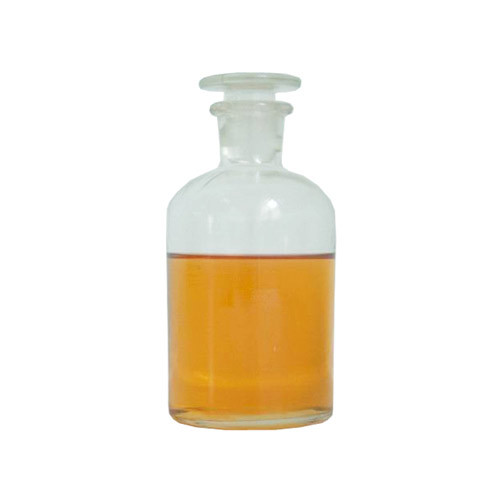
Description
1. Product Overview
Naphthenic Base Oil 100N is a low-viscosity, high-solvency base oil derived from naphthenic crude stocks, offering exceptional thermal and oxidative stability. It is primarily used in transformer oils, metalworking fluids, rubber process oils, and industrial lubricants where low-temperature performance and additive solubility are critical. The key value proposition lies in its ability to deliver superior solvency and pour point characteristics compared to paraffinic alternatives, reducing sludge formation and improving system cleanliness. Strategically, it fills the gap between light process oils and higher-viscosity naphthenic grades, making it indispensable for applications requiring both low volatility and high response to additive packages.
2. Key Specifications & Technical Characteristics
-
Chemical composition: Naphthenic hydrocarbons (low wax content, typically <0.5% paraffin)
-
Purity level: High-refined technical grade; typically >99% base oil, low sulfur (<0.1%)
-
Physical characteristics:
-
Form: Clear, bright liquid
-
Color: <1.5 ASTM
-
Viscosity (40°C): 19–22 cSt
-
Viscosity index: 35–45
-
Pour point: –40°C to –35°C
-
Density (15°C): 0.89–0.91 g/cm³
-
-
Packaging options: Bulk (ISO tanks, flexitanks), 200L drums (new/reconditioned), IBC totes
-
Shelf life: 24 months under dry, covered storage, 5–40°C, away from oxidants
3. Core Industrial Applications
-
Primary industries: Power generation (transformers), metal fabrication, rubber and tire manufacturing, industrial lubricant blending
-
Specific use cases:
-
Transformer oils: acts as electrical insulating fluid with high dielectric strength and low pour point for cold climates
-
Metalworking fluids: provides excellent wetting, cooling, and corrosion protection without gumming
-
Rubber compounding: improves filler dispersion and plasticity in EPDM and SBR processing
-
-
Performance advantages vs. alternatives: Lower pour point than paraffinic 100N; superior additive solubility reduces separation risk; less sludge formation extends fluid change intervals by 15–20% in circulation systems. Cost-effective vs. synthetic alternatives where extreme thermal stability is not required.
4. Competitive Advantages
-
Quality consistency: ISO 9001-certified refining; every batch tested for viscosity, color, pour point, and flash point
-
Supply reliability: Dedicated supply chain from multiple naphthenic crude sources (Americas, Asia, Middle East) with buffer stock
-
Logistics capability: Global port-to-port delivery; 20,000 MT monthly throughput capacity; real-time tracking
-
Price competitiveness: Direct from refiner / strategic trader pricing, typically 5–8% below regional index
-
Sustainability: Lower carbon footprint than paraffinic hydroprocessing; recyclable in industrial loops; compliant with EU REACH and US TSCA
-
Technical support: Full SDS, COA, and blend compatibility documentation provided; on-call lubrication engineer consultation
5. Commercial & Supply Information
-
Minimum order quantity (MOQ): 20 metric tons (MT)
-
Bulk loading capacity: 20–22 MT per 20-foot container (flexitank) or 24–26 MT per ISO tank
-
Delivery terms: FOB, CFR, CIF major industrial ports (Houston, Rotterdam, Shanghai, Jebel Ali)


Reviews
There are no reviews yet.