
Description
1. Product Overview
Light Petrochemical Grade Naphtha is a narrow-cut, low-boiling hydrocarbon fraction derived from crude oil refining. It serves as the primary feedstock for steam crackers producing ethylene, propylene, and other light olefins. Its key value proposition is high paraffinic content and low impurity profile, which maximize cracking efficiency and reduce downstream purification costs. Strategically, it is indispensable for petrochemical hubs seeking to optimize yield per ton while meeting stricter environmental and product purity regulations.
2. Key Specifications & Technical Characteristics
-
Chemical composition: C5–C6 hydrocarbons, predominantly paraffins (min. 65% by volume), low naphthenes and aromatics (benzene < 0.1% vol)
-
Purity / Grade: Light Petrochemical Grade (ASTM D1836-compliant)
-
Physical characteristics:
-
Form: Clear, volatile liquid
-
Color: Water-white (Saybolt +25 min)
-
Density: 0.665–0.695 g/cm³ @ 15°C
-
Boiling range: 30–90°C (initial to final boiling point)
-
Sulfur content: Max 10 ppm
-
-
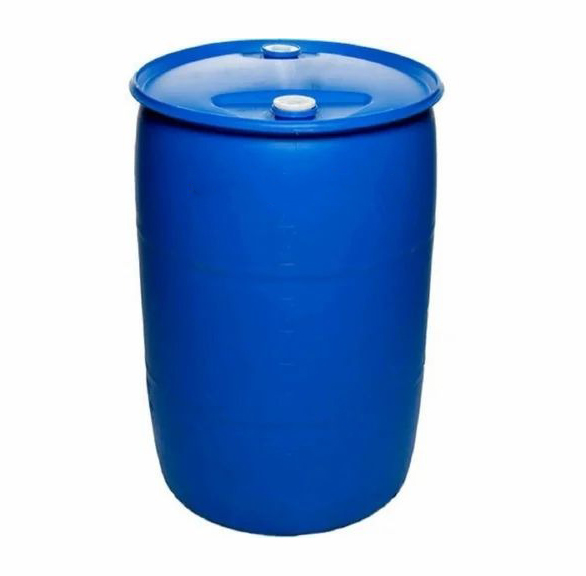
Packaging options:
-
Bulk ISO tanks (24,000L)
-
Rail tank cars
-
Coastal/vessel flexitanks (20,000–25,000L per flexi)
-
-
Shelf life: 6 months (under nitrogen-blanketed storage in sealed tanks; avoid water ingress and temperature >35°C)
3. Core Industrial Applications
-
Primary industries: Petrochemicals (olefins production), specialty solvents, paints & coatings, industrial adhesives
-
Operational use cases:
-
Steam cracking for ethylene/propylene (yield improvement of 8–12% vs. heavy naphtha)
-
Solvent in rubber polymerization processes
-
Foam blowing agent auxiliary in polyolefin manufacturing
-
-
Performance advantage: Higher paraffin-to-naphthene ratio reduces coking in furnace tubes, extending run lengths by 15–20% between decokings.
-
Cost advantage: Lower hydrogen consumption during downstream hydrotreating, reducing OPEX by ~$6–10/MT compared to medium or heavy naphtha grades.
4. Competitive Advantages
-
Quality consistency: Every batch undergoes GC-MS analysis; statistical process control with <2% RSD across key parameters
-
Supply reliability: 50,000 MT monthly committed capacity with multiple refinery integrations (shortfall risk < 1.5%)
-
Logistics capability: 24/7 dispatch from 7 regional hubs (Rotterdam, Houston, Singapore, Jebel Ali, Shanghai, Antwerp, Algeciras)
-
Price competitiveness: Contract formulas based on OPIS + fixed premium; spot bids typically 3–7% below regional benchmarks for comparable sulfur specs
-
Sustainability: Low-sulfur composition reduces SOx emissions during processing; supplier chain covers ISCC+ mass-balance options upon request
-
Technical support: Full COA suite, MSDS, and process simulation data (Aspen Plus ready) provided; dedicated petrochemical feedstock advisor per account
5. Commercial & Supply Information
-
Minimum Order Quantity (MOQ): BULK 20MT (one flexitank or ISO container)
-
Loading capacity:
-
20FT ISO tank: 20 MT net
-
40FT ISO tank: Not standard for liquids without baffles – use 20FT only
-
Vessel bulk: Up to 25,000 MT per shipment (minimum parcel 5,000 MT)
-

Reviews
There are no reviews yet.