
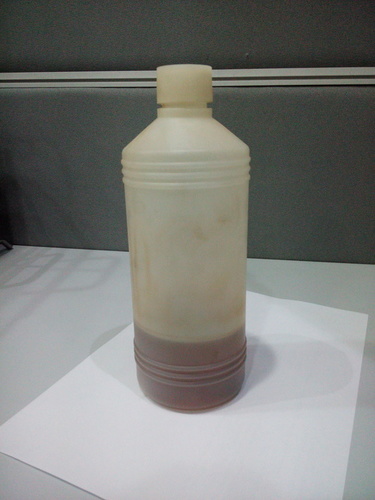
Description
1. Product Overview
Pyrolysis Fuel Oil (PFO) is a high-calorific liquid fuel recovered from the thermal decomposition of end-of-life tires and plastic waste. It is primarily used as a direct substitute for conventional heavy fuel oil (HFO) or light diesel in industrial burners, steel reheating furnaces, and cement kilns. The key value proposition is delivering comparable thermal output (9,500–10,500 kcal/kg) at a 20–35% lower cost than virgin fuel oil. Strategically, PFO enables energy-intensive industries to reduce reliance on fossil fuels while monetizing waste streams—critical as carbon constraints tighten globally.
2. Key Specifications & Technical Characteristics
-
Chemical composition: Complex hydrocarbon mix (C8–C30), including alkanes, cycloalkanes, aromatics, ≤1% sulfur, ≤0.5% ash content
-
Purity / grade: Industrial grade for burner use; low sediment (<0.1%) and low water content (<2%)
-
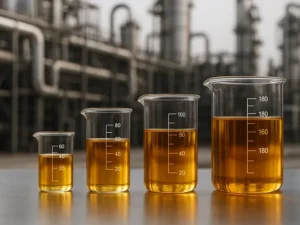
Physical characteristics: Dark brown to black viscous liquid; density 0.92–0.98 g/cm³ at 15°C; viscosity ≤30 cSt at 50°C; flash point >60°C; calorific value 9,500–10,500 kcal/kg
-
Packaging options: Flexitanks (20MT), ISO tanks, bulk tanker trucks, or 200L steel drums (upon request)
-
Shelf life: 12 months in sealed, dry, room-temperature storage (avoid direct sunlight and water ingress)
3. Core Industrial Applications
-
Cement & lime kilns: Direct injection as primary burner fuel; outperforms coal and petcoke with cleaner flame control and lower ash residue
-
Steel & foundry reheating furnaces: Maintains consistent furnace temperature while reducing fuel spend per ton of output vs. diesel or natural gas
-
Industrial boiler plants (power & steam generation): Replaces #6 fuel oil with minimal burner modification; delivers comparable thermal efficiency (88–92%) at lower sulfur emissions
-
Marine & heavy stationary engines (after treatment/filtration): Low-cost bunker alternative for auxiliary power generation in non-IMO-regulated industrial ports
Why better: Lower sulfur than raw heavy fuel oil, higher viscosity stability than waste lubricant blends, and no costly emulsification required.
4. Competitive Advantages
-
Quality consistency: Produced under controlled thermal reactor conditions with real-time viscosity and flash point monitoring; each batch includes a Certificate of Analysis
-
Supply reliability: Dedicated multi-feedstock sourcing (tires + plastic films) prevents seasonal or policy-driven shortages; 24/7 dispatch capability
-
Logistics capability: Global shipping network from Asia and Middle East hubs; fully insured with customs clearance support for 45+ countries
-
Price competitiveness: Indexed to Brent crude minus a fixed discount (typically 25–35%), locked quarterly for contract buyers
-
Sustainability & compliance: Carbon-reduced label applicable (waste-derived) + EU REACH and ISO 8217 (comparable) data packages available upon NDA
-
Technical support: Engineering team provides combustion compatibility audits and burner nozzle adjustment recommendations pre-delivery
5. Commercial & Supply Information
-
Minimum order quantity (MOQ): 20 MT (bulk)
-
Loading capacity: 20–24 MT per 20-ft flexitank container (ISO tank: 24 MT max)

Reviews
There are no reviews yet.