

Description
1. Product Overview
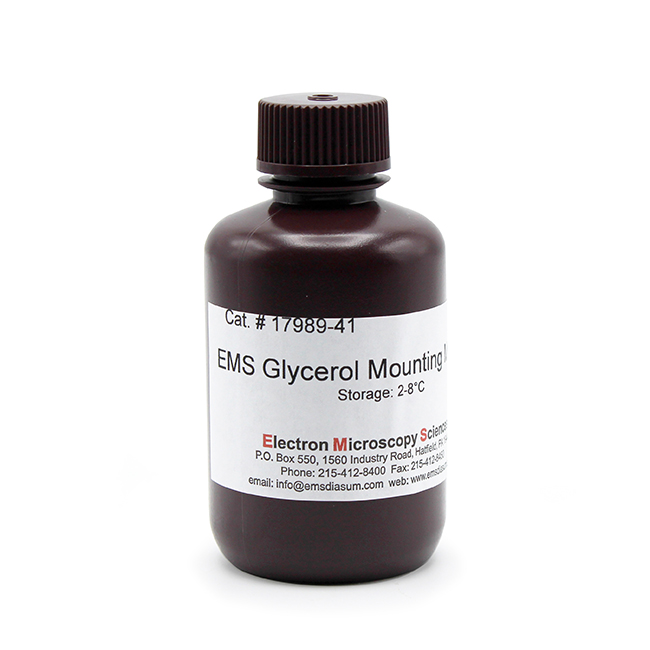
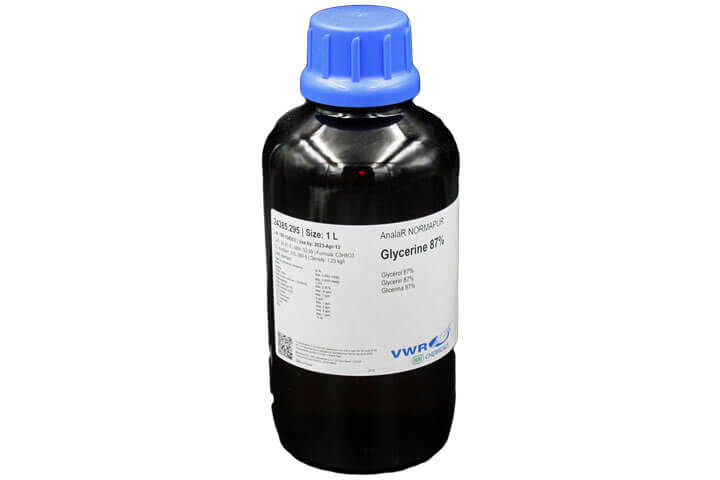
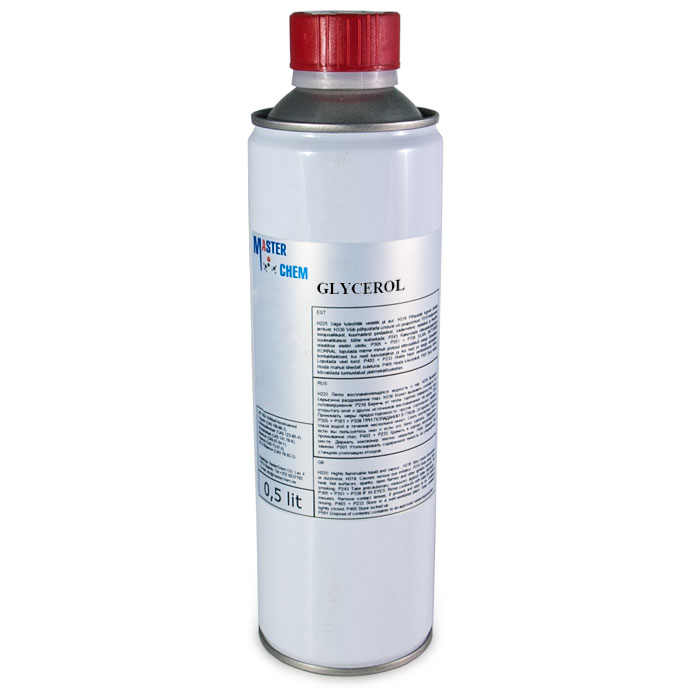
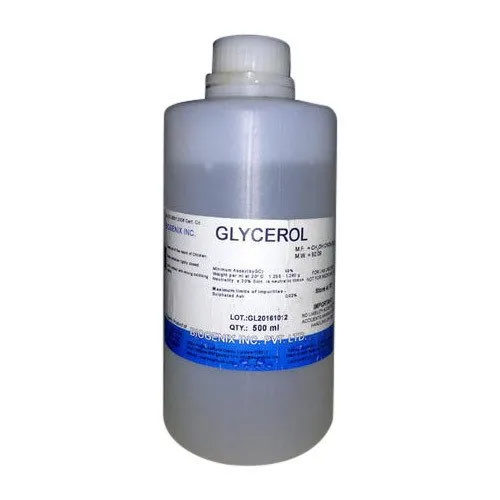
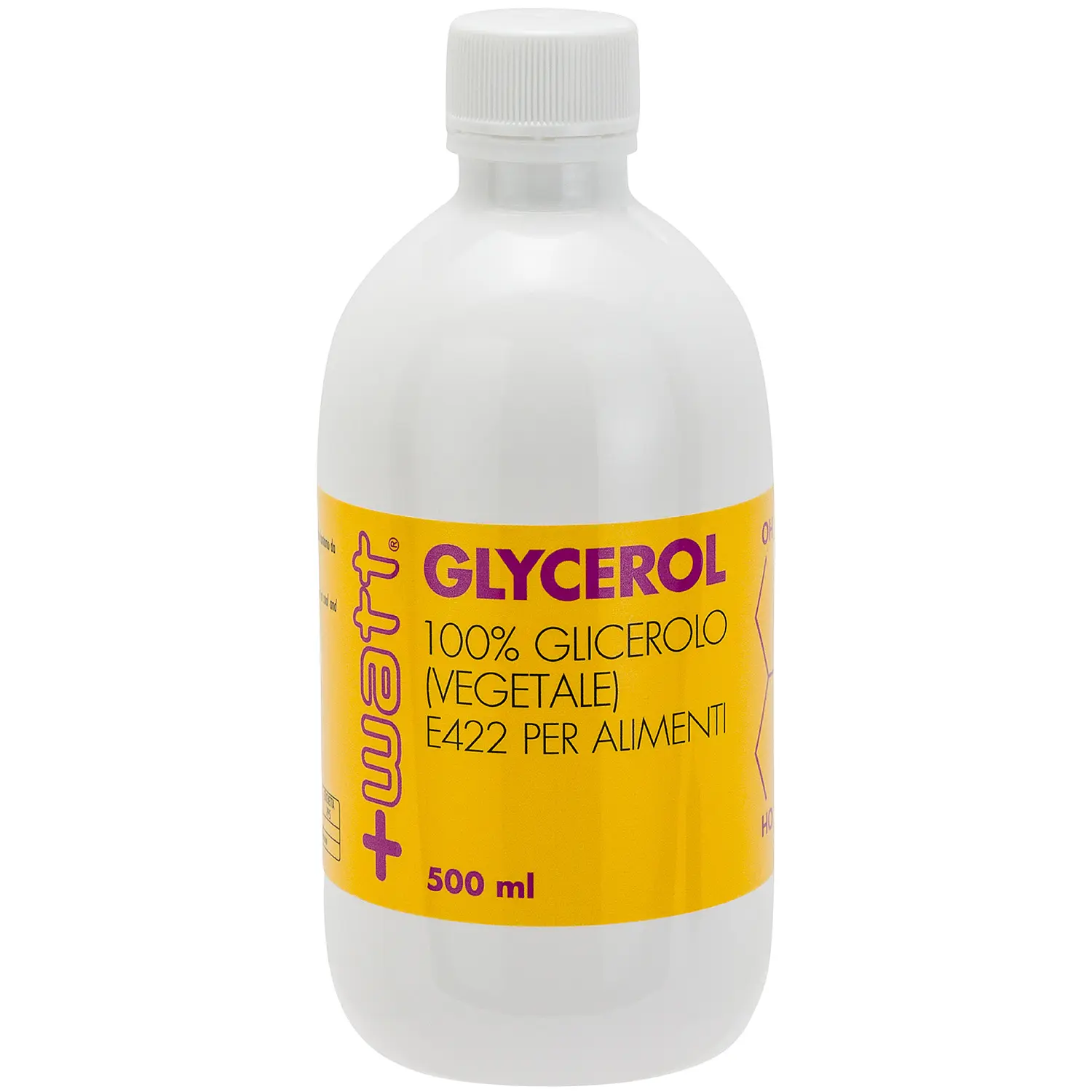
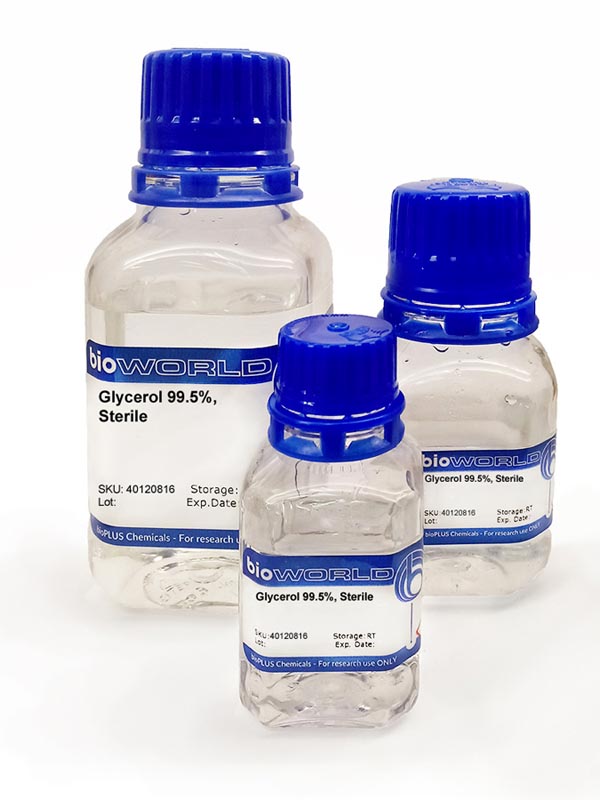
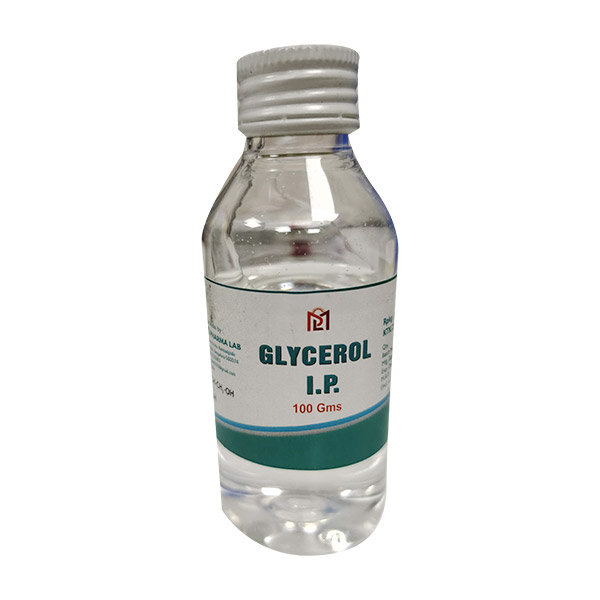
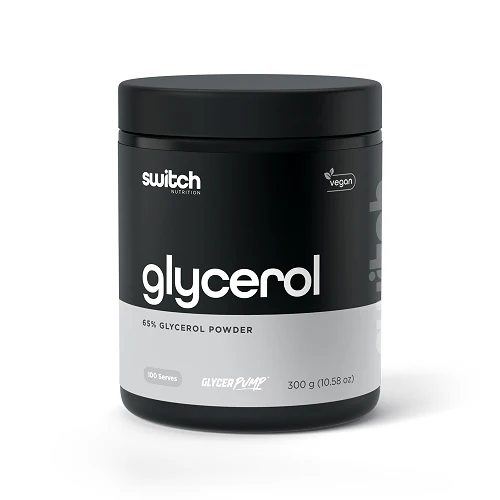
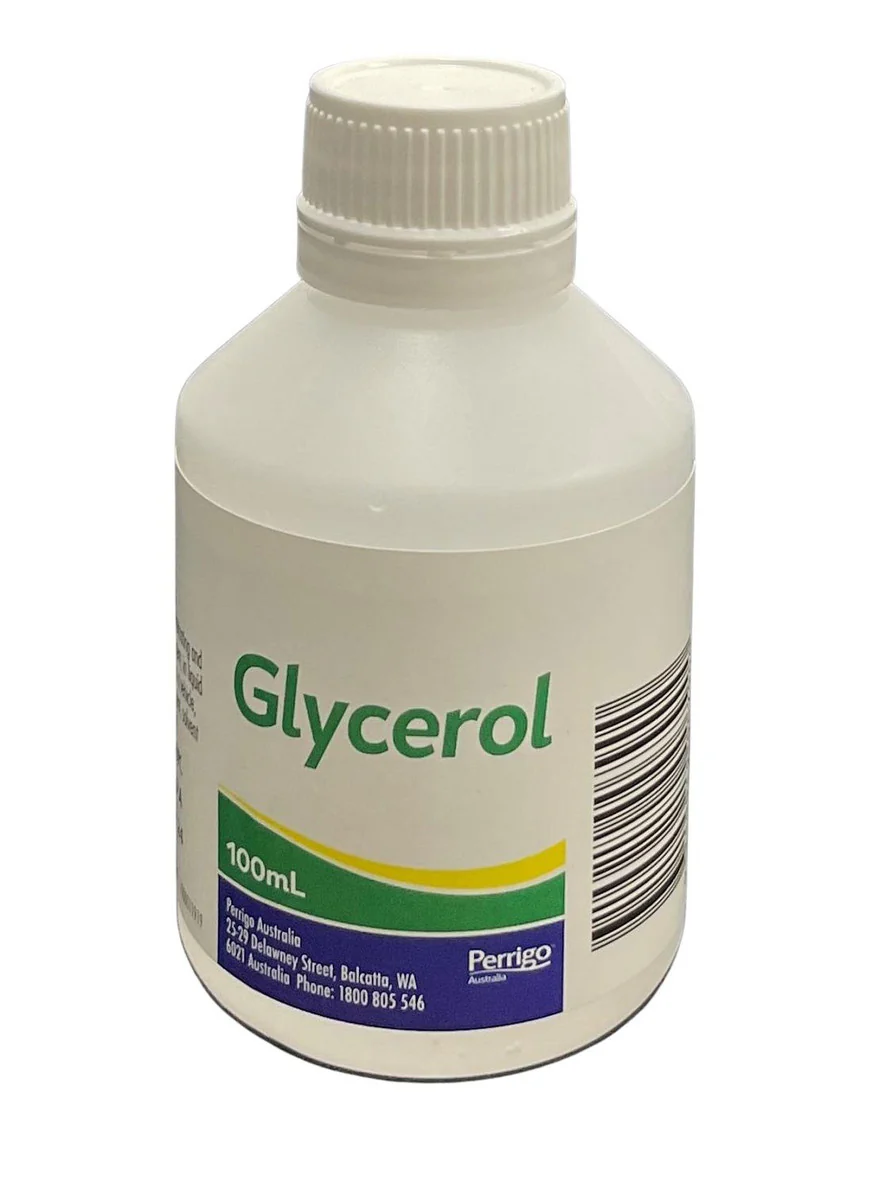
Glycerol is a versatile, high-purity triol compound widely utilized across chemical, pharmaceutical, cosmetic, and food industries. Its primary industrial use includes serving as a humectant, solvent, sweetener, and chemical intermediate for various derivative products such as propylene glycol and nitroglycerin. The key value proposition of glycerol lies in its multifunctionality, biodegradability, and compatibility with diverse industrial processes, making it a highly adaptable raw material. Strategically, glycerol is critical in global supply chains, supporting sustainable production practices and offering a reliable alternative in applications demanding non-toxic, renewable, and high-performance ingredients. Its role as both a direct product and a feedstock for further chemical synthesis underscores its industrial significance.
2. Key Specifications & Technical Characteristics
- Chemical Composition / Material Components:
- Pure glycerol (C₃H₈O₃)
- Minimal water content depending on grade
- Purity Level / Grade:
- Industrial Grade: ≥99% glycerol
- USP/Pharma Grade available upon request
- Physical Characteristics:
- Form: Viscous liquid
- Color: Clear, colorless
- Density: ~1.26 g/cm³ at 20°C
- Odor: Slightly sweet, characteristic
- Packaging Options:
- Bulk ISO tank containers
- IBC containers (1,000L)
- Drums (200L)
- Shelf Life:
- Stable under ambient storage conditions
- Typical shelf life: 24 months when sealed and protected from contamination
3. Core Industrial Applications
Primary Industries:
- Pharmaceutical and healthcare manufacturing
- Food and beverage processing
- Personal care and cosmetics
- Chemical manufacturing and intermediates
- Biofuel and oleochemical production
Operational Use Cases:
- Humectant, sweetener, and solvent in food and pharma formulations
- Intermediate for chemical derivatives such as esters, ethers, and nitrates
- Moisturizer and stabilizer in cosmetic products
- Additive in biofuel, polymer, and antifreeze formulations
Performance & Cost Advantages:
Glycerol offers superior solubility, hygroscopicity, and chemical stability compared to alternative humectants or solvents. Its renewable origin and multifunctionality enable cost-efficient incorporation across multiple industrial applications while reducing dependency on synthetic chemicals.
4. Competitive Advantages
- Quality Consistency: Batch-tested to ensure purity and performance
- Supply Reliability: Continuous availability through robust production and distribution networks
- Logistics Capability: Bulk and packaged delivery compliant with chemical transport regulations
- Price Competitiveness: Economical feedstock relative to specialty chemicals
- Sustainability Benefits: Renewable and biodegradable, supporting green chemistry initiatives
- Technical Documentation: Certificates of Analysis (COA), Safety Data Sheets (SDS), and regulatory compliance documents provided
Positioned as a strategic sourcing decision, glycerol enables industrial buyers to optimize operational efficiency, support sustainability goals, and maintain high-quality standards in multiple industrial value chains.
5. Commercial & Supply Information
- Minimum Order Quantity (MOQ): BULK 20MT
- Loading Capacity (MT per container): Approximately 20–24 MT per 20’ ISO tank container (depending on density and packaging type)


Reviews
There are no reviews yet.