
Description
1. Product Overview
High-impact Polystyrene (HIPS resin) is a cost-effective, rubber-modified thermoplastic known for exceptional impact resistance combined with excellent processability. It is primarily used in injection molding and extrusion applications across the consumer electronics, refrigeration, and point-of-sale display industries. The key value proposition lies in its unique balance of rigidity, dimensional stability, and ease of secondary operations (printing, bonding, painting). Strategically, HIPS remains a critical material for manufacturers seeking to replace engineering plastics where high-impact performance is required at a lower system cost, offering supply chain resilience against volatile ABS and PC markets.
2. Key Specifications & Technical Characteristics
-
Chemical composition: Styrene-butadiene copolymer; rubber (polybutadiene) content typically 5–11% by weight
-
Purity/Grade: Virgin HIPS, general-purpose (GP) impact grade; also available in flame-retardant (V-0, V-2) and extrusion grades
-
Physical characteristics:
-
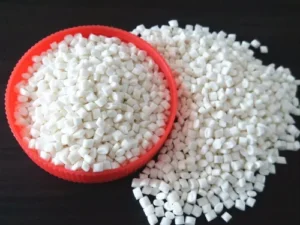
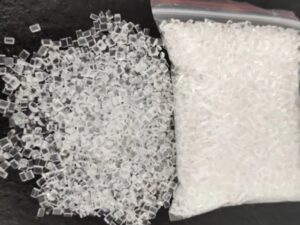
Form: Translucent to white cylindrical pellets
-
Melt Flow Index (MFI): 3–15 g/10 min (200°C/5kg, customer-selectable)
-
Izod impact strength (notched): 70–150 J/m
-
Tensile strength at yield: 15–30 MPa
-
Density: 1.04 – 1.06 g/cm³
-
Vicat softening point: 90–100°C
-
-
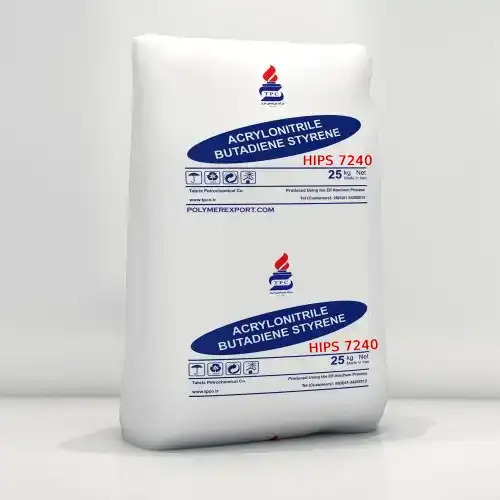
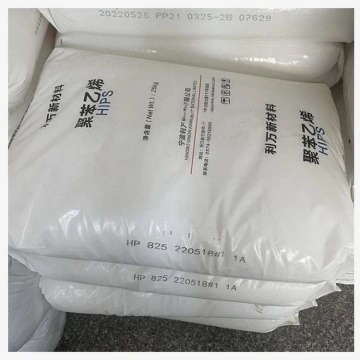
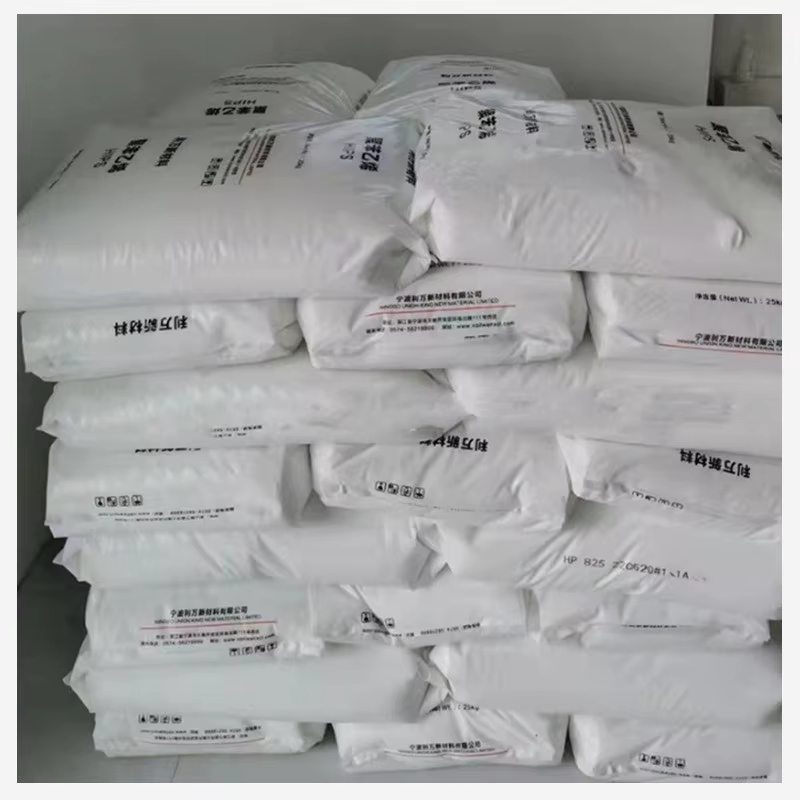
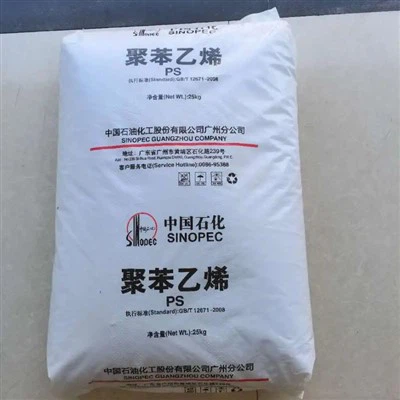
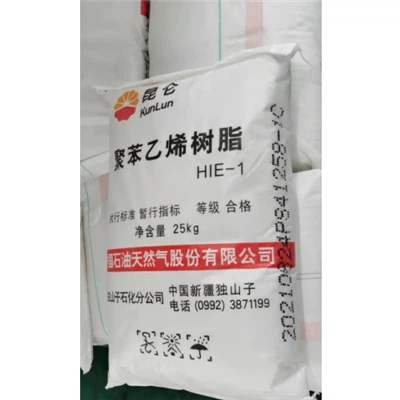
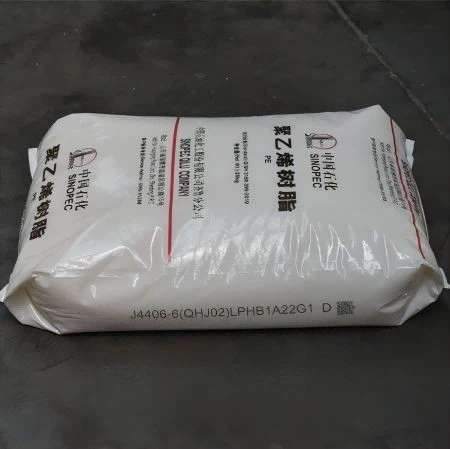
Packaging options: 25 kg multi-wall paper bags with PE liner; 1,250 kg supersacks; bulk truck or hopper trailer
-
Shelf life: 24 months when stored indoors in original, unopened packaging, away from UV and moisture
3. Core Industrial Applications
-
Consumer electronics & appliances: TV casings, monitor bezels, refrigerator inner liners – HIPS outperforms GPPS here by absorbing impact without shattering; lower shrinkage than ABS ensures tighter tolerances.
-
Retail & signage: Shelf displays, poster frames, promotional stands – better print adhesion and paintability than polypropylene; lower moisture absorption than nylon.
-
Medical & packaging: Rigid trays, labware, sterile containers – HIPS offers gamma and ETO sterilization compatibility at 40% lower cost than PETG or polycarbonate.
-
Construction & automotive trim: Bathroom partitions, vehicle kick panels – superior dimensional stability in temperature cycling compared to recycled polyolefins.
Efficiency advantage: Faster cycle times than ABS (15–20% reduction) due to lower melt viscosity, translating directly to lower unit costs for high-volume molders.
4. Competitive Advantages
-
Quality consistency: ISO 9001:2025 certified production with continuous SPC monitoring; lot-to-lot MFI variance < ±5% – critical for automation lines.
-
Supply reliability: Dual-sourced virgin styrene monomer and rubber; minimum 10,000 MT strategic buffer stock in regional hubs (Asia, EU, NA).
-
Logistics capability: Just-in-time inland delivery via rail and containerized ocean freight; temperature-controlled storage for tropical climates.
-
Price competitiveness: Direct from polymer producer, no intermediaries; forward-styrene hedging allows fixed quarterly pricing for qualified buyers.
-
Sustainability: Contains up to 35% post-industrial recycled (PIR) HIPS content without compromising impact strength; full LCA documentation and RecyClass traceability.
-
Technical support: 24/7 on-call process engineering; mold flow analysis; material substitution modelling (ABS ↔ HIPS ↔ PC) delivered within 48 hours.
5. Commercial & Supply Information
-
Minimum order quantity (MOQ): BULK 20MT (twenty metric tons) per shipment – equivalent to one full truckload or 20 ft container mix-load.
-
Loading capacity (MT per container):
-
20 ft standard dry container: 18–20 MT (palletized, 25 kg bags)
-
40 ft high-cube container: 25–26 MT (max payload)
-
Bulk pneumatic tanker (road/rail): 22–24 MT per trailer
-
Reviews
There are no reviews yet.