
Description
1. Product Overview
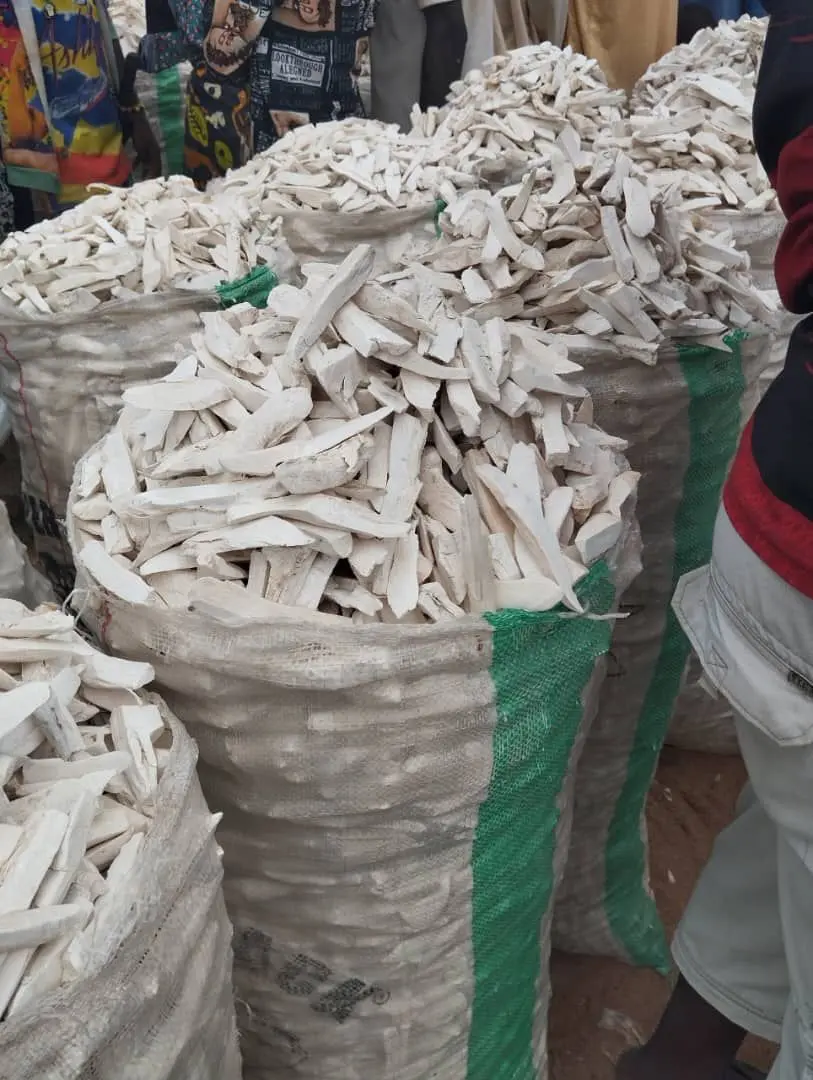
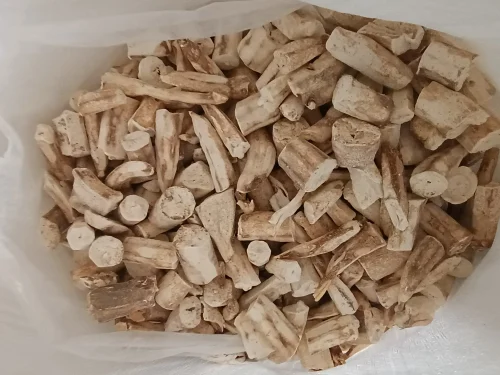
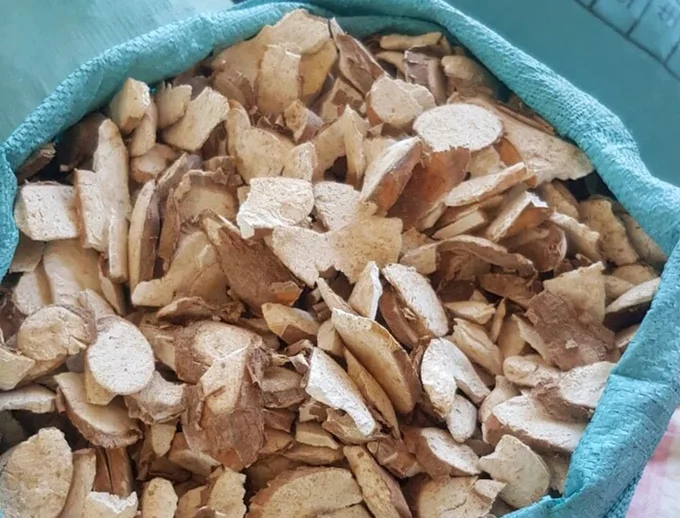
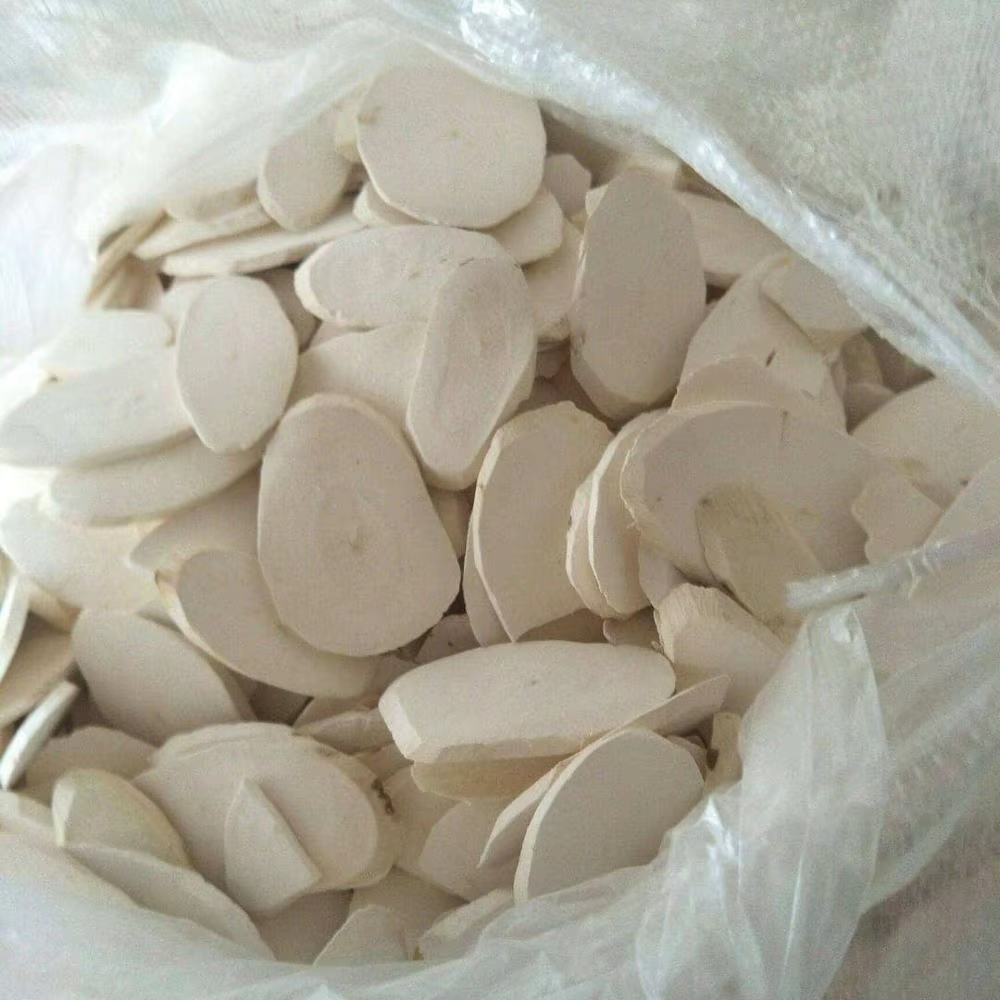
This product consists of mechanically sliced and sun-/oven-dried cassava tuber chips, standardized for industrial input. Primary use is as a high-energy carbohydrate source in animal feed compounding and as a fermentable substrate for bioethanol production. The key value proposition is stable starch content (≥70% dry basis) with low moisture and minimal foreign matter. Strategically, cassava chips provide price-stable, non-GM, and gluten-free alternative to cereal grains, reducing supply volatility in global feed and biofuel markets.
2. Key Specifications & Technical Characteristics
-
Starch content: ≥70% (dry basis)
-
Moisture: ≤13% (prevents mold and spoilage)
-
Fiber content: ≤5%
-
Protein: 2–3% (as-is)
-
Physical form: Irregular slices, thickness 2–5 mm, light cream to off-white
-
Foreign matter: ≤0.5% (sand, stones, metal)
-
Aflatoxin: <10 ppb (export-grade)
-
Packaging options: 25/50 kg PP woven bags, jumbo bags (1–1.5 MT), or bulk vessel loading
-
Shelf life: 12 months in dry, ventilated conditions (≤70% RH)
3. Core Industrial Applications
-
Animal feed manufacturing (swine, poultry, dairy): Replaces maize at 15–40% inclusion; improves pellet binding due to natural starch gelatinization.
-
Bioethanol production: Higher fermentable sugar yield per ton vs. raw cassava roots, reducing liquefaction time and enzyme costs by ~8%.
-
Industrial starch extraction: Dried chips allow year-round processing without root spoilage, unlike fresh cassava (which degrades in 48 hrs post-harvest).
-
Cost advantage: Lower shipping weight per starch unit (due to low moisture) vs. frozen or wet cassava, cutting freight costs by 18–22%.
4. Competitive Advantages
-
Quality consistency: Every lot tested for starch, moisture, aflatoxin, and foreign matter; COA provided.
-
Supply reliability: 12-month continuous availability from three sourcing origins (SE Asia, West Africa, South America) with buffer stock.
-
Logistics capability: Dedicated container loading and vessel booking for 20–50,000 MT shipments with fumigation-ready documentation.
-
Price competitiveness: Formula-linked pricing to Thai cassava benchmark plus volume discounts above 500 MT.
-
Sustainability: Solar-drying options reduce carbon footprint by 30% vs. mechanical drying; chips utilize cassava roots that would otherwise post-harvest spoil (waste reduction).
5. Commercial & Supply Information
-
Minimum Order Quantity (MOQ): 20 MT (one flexi-bag equivalent)
-
Loading capacity per 20’ container: 20–22 MT (depending on bag type)
-
Loading capacity per 40’ container: 24–26 MT
-
Bulk vessel loading capacity: 5,000 – 50,000 MT per shipment
Reviews
There are no reviews yet.