
Description
1. Key Specifications & Technical Characteristics
-
Chemical composition: Crude protein (min. 26%), crude fat (min. 8%), crude fiber (max. 10%), moisture (max. 12%), ash (max. 5%), phosphorus (min. 0.7%)
-
Purity grade: Feed-grade, non-GMO upon request; consistently low mycotoxins (aflatoxin <20 ppb, DON <5 ppm)
-
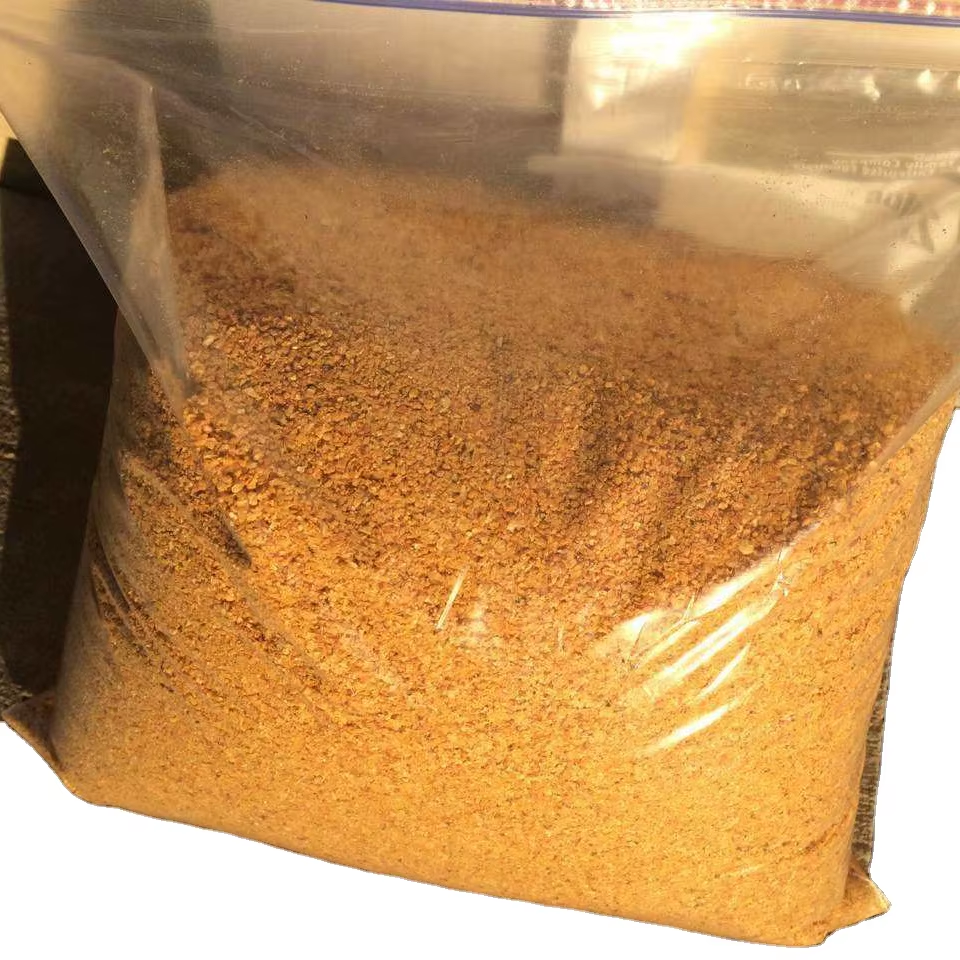
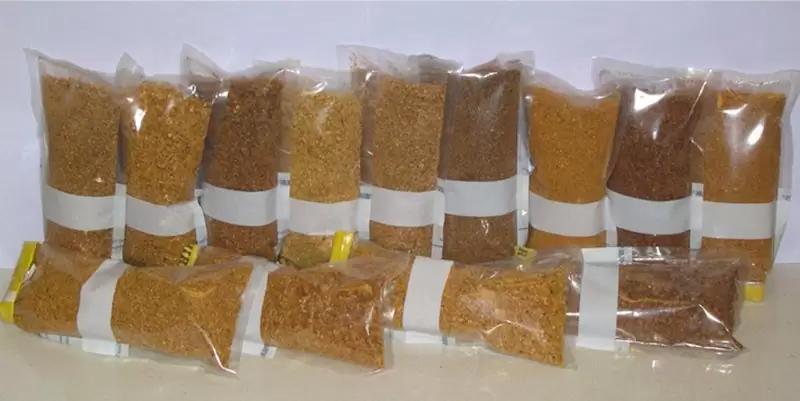
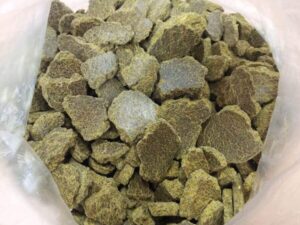
Physical characteristics: Free-flowing granular meal, golden to dark amber color, particle size 95% passing through 2mm sieve, bulk density 480–560 kg/m³
-
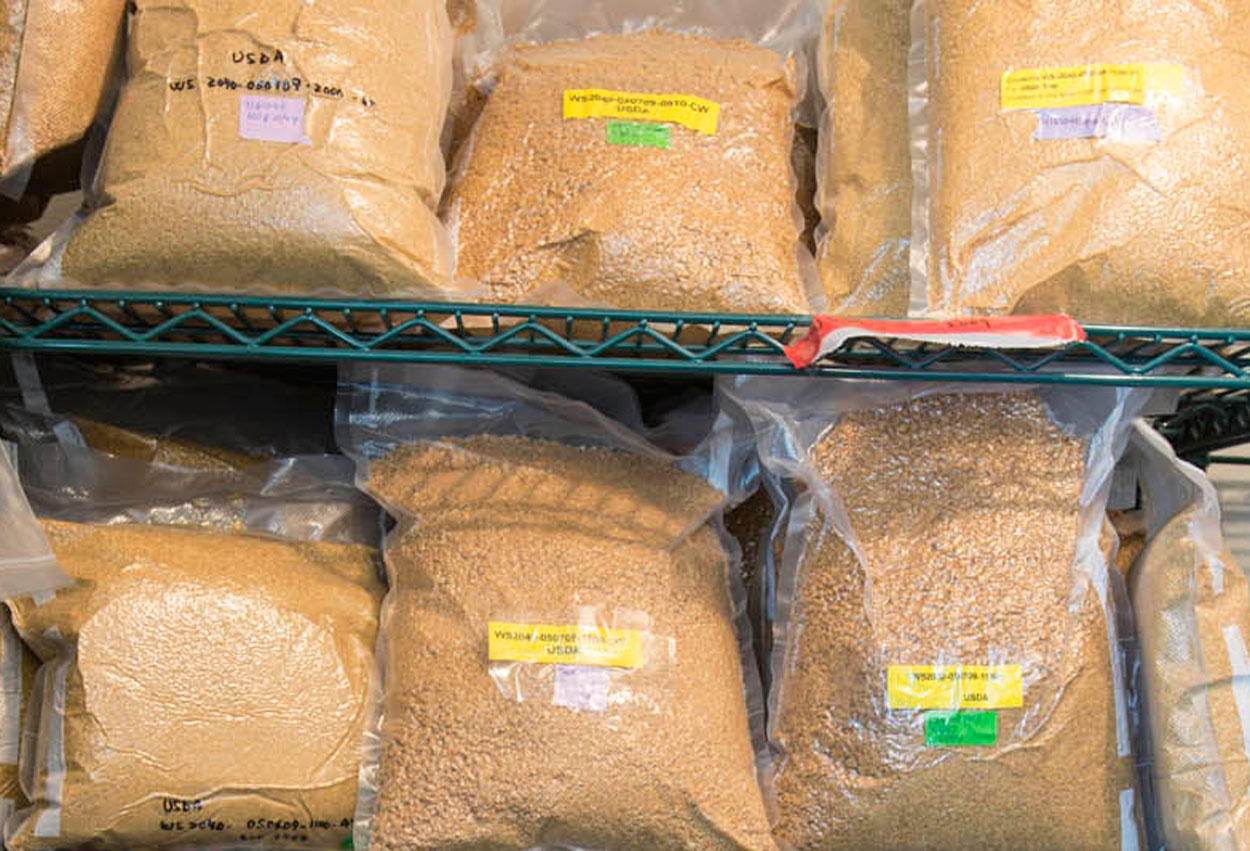
Packaging options: Bulk vessel (press-packed), 50kg woven poly bags, or 1.5MT jumbo bags with inner moisture barrier
-
Shelf life: 12 months when stored in cool (<25°C), dry (<65% RH), ventilated conditions; avoid direct sunlight
2. Core Industrial Applications
-
Primary industry: Ruminant feed manufacturing (dairy, beef, sheep, goats)
-
Specific use cases:
-
Dairy lactation diets (up to 30% inclusion rate) to boost milk yield and butterfat content
-
Beef finishing rations to enhance marbling and daily weight gain
-
Baseline protein source during forage shortages or price spikes
-
-
Performance advantage vs alternatives: Outperforms raw corn in bypass protein (+40%) and surpasses soybean meal in energy-to-cost ratio (30% cheaper per unit of metabolizable energy). Highly palatable, increases dry matter intake, and reduces dust compared to powdered protein supplements.
3. Competitive Advantages
-
Quality consistency: ISO 22000 & GMP+ certified; every lot tested for nutritional uniformity (CV <5% for protein/fat)
-
Supply reliability: Direct source from ethanol biorefineries with 24/7 offtake; 98% on-time dispatch record
-
Logistics capability: Bagging and bulk loading at inland terminals + CIF delivery to major ports (Rotterdam, Shanghai, Houston, Santos)
-
Price competitiveness: 12–15% below average regional DDGS spot price due to scale (250kt annual export volume)
-
Sustainability: Carbon footprint reduction (50% lower than corn grain on feed LCA); zero-waste production; eligible for green sourcing KPIs
-
Technical support: Full lab dossier per shipment; nutritionist-led formulation guidance; blockchain-enabled traceability
4. Commercial & Supply Information
-
Minimum Order Quantity (MOQ): 20 MT (single container)
-
Loading capacity per container:
-
20FT dry container: 22–24 MT
-
40FT dry container: 26–28 MT (bulk liner)
-
Bulk vessel (breakbulk): 3,000–12,000 MT per shipment
-
Reviews
There are no reviews yet.