
Description
1. Product Overview
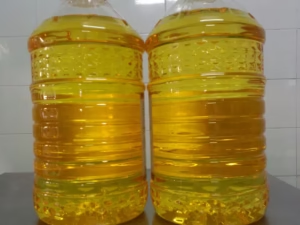
Refined Sunflower Oil (RBD) is a high-stability, neutral-taste vegetable oil produced through sequential degumming, neutralization, bleaching, and deodorization, delivering exceptional oxidative stability and a light culinary profile. It is primarily used as a bulk frying medium, ingredient base, and spray oil across global food manufacturing, snack production, and institutional foodservice sectors. Its strategic value lies in offering a cholesterol-free, vitamin E-rich alternative with a clean sensory profile—enabling manufacturers to extend product shelf life while meeting clean-label and heart-healthy positioning mandates.
2. Key Specifications & Technical Characteristics
-
Chemical composition: ≥99% triglycerides; free fatty acids (as oleic) ≤0.05%; peroxide value ≤1.0 meq O₂/kg; unsaponifiable matter ≤1.5%
-
Purity / Grade: RBD (Refined, Bleached, Deodorized) – edible grade, fully compliant with Codex Alimentarius and EU/US food standards
-
Physical characteristics:
-
Form: Liquid at room temperature (20–25°C)
-
Color: Lovibond 5¼” ≤1.5 red / ≤15 yellow
-
Density: 0.918–0.923 g/cm³ at 20°C
-
Smoke point: ≥232°C (450°F)
-
Iodine value (Wijs): 110–143
-
-
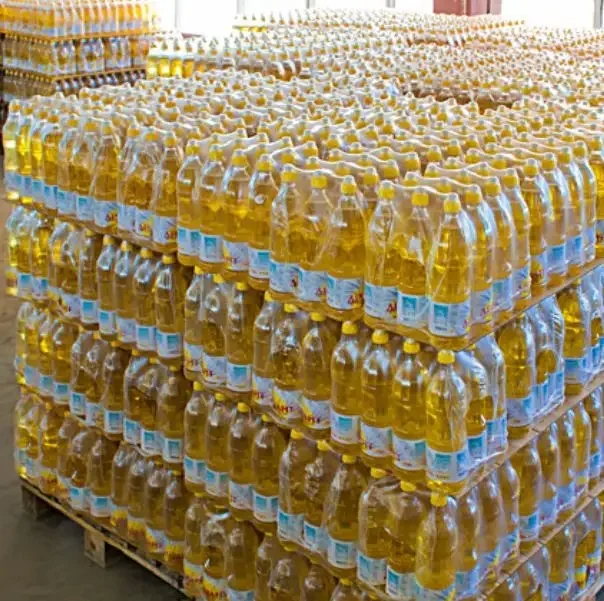
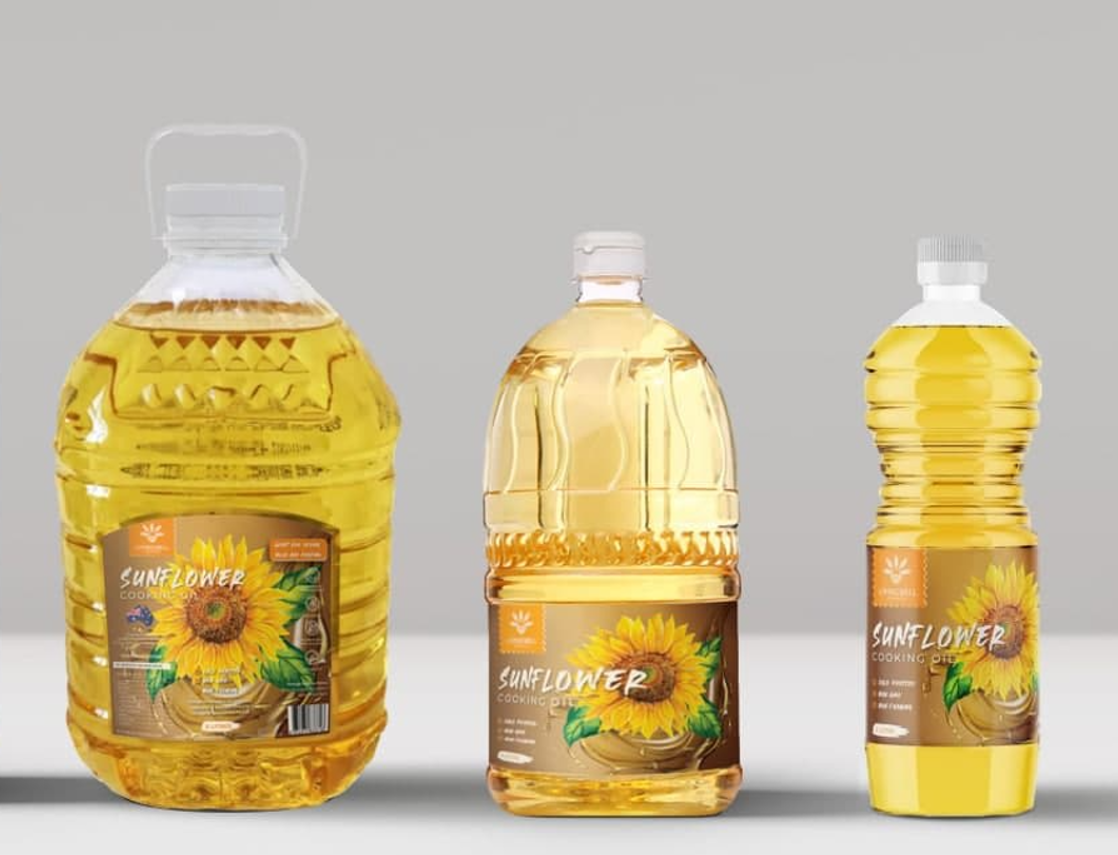
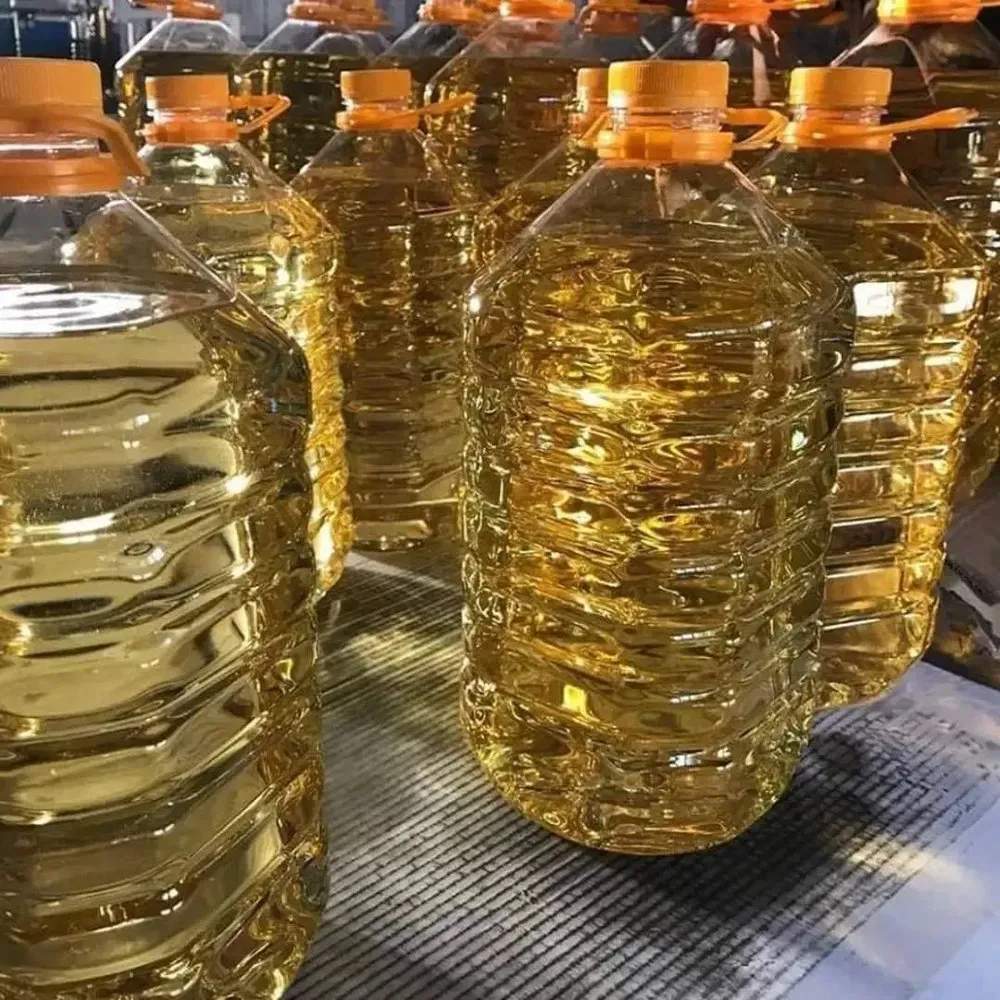
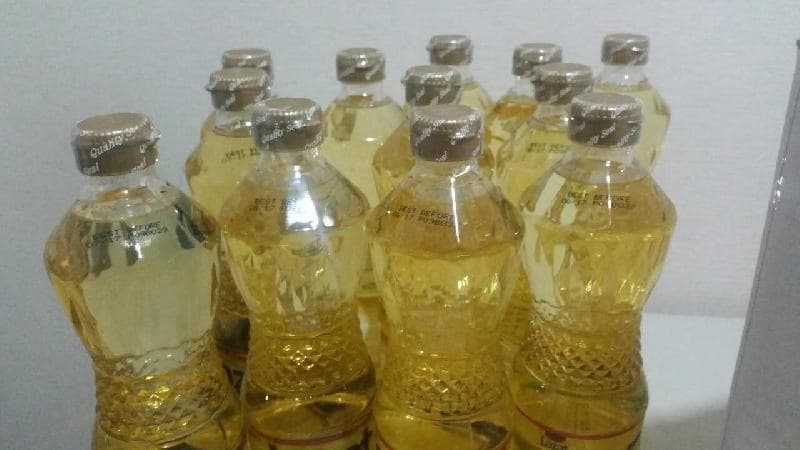
Packaging options: Flexitanks (20–24 MT), IBC totes (1,000 L), new food-grade PET bottles (1L–5L), steel drums (190 kg)
-
Shelf life: 18 months from production date when stored in sealed, dry, cool (≤25°C) conditions away from light
3. Core Industrial Applications
-
Snack food manufacturing (chips, extruded snacks): Performs superiorly due to high smoke point (>232°C) and low polymeric compound formation, reducing oil degradation and extending fryer life by 20–30% versus unrefined alternatives.
-
Bakery & confectionery (spray oils, emulsified shortenings): Neutral flavor profile prevents taste interference, while consistent viscosity ensures uniform coating and dough handling efficiency.
-
Industrial sauces & dressings: High oxidative stability delays rancidity, eliminating need for synthetic antioxidants in clean-label formulations.
-
Canned fish & vegetables (packing oil): Low free fatty acids prevent metallic off-notes and maintain product clarity, directly improving consumer perception and brand consistency.
-
Cost advantage: Lower pour point (≤−10°C) than palm olein in temperate climates reduces heating energy costs in bulk storage and transfer systems.
4. Competitive Advantages
-
Quality consistency: Each batch tested for FFA, PV, anisidine value, and fatty acid profile (high-oleic or linoleic variant available); full traceability from crush to container.
-
Supply reliability: Multi-origin sourcing (Ukraine, Russia, Argentina, Turkey, EU) with contract-backed buffer stocks; average lead time 14–21 days FOB.
-
Logistics capability: Dedicated filling lines for flexitanks and drums; temperature-controlled container booking available for summer shipments.
-
Price competitiveness: Direct mill relationships eliminate intermediary margins; forward-pricing contracts (3–12 months) with monthly or quarterly price adjustment formulas.
-
Sustainability & technical support: ISCC EU certified mass-balance options available; batch-specific COA, MSDS, and allergen/non-GMO declarations provided digitally within 24 hours.
5. Commercial & Supply Information
-
Minimum Order Quantity (MOQ): 20 metric tons (BULK flexitank or 1 FCL)
-
Loading capacity per 20′ container: Flexitank – 21–22 MT net (depending on density)
Per 40′ container: 42–44 MT (double flexitank or 80 drums of 190 kg each) -
Incoterms offered: FOB, CIF, CFR, EXW (origin-dependent)
-
Payment terms: LC at sight (standard), advance + BL copy, or LC 30–60 days for qualified buyers
Reviews
There are no reviews yet.