
Description
1. Product Overview
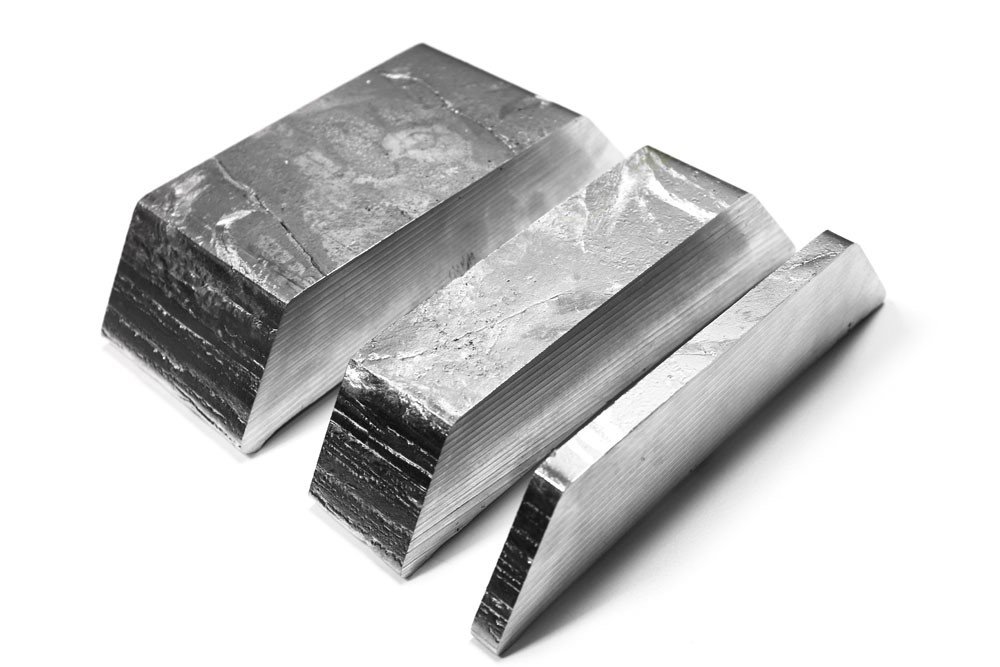
Refined Zinc Ingots are high-purity (99.995% min) non-ferrous metal slabs produced via electrolytic refining. They are primarily used for hot-dip galvanizing of steel, die-casting alloys, and brass production. The key value proposition is superior corrosion resistance, consistent melt performance, and low impurity-driven waste. As a critical material in construction, automotive, and infrastructure, securing reliable zinc ingot supply directly impacts downstream production uptime and finished product longevity.
2. Key Specifications & Technical Characteristics
-
Chemical composition: Zn 99.995% min; Pb ≤0.003%; Cd ≤0.002%; Fe ≤0.002%; Cu ≤0.001%; Sn ≤0.001%
-
Purity grade: Special High Grade (SHG) per LME specification
-
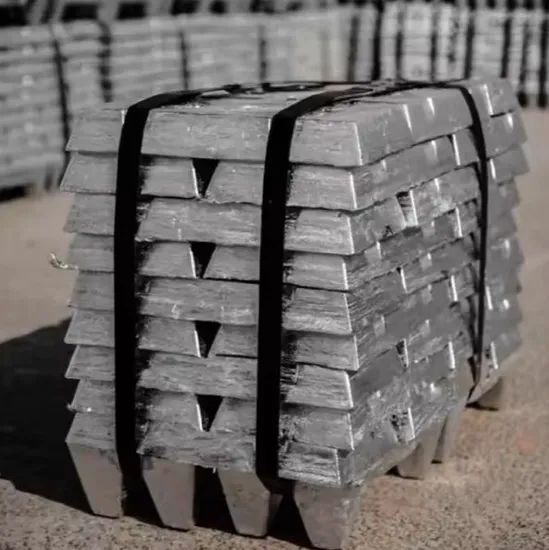
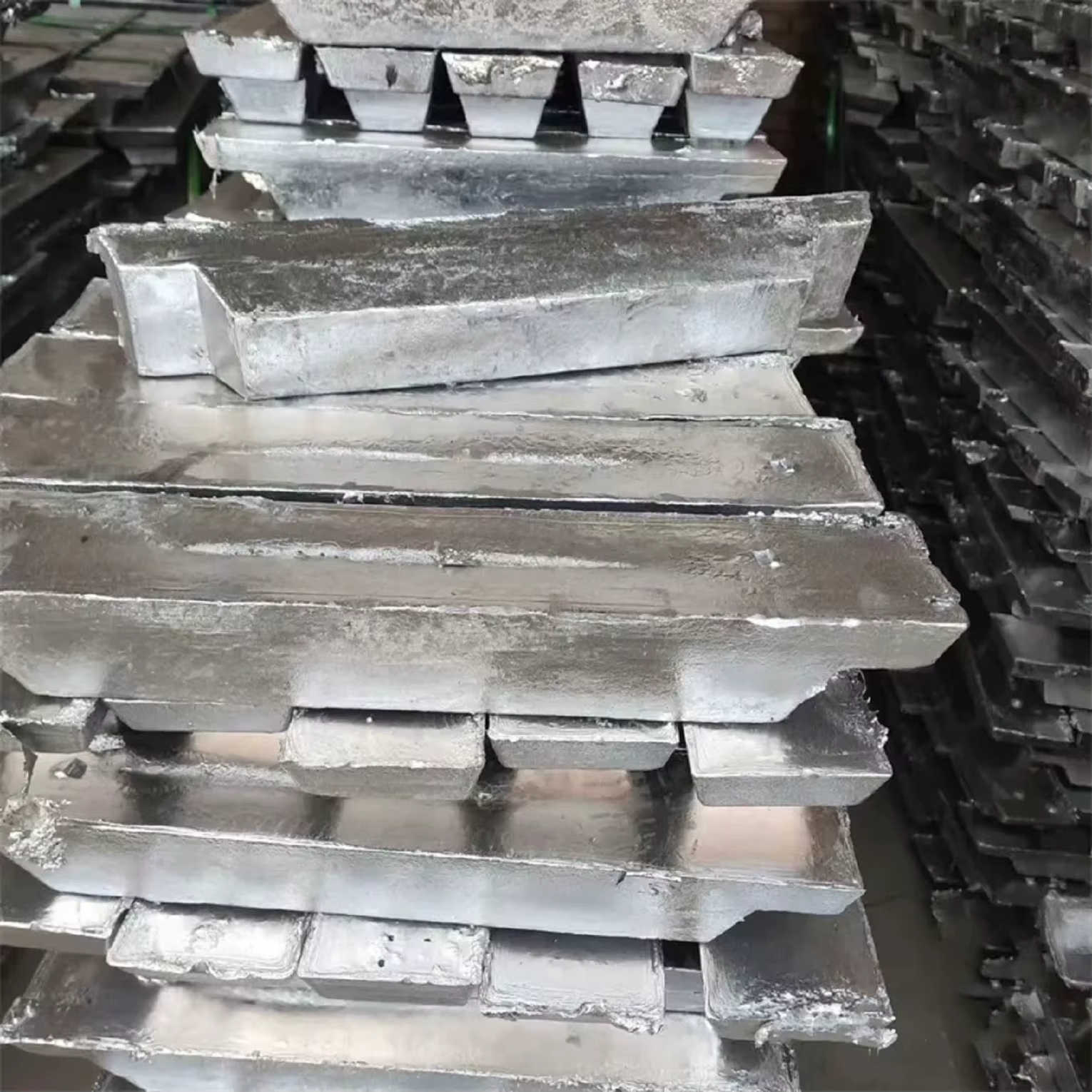
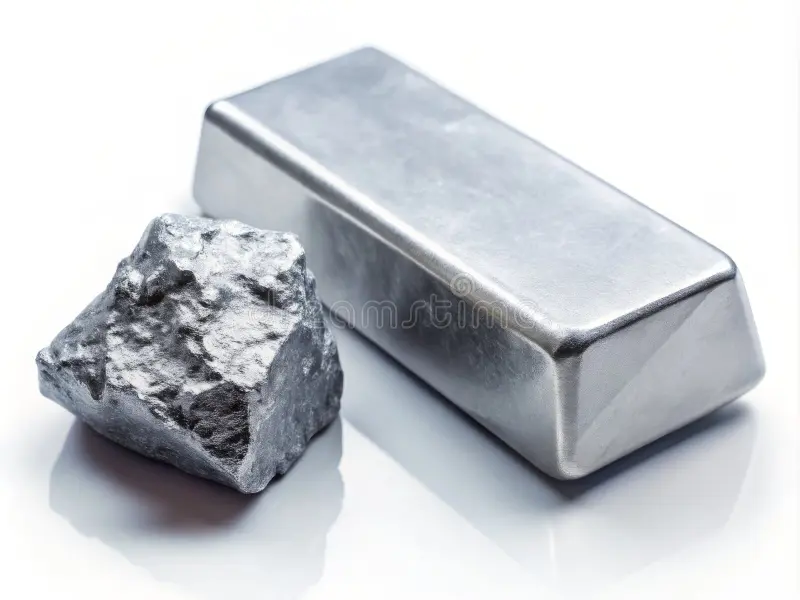
Physical characteristics: Silver-gray metallic luster; 8–12 kg standard trapezoidal ingot dimensions (480×240×40 mm); density 7.14 g/cm³
-
Packaging options: 1–1.2 MT steel-strapped pallets or jumbo bags; 20–25 MT per 20’ container; heat-sealed anti-oxidation film available for long-haul海运
-
Shelf life: Indefinite under dry, covered storage (≤2% surface oxidation after 12 months if improperly stored)
3. Core Industrial Applications
-
Hot-dip galvanizing (steel construction, automotive frames, transmission towers): Lower dross formation (≤3% waste reduction vs. standard grade) cuts rework and zinc consumption by 5–7%.
-
Die-casting alloys (auto parts, hardware, electronics housings): High fluidity and exact composition enable thinner walls (0.5 mm) and 40% faster cycle times.
-
Brass & bronze production (valves, fittings, musical instruments): Ultra-low lead/cadmium meets RoHS and EU drinking water directives without downstream refining.
-
Chemical applications (zinc oxide, sulfate): Consistent purity yields predictable reaction rates, reducing batch rejection by 12–15%.
4. Competitive Advantages
Reviews
There are no reviews yet.