
Description
1. Product Overview
Refined Nickel (99%+ min) is a high-purity, fully alloyed base metal produced via advanced electro-winning or carbonyl refining processes. Its primary industrial use lies in stainless steel and specialty alloy manufacturing, battery cathode precursors (NMC/NCA), and high-temperature corrosion-resistant coatings. The key value proposition is exceptional chemical consistency, ultra-low impurity profiles (particularly for sulfur, iron, and cobalt), and predictable electro-chemical performance. In a market increasingly defined by EV supply chains and high-grade austenitic steel demand, this material serves as a strategic bottleneck input—enabling customers to achieve tighter production tolerances and higher final-product yield.
2. Key Specifications & Technical Characteristics
-
Chemical composition: Ni 99.0% min; typical 99.2–99.6%; impurities controlled: Fe ≤ 0.08%, Co ≤ 0.05%, Cu ≤ 0.02%, C ≤ 0.03%, S ≤ 0.005%, P ≤ 0.002%
-
Purity / Grade: LME Grade A equivalent; non-prime primary nickel (suitable for melting, alloying, and plating)
-
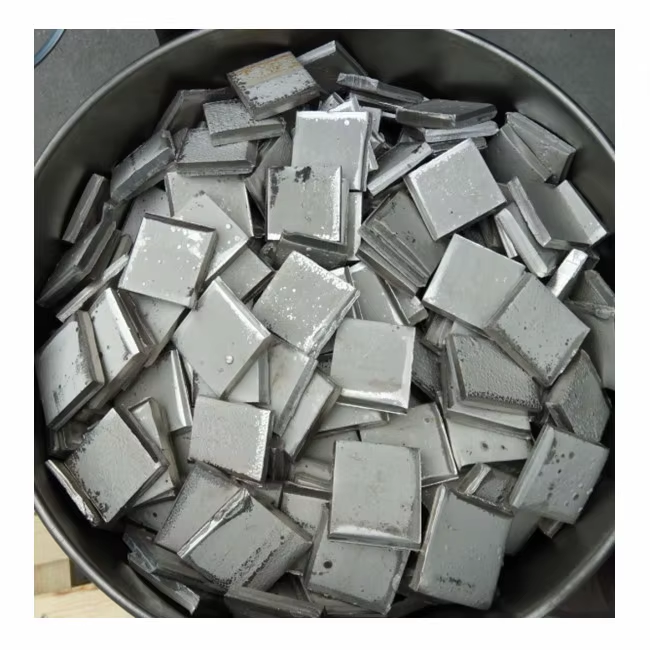
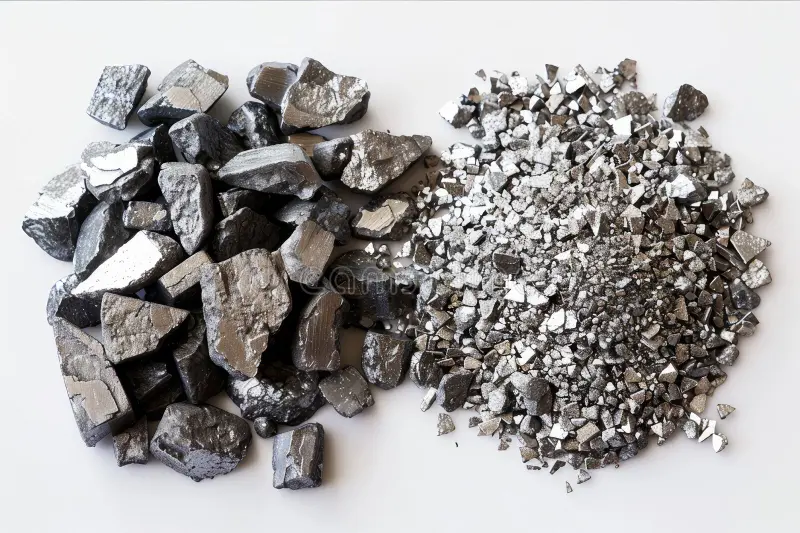
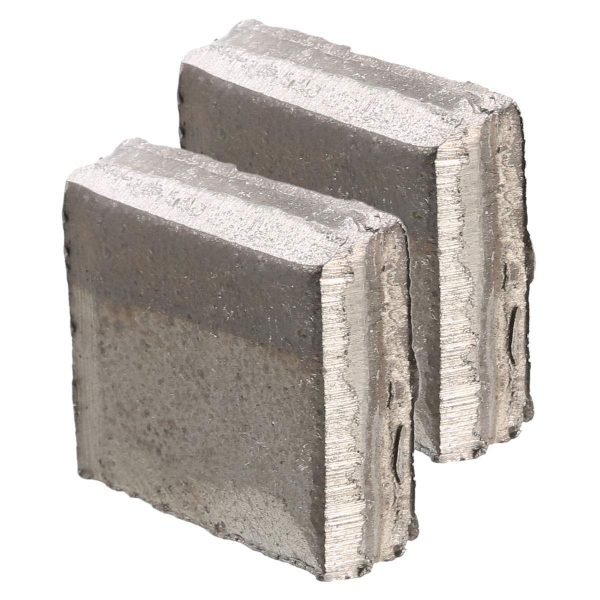
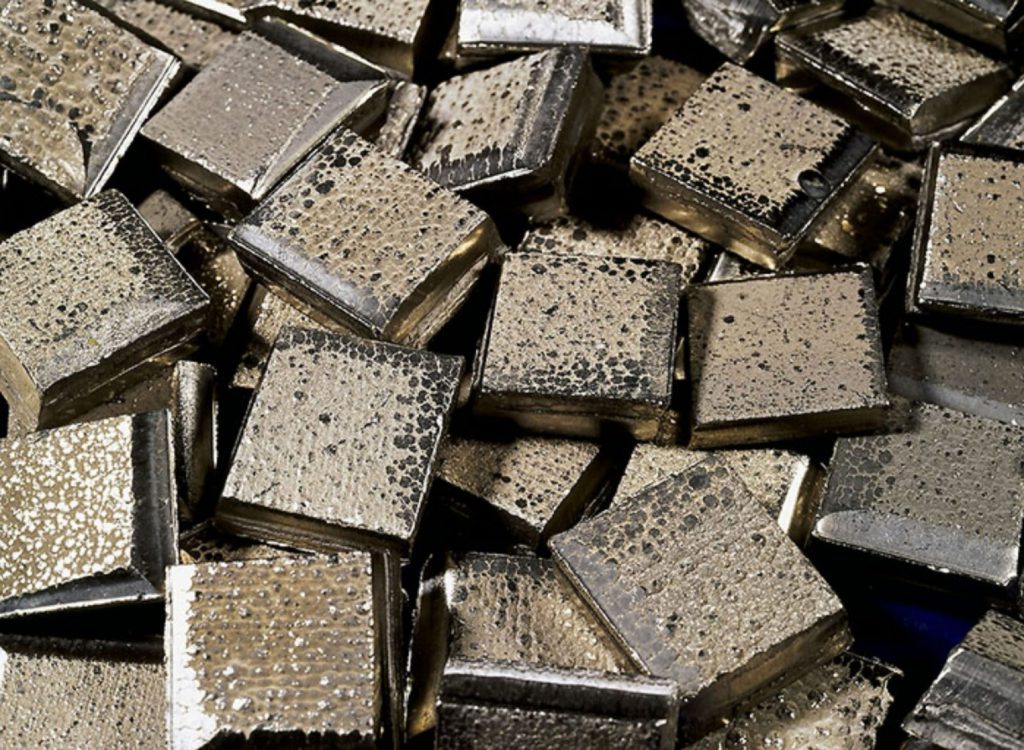
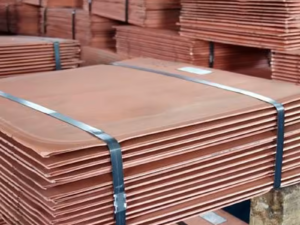
Physical characteristics: Electrolytic cathodes (cut squares / full plates) or briquettes / rondelles; color: silver-bright metallic; particle size: 10–50 mm (cathode chips) or 3–15 mm (nickel crowns)
-
Density: 8.9 g/cm³ (true); bulk density approx. 3.5–4.2 t/m³ (depending on form)
-
Packaging options: 1 MT steel-banded pallets; 500 kg drummed boxes; bulk container liner (15–20 MT per 20’ container)
-
Shelf life: Indefinite under dry, indoor storage (no oxidation risk beyond superficial tarnish)
3. Core Industrial Applications
-
Stainless steel (300 series – austenitic): Used as a primary austenite stabilizer and corrosion resistance enhancer. Outperforms lower-purity ferronickel or nickel pig iron by reducing slag formation, lowering rework rates, and improving surface finish on cold-rolled coil.
-
Battery cathode active materials (NMC 811, 622): Dissolved into nickel sulfate for precursor synthesis. Our 99%+ refined nickel provides tighter batch-to-batch consistency in metal ion concentration, directly improving battery cycle life and reducing costly downstream filtration steps.
-
High-temperature alloys (Inconel, Hastelloy, Monel): Critical for creep strength and oxidation resistance up to 1100°C. Superior purity minimizes micro-segregation during vacuum induction melting (VIM), a key advantage over secondary nickel sources.
-
Electroplating (sulfamate and Watt’s baths): Nickel crowns (S-rounds) allow uniform dissolution and fewer in-process anode changes, reducing downtime by ~15% vs. standard electrolytic squares.
4. Competitive Advantages
-
Quality consistency: Statistical process control (SPC) on every production lot; typical Cpk > 1.33 for all major impurity elements — certified with LME/SGS CoA.
-
Supply reliability: Dual-feed from primary refining (hydromet + electrolytic) and near-prime remelting; on-hand buffer stock across Rotterdam, Busan, and Houston hubs.
-
Logistics capability: Door-to-door delivery with barge, rail, and containerized shipping; demurrage risk mitigation via bonded warehousing adjacent to major industrial zones.
-
Price competitiveness: Long-term fixed-price contracts + index-linked LME-based pricing with +/- $50/MT premium to cash settlement; volume discounts transparently tiered.
-
Sustainability & documentation: Low-carbon certification (Scope 1+2 ≤ 8 t CO₂e / t Ni); full traceability from mine to gate; available with responsible sourcing declarations (OECD alignment).
-
Technical support: In-house metallurgy team to validate melt recipes, dissolution rates, and final alloy mechanical properties — typically responding <24h for B2B inquiries.
5. Commercial & Supply Information
-
Minimum order quantity (MOQ): BULK 20 MT (one standard lot for LME delivery or contract fulfillment)
-
Loading capacity (MT per container):
-
20 ft dry container: 20–22 MT (bulk liner or palletized)
-
40 ft HC container: 22–24 MT (weight-limited, not volume-limited)
-
Break-bulk vessel: ≥ 200 MT per hold
-
Reviews
There are no reviews yet.