
Description
1. Product Overview
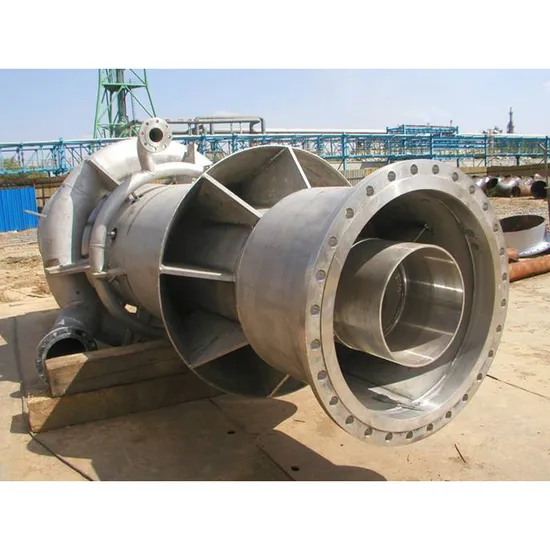
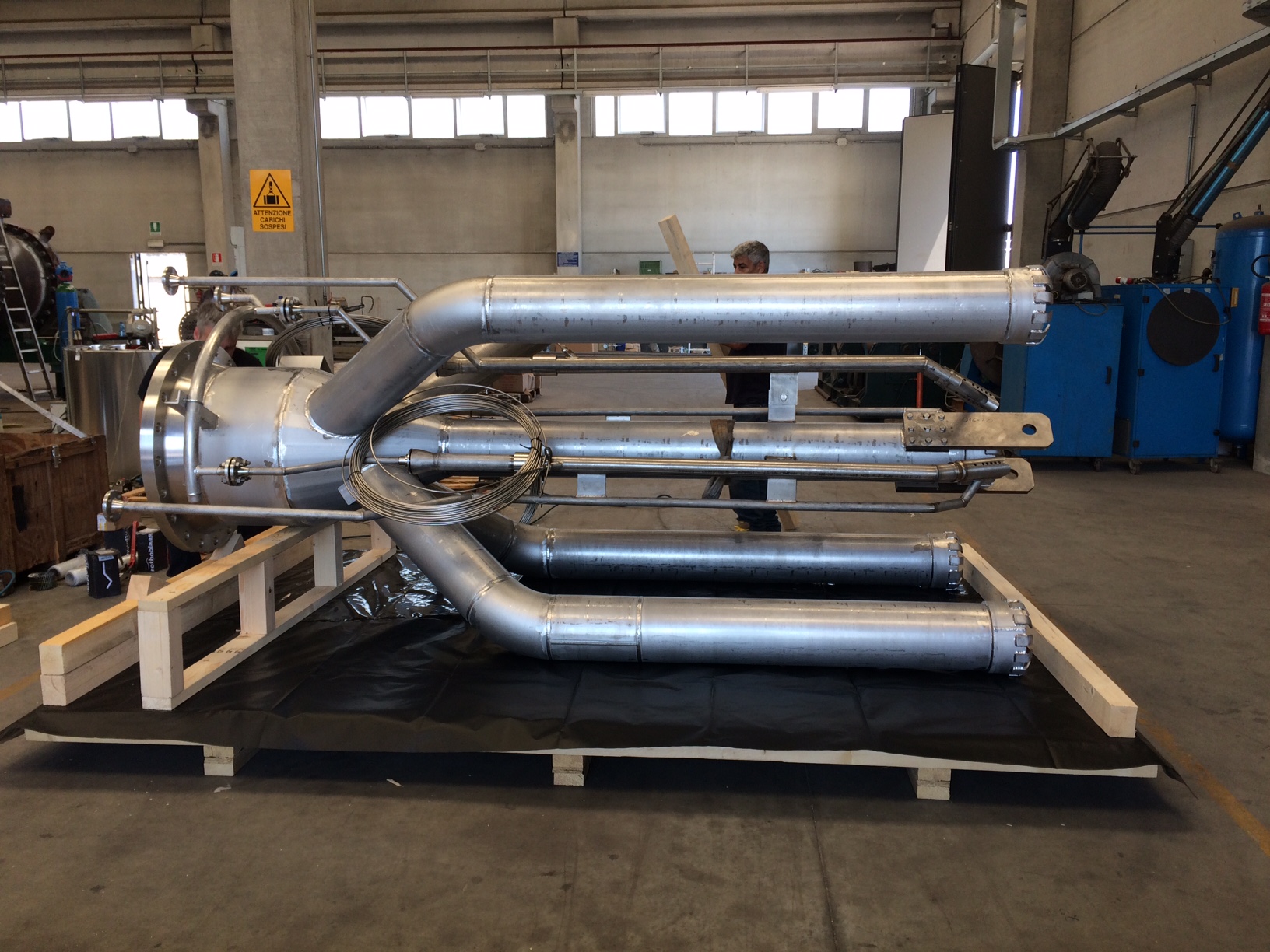
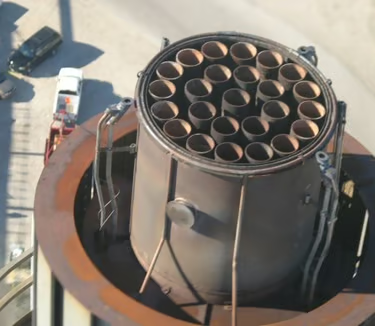
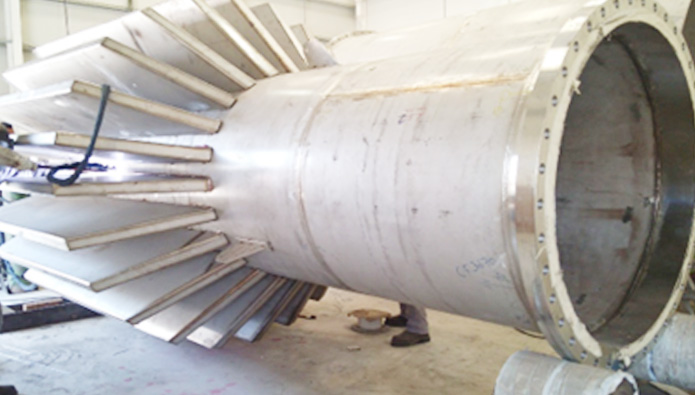
This high-performance refractory material is engineered specifically for flare tip applications in upstream, midstream, and refining assets, providing exceptional thermal shock resistance and corrosion protection in extreme high-temperature, sour-gas environments. Its primary industrial use is to extend flare tip service life by resisting flame impingement, thermal cycling, and hydrogen sulfide attack—critical failure points in conventional metallurgy. The key value proposition is a measurable reduction in unplanned flaring downtime and replacement frequency, delivering a lower total cost of ownership (TCO) for flare systems. Strategically, this material is vital for operators seeking to improve operational reliability, comply with environmental uptime regulations, and reduce maintenance capex in high-availability assets.
2. Key Specifications & Technical Characteristics
-
Chemical Composition: High-purity alumina-silica matrix (Al₂O₃ 60–85%, SiO₂ 15–35%) with proprietary chrome-oxide or spinel phase for enhanced slag/acid gas resistance; phosphate-bonded formulation available for rapid setting
-
Purity Level: Al₂O₃ ≥60% (standard) / ≥85% (premium grade); Fe₂O₃ <1.0%; alkali content <0.5%
-
Physical Characteristics: Lumps, precast shapes, or ramming mass; color varies off-white to dark gray; bulk density 2.4–2.9 g/cm³; apparent porosity 12–18% (low permeability design to prevent H₂S ingress)
-
Particle Size: Maximum aggregate size 5 mm (standard shapes) or custom grading (0–3 mm for ramming mixes)
-
Packaging Options: 25 kg moisture-resistant paper bags on shrink-wrapped pallets; 1 MT big bags; steel drums for offshore logistics
-
Shelf Life: 12 months when stored in dry, covered conditions at 5–35°C (original unopened packaging)
3. Core Industrial Applications
-
Primary Industries: Oil & gas (onshore/offshore upstream), petroleum refining, petrochemical cracking, LNG liquefaction terminals, and steel plant flare stack systems
-
Operational Use Cases: Lining of flare tips, high-temperature zone repair, replacement of eroded metallic tips in sour service (H₂S + steam), and flame retention device protection
-
Performance Advantage over Alternatives: Outlasts Inconel® and Hastelloy® in sulfur-containing flames by 2–3x due to sacrificial ceramic surface that spalls minimally rather than melting or sulfidizing
-
Efficiency & Durability: Reduces annual flare tip replacements from 2–3 cycles to 1 cycle in most high-acid-gas environments; maintains structural integrity at 1,400°C continuous / 1,650°C peak; lowers forced shutdown frequency by ≈40%
4. Competitive Advantages
-
Quality Consistency: ISO 9001:2025 certified batch control; each lot tested for cold crushing strength (≥35 MPa), thermal shock resistance (ASTM C1171), and H₂S corrosion weight loss (<3% after 100h)
-
Supply Reliability: Dual-source raw material strategy with 6-month rolling capacity buffer; typical lead time 4 weeks ARO globally
-
Logistics Capability: Export-worthy packaging and dangerous goods documentation ready; direct container loading from three regional hubs (Americas, EMEA, Asia-Pacific)
-
Price Competitiveness: 15–20% lower landed cost vs. European premium castables, with no compromise on alumina purity or thermal cycling life
-
Sustainability: Low-cement formulation reduces CO₂ per ton by ~18%; spent material can be recycled into non-critical refractory aggregates
-
Technical Support: Full installation guides, refractory dry-out schedules, and on-call failure analysis by certified engineers included
5. Commercial & Supply Information
-
Minimum Order Quantity (MOQ): 20 metric tons (MT) per product grade
-
BULK 20MT Loading Capacity: 20 MT fits in one standard 20-foot dry container (palletized, approx. 22–24 pallets depending on bag type)
-
Note: Larger orders (≥100 MT) qualify for dedicated vessel booking and volume pricing; custom precast shapes require separate mold agreement

Reviews
There are no reviews yet.